


Listen to the article
Federal Government Resumes Funding for Manhattan’s Second Avenue Subway After Legal Battle
The Trump administration has agreed to resume funding for a major Manhattan subway expansion project after New York officials took legal action to unfreeze essential federal dollars. The announcement, made Thursday in a federal court filing, ends a contentious seven-month standoff over the Second Avenue subway line.
According to the U.S. Department of Transportation filing, officials have completed their review of the project and will restart reimbursements to state transit authorities for ongoing construction costs. The agreement unfreezes approximately $60 million that had been withheld during the review period.
“It shouldn’t have taken seven months and a lawsuit to get here,” said Janno Lieber, CEO of the Metropolitan Transportation Authority (MTA), in a statement celebrating the decision. Lieber characterized the development as bringing “long-awaited transit justice” to neighborhoods in upper Manhattan.
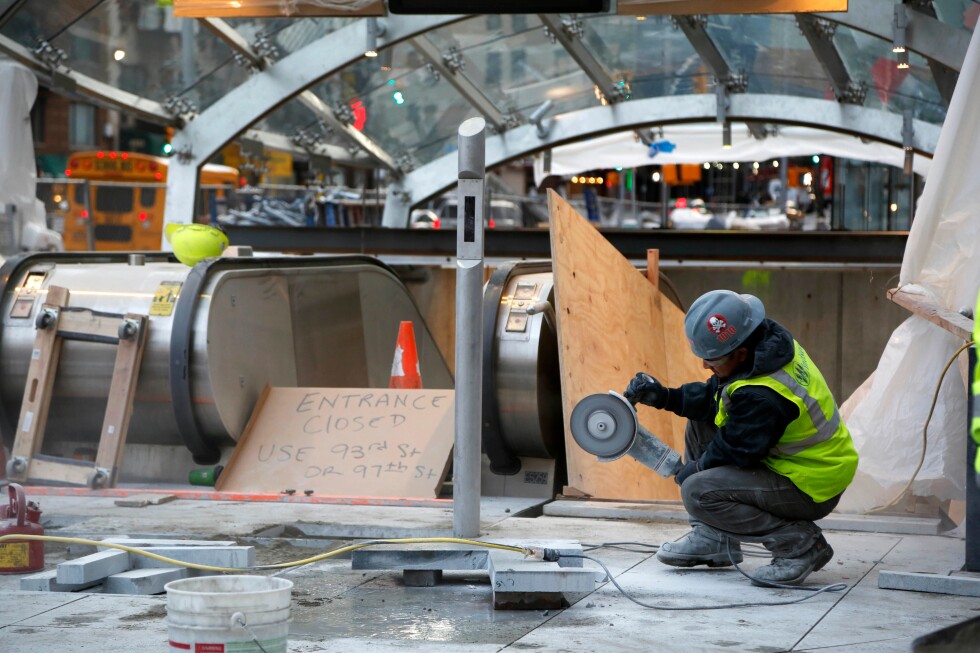
The Second Avenue subway expansion represents one of New York City’s most significant transit infrastructure projects in decades. The ongoing construction extends subway service northward along Manhattan’s Upper East Side into parts of Harlem that have historically lacked adequate public transportation options. The project carries an estimated price tag of $7.7 billion, with the federal government responsible for approximately $3.4 billion of those costs.
The funding dispute centered on disagreements over diversity, equity, and inclusion (DEI) initiatives within the project. In its statement, the Department of Transportation maintained that the agreement ensures taxpayers’ “hard-earned dollars will not fund unconstitutional DEI initiatives,” arguing that such principles have led to increased costs on federal projects.
Later Thursday, Lieber pushed back against this characterization when addressing reporters, calling the entire dispute “an unnecessary waste of the public’s time and money.” He explained that the MTA had already been complying with the administration’s new rules regarding minority and women-owned businesses in federal projects.
“The whole point was they sent us a letter saying we didn’t make the standards of the new rules before they even issued the new rules,” Lieber said. “It was just a bunch of gamesmanship.”
The Second Avenue subway funding freeze was not an isolated incident but part of a broader pattern of transportation conflicts between the Trump administration and Democratic-led states in the Northeast. In October, the administration also halted billions in funding for a critical new rail tunnel between New York and New Jersey under the Hudson River. That dispute was similarly resolved through court action when a federal judge ordered officials to resume payments for the tunnel project in February.
The administration has also clashed with New York over the state’s congestion pricing plan. Last year, the Department of Transportation rescinded approval for New York’s first-in-the-nation congestion fee, which would impose a $9 toll on drivers entering Manhattan’s busiest areas. The agency threatened to pull funding if the state proceeded with the plan. However, a federal judge ruled last month that the agency lacked the authority to unilaterally withdraw its earlier approval.
Transportation infrastructure has become increasingly politicized in recent years, with projects in densely populated urban centers often caught in the crossfire of partisan disputes. The Second Avenue subway project, which aims to alleviate overcrowding on Manhattan’s Lexington Avenue line (the nation’s busiest), has already faced numerous delays and funding challenges since its inception.
For residents of East Harlem and other underserved areas awaiting improved transit options, the resumption of federal funding represents a significant step toward completing infrastructure that has been decades in the making. Transit advocates have long argued that the project is essential not only for reducing commute times but also for promoting economic development in communities that have historically faced transportation barriers.
Fact Checker
Verify the accuracy of this article using The Disinformation Commission analysis and real-time sources.

9 Comments
The Second Avenue subway has been in the works for decades, so it’s good to see the federal government finally committing the necessary funding to move it forward. Reliable subway service is a key aspect of New York’s infrastructure that needs continuous investment and improvement.
I’m a bit skeptical about the Trump administration’s motives here. Hopefully this isn’t just political posturing, and the funding will be used efficiently to complete the project. Reliable public transit is a major quality-of-life issue for New Yorkers.
That’s a fair point. Infrastructure projects can often get tangled up in political agendas. The key is ensuring the funding is used responsibly to deliver tangible benefits for commuters.
This is great news for Manhattan residents who rely on the subway system. A modern, expanded Second Avenue line will ease congestion and improve connectivity throughout the borough. I’m curious to see the timeline for completing the remaining construction.
Agreed, completing this project as soon as possible should be the priority. Efficient public transit is crucial for the economic and social well-being of a dense urban center like New York City.
Interesting to see the federal government resume funding for this major subway project in Manhattan. It’s an important infrastructure investment that will benefit many commuters. I’m curious to learn more about the legal battle and review process that led to the delay.
Agreed, infrastructure projects like this can be complex and politically charged. I’m glad the funding has been restored so construction can continue without further disruption.
The Second Avenue subway expansion is a big deal for New York City. Improving public transit connectivity is crucial for a dense urban area like Manhattan. I’m glad the legal dispute has been resolved so this project can move forward.
Absolutely, reliable subway service is essential for relieving congestion and providing access to jobs and services. This investment in urban infrastructure will pay dividends for the city in the long run.