


Listen to the article
Screenwriters Union Overwhelmingly Approves New Contract with Studios
In a dramatic shift from last year’s prolonged industry standoff, members of the Writers Guild of America have voted overwhelmingly to ratify a new four-year agreement with Hollywood studios and streaming platforms. The contract received 90% approval from union members, bringing a harmonious conclusion to negotiations that paralyzed the entertainment industry just months ago.
The swift resolution stands in stark contrast to 2023’s contentious battle that led to one of Hollywood’s most disruptive strikes in recent memory. This time, negotiators reached a tentative agreement on April 4, barely three weeks after talks began between the Writers Guild of America (WGA) and the Alliance of Motion Picture and Television Producers (AMPTP).
“In the face of industry contraction and runaway health care cost inflation, writers were able to secure a contract that returns our Health Fund to a sustainable path and builds on gains from the 2023 strike,” said WGA West President Michele Mulroney in a statement announcing the ratification results.
The improved healthcare provisions represent a significant win for writers in an industry increasingly shaped by uncertainty. Recent years have seen major studios implementing cost-cutting measures, with layoffs affecting thousands of workers across the entertainment sector. The pandemic accelerated structural changes already underway as streaming platforms continued to disrupt traditional television and film models.
Beyond healthcare, the new contract secures minimum pay increases, with particular attention to comedy and variety writers who have historically faced unique compensation challenges. The deal also enhances residual payments – the ongoing compensation writers receive when their work is reused or distributed on different platforms.
The AMPTP, representing major studios and streamers including Netflix, Disney, Warner Bros. Discovery, and NBCUniversal, expressed satisfaction with the agreement. “This deal reflects a collaborative approach that supports both writers and the industry’s long-term stability,” the group stated.
Industry analysts suggest the relatively smooth negotiations indicate studios were eager to avoid another production shutdown after last year’s dual strikes cost the California economy an estimated $5 billion. The 2023 work stoppage lasted nearly five months, delaying countless productions and leaving thousands of industry workers without income.
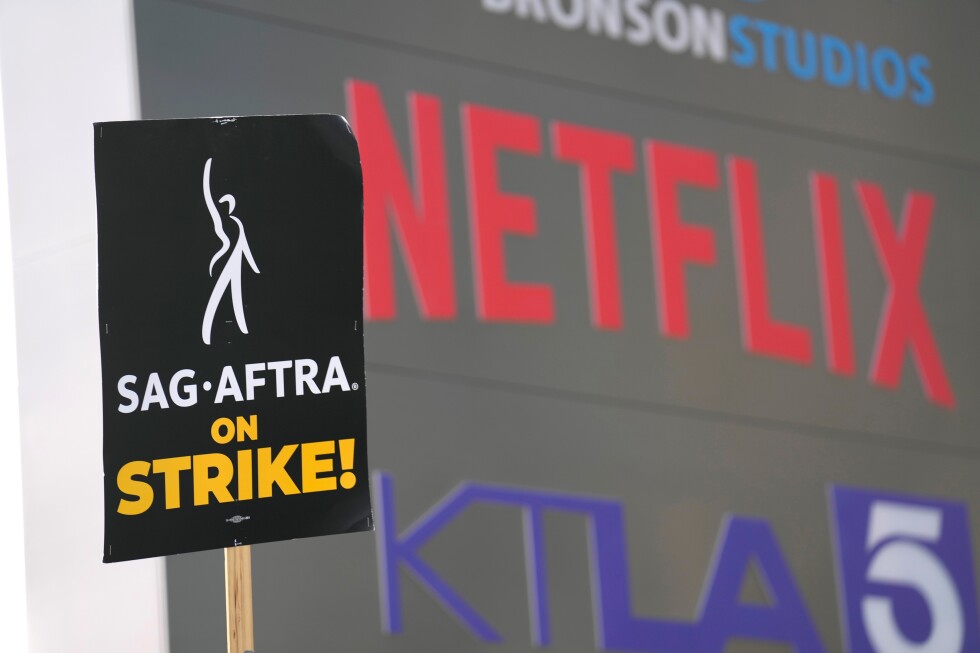
With the writers’ contract resolved, Hollywood’s focus now shifts to ongoing negotiations with actors represented by SAG-AFTRA. Those talks began approximately a month ago and are scheduled to resume Monday following a brief pause. The actors’ strike last year lasted 118 days, compounding the industry-wide shutdown.
SAG-AFTRA President Sean Astin has expressed cautious optimism about the current negotiating climate. In a February interview with The Associated Press, Astin noted seeing indications that studios want “to work as partners again” – a potentially encouraging sign for the 160,000 performers his union represents.
The Directors Guild of America is next in line, with its contract negotiations set to begin May 11. Traditionally, the DGA has maintained less contentious relationships with studios than other entertainment unions.
Despite the positive outcome with writers, labor challenges remain within the Guild itself. Earlier this year, the WGA faced internal labor strife when its own staff went on strike, forcing the cancellation of the union’s annual awards ceremony in March.
The sequential pattern of labor negotiations in Hollywood typically establishes precedents that influence subsequent agreements. The writers’ successful contract may provide a framework for actors and directors to secure similar gains in healthcare, compensation, and protections against emerging technologies like artificial intelligence – a key concern across all creative guilds.
For an industry still recovering from pandemic disruptions and adapting to fundamental business model changes, the peaceful resolution with writers represents a welcome return to stability as production schedules begin normalizing across film and television.
Fact Checker
Verify the accuracy of this article using The Disinformation Commission analysis and real-time sources.

33 Comments
Interesting update on Screenwriters union ratifies 4-year agreement with Hollywood studios. Curious how the grades will trend next quarter.
Good point. Watching costs and grades closely.
Good point. Watching costs and grades closely.
I like the balance sheet here—less leverage than peers.
Good point. Watching costs and grades closely.
Good point. Watching costs and grades closely.
Silver leverage is strong here; beta cuts both ways though.
Good point. Watching costs and grades closely.
Interesting update on Screenwriters union ratifies 4-year agreement with Hollywood studios. Curious how the grades will trend next quarter.
Good point. Watching costs and grades closely.
If AISC keeps dropping, this becomes investable for me.
Good point. Watching costs and grades closely.
The cost guidance is better than expected. If they deliver, the stock could rerate.
Good point. Watching costs and grades closely.
Production mix shifting toward Business might help margins if metals stay firm.
Good point. Watching costs and grades closely.
Good point. Watching costs and grades closely.
I like the balance sheet here—less leverage than peers.
Good point. Watching costs and grades closely.
Good point. Watching costs and grades closely.
The cost guidance is better than expected. If they deliver, the stock could rerate.
Nice to see insider buying—usually a good signal in this space.
Production mix shifting toward Business might help margins if metals stay firm.
If AISC keeps dropping, this becomes investable for me.
Good point. Watching costs and grades closely.
Good point. Watching costs and grades closely.
I like the balance sheet here—less leverage than peers.
Good point. Watching costs and grades closely.
Good point. Watching costs and grades closely.
Production mix shifting toward Business might help margins if metals stay firm.
Good point. Watching costs and grades closely.
Uranium names keep pushing higher—supply still tight into 2026.
Good point. Watching costs and grades closely.