


Listen to the article
Maine Governor Vetoes First-of-its-Kind State Data Center Moratorium
Maine Governor Janet Mills has vetoed legislation that would have established the nation’s first statewide moratorium on large-scale data center construction, citing concerns about blocking a crucial economic development project in a community struggling with unemployment.
The Democratic-controlled state legislature had passed the bill to pause construction of data centers above a certain size for more than a year and create a special council to help municipalities evaluate potential projects. However, Mills expressed concern that the legislation failed to include an exemption for a proposed data center in Jay, a town still reeling from the closure of a local paper mill.
“While I believe it necessary and important to examine and plan for the potential impacts of large-scale data centers in Maine, particularly as artificial intelligence becomes more widespread, this specific project could bring much-needed jobs to a community facing economic hardship,” Mills said in her veto statement.
The governor announced plans to issue an executive order creating a council to study data center impacts, saying, “Given the serious conversations about data centers here and around the country, I believe this work should commence without delay.”
Maine’s rejected legislation represents the most successful attempt yet at implementing statewide restrictions on data center development. Similar proposals have been introduced in at least a dozen other states, but none had advanced beyond initial legislative stages. These efforts have consistently faced strong opposition from a coalition of interests including data center developers, chambers of commerce, technology companies, labor unions, and electric utilities.
The veto has sparked criticism from within Mills’ own Democratic party. Representative Melanie Sachs, who sponsored the bill, expressed disappointment with the governor’s decision, saying Mills is “resisting the will of a majority of Maine people.”
“While a veto might protect the proposed data center project in Jay, it poses significant potential consequences for all ratepayers, our electric grid, our environment, and our shared energy future,” Sachs stated.
The controversy reflects a growing national tension between economic development priorities and environmental concerns regarding data centers. As artificial intelligence and cloud computing drive unprecedented demand for data processing infrastructure, communities across the country are wrestling with the implications of hosting these facilities.
Data centers have emerged as essential components of the digital economy, with the Biden administration and many governors promoting them as critical for both economic growth and national security, particularly in the context of technological competition with China. Major tech companies have invested billions in expanding their data processing capabilities nationwide.
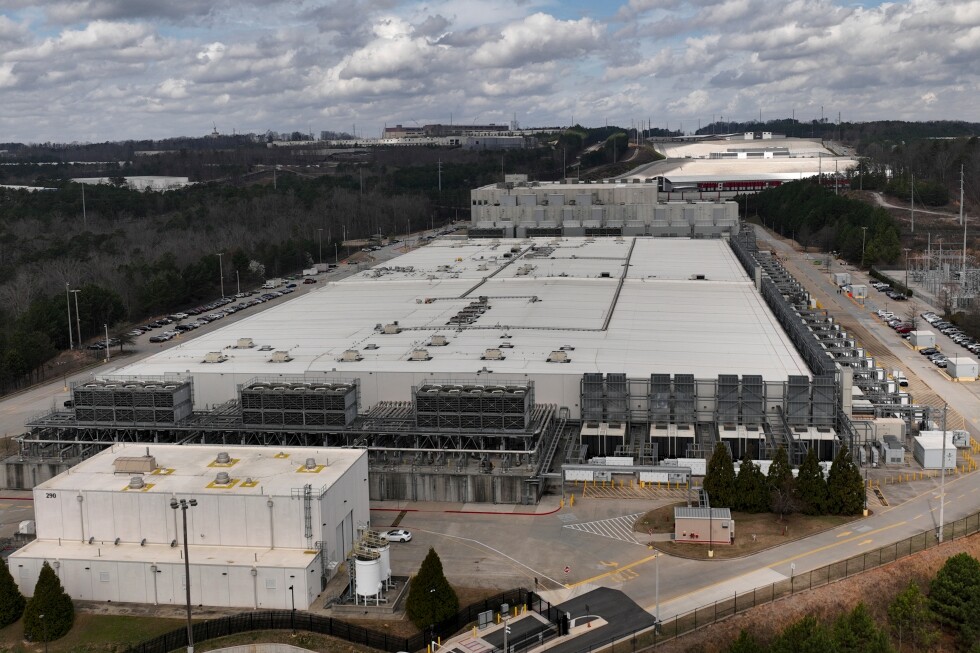
However, these massive facilities consume extraordinary amounts of electricity and water, raising concerns about grid capacity and environmental sustainability. Residents in affected communities have increasingly voiced objections to data center developments, citing worries about power consumption, noise pollution, and strain on local resources.
Energy analysts have specifically warned about potential blackout risks in the mid-Atlantic grid in coming years due partly to the rapid proliferation of power-hungry data centers. This has prompted some local governments to take matters into their own hands, with a handful of counties and municipalities across the U.S. already implementing their own temporary moratoriums.
Opponents of statewide restrictions argue that decisions about data center siting should remain with local officials who better understand their communities’ needs and infrastructure capabilities. Industry representatives maintain that data centers bring significant tax revenue and high-skilled jobs to host communities.
The Maine veto highlights the complex balancing act facing policymakers as they navigate the economic opportunities and environmental challenges presented by the rapid expansion of digital infrastructure in the AI era.
Fact Checker
Verify the accuracy of this article using The Disinformation Commission analysis and real-time sources.

6 Comments
While I understand the governor’s desire to support the local economy, I hope the proposed data center project will be scrutinized thoroughly for its long-term sustainability and environmental impact. Data centers can have significant energy demands and it’s important to ensure they are being built responsibly.
This is a tricky situation without a clear-cut solution. Data centers are vital infrastructure, but their environmental impacts can be significant. I’m glad the governor is taking steps to study the issue further before making a final decision.
It’s a complex issue without easy answers. On one hand, the data center could provide much-needed jobs in the area, but on the other, the long-term environmental consequences need to be considered. I’m curious to see what the special council recommends to balance these priorities.
The governor’s veto and plan to create a council to study data center impacts seems like a prudent approach. It’s important to balance economic development with environmental protections, and I’m interested to see what insights the council uncovers.
This is an interesting development. On one hand, data centers can bring economic benefits, but on the other, their environmental impact needs to be carefully considered. I’m curious to see what the special council’s findings will be and how the governor plans to balance these competing interests.
This veto decision raises valid concerns. Data centers are crucial infrastructure, but their effects on local communities and the environment must be weighed carefully. I’m glad the governor plans to create a council to study the impacts – that seems like a prudent approach.