


Listen to the article
Record Drought Grips United States, Threatening Wildfires and Water Supplies
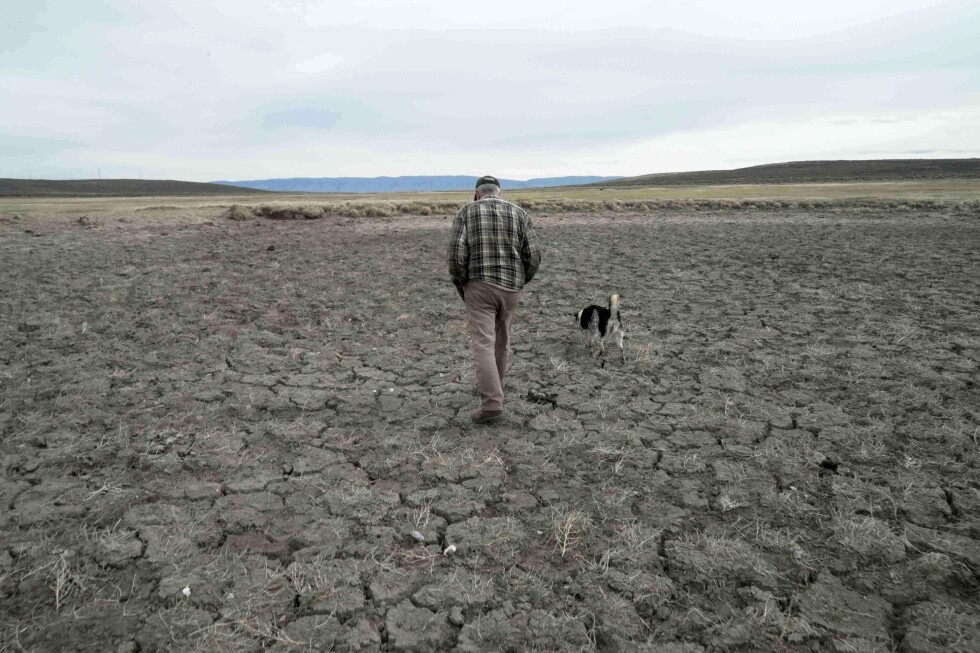
The contiguous United States is experiencing record drought conditions for this time of year, according to recent weather data, raising serious concerns about the upcoming wildfire season, food prices, and water resources across multiple regions.
More than 61% of the Lower 48 states currently face moderate to exceptional drought conditions, with the Southeast particularly hard hit at 97% coverage and two-thirds of the West also affected. These are the highest drought levels recorded for this time of year since the U.S. Drought Monitor began tracking such data in 2000.
The National Oceanic and Atmospheric Administration’s Palmer Drought Severity Index, a comprehensive drought measurement tool, reached its highest March level since record-keeping began in 1895. Even more alarming, last month ranked as the third-driest month ever recorded regardless of season, surpassed only by the infamous Dust Bowl months of July and August 1934.
“Right now 61% of the country is in drought and that’s steadily been going up for the calendar year,” said Brian Fuchs, a climatologist with the National Drought Mitigation Center. “We just haven’t seen too many springs where this amount of the country has been in this kind of shape.”
The drought’s severity varies by region but stems from different causes. In the West, record heat has led to exceptionally low snowpack in the mountains during the first few months of the year—a critical concern since snow typically serves as the region’s natural water storage system for summer. Meanwhile, the South from Texas to the East Coast faces a separate drought caused by the jet stream keeping storms further north, coincidentally overlapping with Western drought conditions.
NOAA calculations indicate it would require a staggering 19 inches of rain in a single month to break the drought in eastern Texas and more than a foot of rain to address deficits across most of the Southeast—amounts that far exceed typical precipitation patterns.
One particularly troubling measurement has caught scientists’ attention: the “vapor pressure deficit,” which measures how much moisture the atmosphere is pulling from the land. This technical but crucial indicator is currently 77% above normal levels and more than 25% higher than previous records for January through March in the Western states.
UCLA hydroclimatologist Park Williams noted that such extreme levels of moisture extraction “wouldn’t have appeared possible” before now. Williams explained the dangerous exponential relationship between heat, drought and wildfires: “For each degree of warming, you get a bigger bang in terms of fire than you got from the previous degree of warming.”
Drought typically reaches its peak during summer months, not spring, making these early extreme conditions especially concerning to meteorologists and climate experts. The timing raises the specter of an exceptionally dangerous wildfire season ahead.
In Arizona, the drought’s effects are already visible as cacti bloom months earlier than usual. Kathy Jacobs, director of the Center for Climate Adaptation Science and Solutions at the University of Arizona, expressed concern about water resources: “Those of us who are dependent on the Colorado River are very concerned about the fact that we don’t have a negotiated path forward in the middle of what appears to be possibly the worst year of drought that we’ve all experienced. We have lots of reservoirs that are not full.”
Yale Climate Connections meteorologist Jeff Masters highlighted potential global implications, warning that drought’s impact on American agriculture could affect worldwide food prices. This is particularly concerning as a strong El Niño weather pattern is predicted, which typically reduces crop yields in other major agricultural regions such as India.
Williams attributes the drought and hotter weather to a combination of natural variability and human-caused climate change, with random factors currently playing a slightly larger role. However, Jacobs emphasized that all contemporary weather is influenced by climate change: “There is no such thing as weather that’s divorced from climate trends. But this extreme event is extreme in the way that we’ve been expecting: extreme heat waves, intense drought.”
As the country braces for summer, the critical question remains whether precipitation patterns will shift to provide relief, or if these record drought conditions will further intensify with potentially devastating consequences for agriculture, water supplies, and wildfire risk across multiple regions.
Fact Checker
Verify the accuracy of this article using The Disinformation Commission analysis and real-time sources.

9 Comments
Extreme droughts of this scale are concerning signs of the worsening climate crisis. I hope this serves as a wake-up call for more urgent action on emissions reduction and adaptation measures to build resilience in vulnerable regions.
The record drought levels are alarming and likely to have major economic and environmental impacts. It’s critical that policymakers and industries work together to conserve water, reduce fire risks, and mitigate the effects on agriculture and food supply.
Agreed, a coordinated, multi-pronged response is needed to tackle this crisis head-on. Long-term solutions focused on water infrastructure, sustainable farming, and fire prevention will be crucial.
The data on the historic levels of this drought is really eye-opening. I’m curious to know more about the specific industries and sectors that will be most impacted, and what the projected economic costs could be if this continues.
This is really concerning news about the dire drought conditions across much of the US. Wildfires, water shortages, and surging food prices are all very worrying outcomes we may see if this persists. I hope authorities can take swift action to address these challenges.
This is a stark reminder of how global climate change is impacting local communities and environments. I wonder what the long-term implications could be for agriculture, water supplies, and ecosystems if these drought conditions persist or worsen.
That’s a great point. The cascading effects on food production, water access, and natural habitats are really concerning and could have far-reaching social and economic consequences if not addressed proactively.
The historic nature of this drought underscores how the climate crisis is rapidly accelerating. I’m curious to know what specific regions and industries are likely to be hit hardest, and what policies or interventions are being considered to build resilience.
Alarming to see such extreme drought conditions emerging so early in the year. I hope authorities are putting robust contingency plans in place to mitigate the risks of wildfires, water shortages, and disruptions to the food supply chain.