


Listen to the article
Documentary “Mr. Nobody Against Putin” Wins Oscar, Exposes Russian War Propaganda in Schools
Pavel Talankin and David Borenstein’s documentary “Mr. Nobody Against Putin” has claimed the Oscar for best documentary feature, offering an unprecedented glimpse into the machinery of Russia’s patriotic education system amid the Ukraine war.
The film unfolds in Karabash, a copper smelting town in Russia’s Ural Mountains so polluted that UNESCO once labeled it the most toxic place on Earth. Yet as the documentary reveals, environmental contamination is only one of many threats to free thinking in this remote corner of Russia.
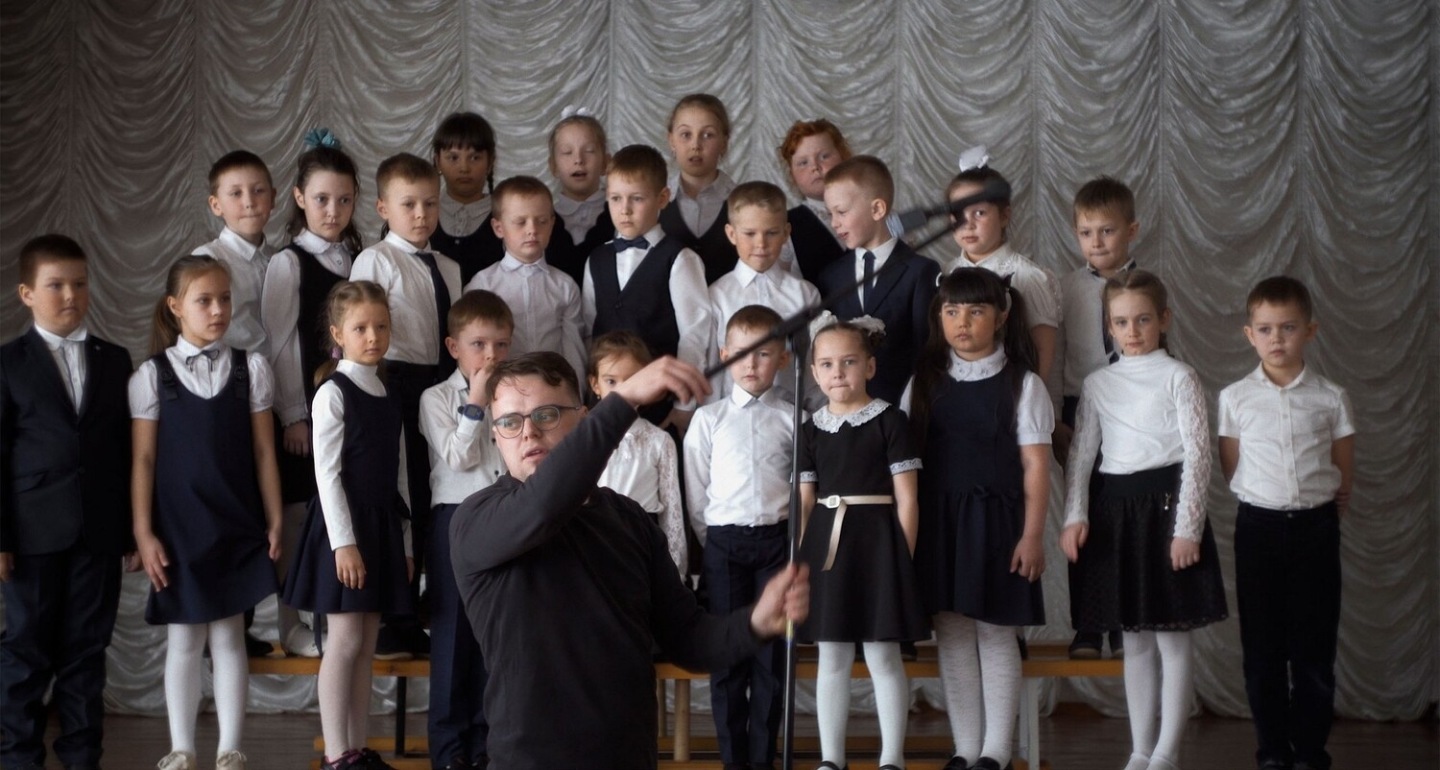
Following Russia’s full-scale invasion of Ukraine, the Ministry of Education mandated school administrators nationwide to document their patriotic education programs as evidence of compliance. While most teachers dutifully followed these directives, Pavel Talankin, who worked as an event coordinator and videographer at a Karabash school, found a different purpose for his footage.
Instead of submitting his recordings to government officials, Talankin secretly collaborated with American filmmaker David Borenstein, sending him raw footage that would eventually become the backbone of their award-winning documentary. The film premiered at the Sundance Festival in January 2025, where it won a special jury award and attracted international acclaim.
What makes the documentary particularly revealing is that none of Talankin’s colleagues or students knew they were being filmed for Western audiences. This created an environment of unfiltered authenticity, with teachers candidly delivering government-approved narratives: claiming sanctions hurt Europe more than Russia, describing Ukrainians as “foolish brothers who veered off course,” and reinforcing Putin’s militaristic worldview.
“Commanders don’t win wars. Teachers win wars,” Putin declares in one video clip featured in the documentary, underscoring the regime’s understanding that indoctrinating the young is critical to maintaining power—the same teachers who, as the film subtly notes, often help “win” elections by manipulating ballots at polling stations commonly located in schools.
Despite being shot on amateur equipment, Borenstein’s masterful editing creates a compelling narrative that tracks both the evolution of the political situation and individual character development. This is particularly remarkable considering the subjects were unaware they were participating in a documentary.
The film poignantly captures the transformation of the school environment over time. Early scenes show Talankin’s office bustling with students drawn to his free-spirited nature. As the documentary progresses, this same office empties as children either sense his nonconformity or are warned away by parents and other teachers.
One of the most affecting character arcs follows a teenager named Masha. Initially portrayed as carefree and mentioning her brother’s lucrative military salary, her story takes a darker turn as the war progresses. Though she never explicitly opposes the regime, viewers witness her silent inner struggle and gradual emotional withdrawal—a powerful visual representation of war’s psychological toll on Russia’s youth.
As the documentary advances, the school’s patriotic curriculum intensifies. Mercenaries are brought in to teach children military drills, weapon handling, and “effective” grenade-throwing techniques. The once-enthusiastic atmosphere gives way to a somber reality as gravesites of former students begin to appear.
The war strikes Talankin personally when his former classmate dies at the front. Rather than filming the funeral, Talankin records only the audio—the wailing and eulogies played against a black screen create one of the film’s most haunting sequences.
Some critics have questioned the ethics of creating a documentary without subjects’ explicit consent, though Talankin maintains he was the school’s official videographer and had parents’ signed consent for using their children’s personal data. Others suggest certain scenes appear staged or excessively tailored to Western audiences.
Despite these critiques, the film has achieved a rare 100 percent critic rating on Rotten Tomatoes. Many reviewers draw unsettling parallels between Putin’s propaganda machine and elements within their own societies, with one IMDB review praising the film’s restraint and its reminder that “injustice can happen anywhere.”
Talankin, who fled Russia before the documentary’s release, risked everything to expose this system from within. The result is not just a window into Russia’s educational propaganda, but a warning about how young minds are being prepared for continued conflict with the West—yesterday’s schoolchildren becoming tomorrow’s potential adversaries, shaped by a curriculum of deception and militarism.
Fact Checker
Verify the accuracy of this article using The Disinformation Commission analysis and real-time sources.

14 Comments
Fascinating insight into the Russian propaganda machine. It’s chilling to see how the government is indoctrinating the youth and suppressing critical thinking in these remote towns. I’m glad the filmmakers were able to expose this despite the risks.
The Oscar win for this documentary is well-deserved. It’s important to shine a light on these issues and raise awareness globally.
Wow, this is a really eye-opening look at the extent of Russia’s indoctrination tactics. It’s alarming to see how the government is leveraging the education system to brainwash the next generation. Kudos to the filmmakers for their bravery.
An Oscar for this documentary is a well-deserved accolade. It’s crucial that these stories of oppression and propaganda get global attention and recognition.
The environmental devastation in Karabash is a sobering reminder of the human cost of Russia’s extractive industries and disregard for local communities. This film sheds light on a critical issue that often gets overlooked.
It’s heartbreaking to see how the government is exploiting these vulnerable towns for their own political gain. I hope this documentary inspires more scrutiny and action on these issues.
Kudos to the filmmakers for their tenacity and courage in getting this story out. The level of control and manipulation described is truly chilling. This film is an important wake-up call about the reality of life in Putin’s Russia.
The Oscar recognition will hopefully bring wider attention to this important work. We need more voices like this exposing the truth, even in the face of government suppression.
The environmental devastation in Karabash is a horrifying backdrop to this story of government control and manipulation. It’s a stark reminder of the human cost of Russia’s extractive industries and disregard for local communities.
I’m glad to see this film receiving such prestigious recognition. It’s an important work that sheds light on a critical issue that deserves more scrutiny worldwide.
This is a powerful and timely documentary. Kudos to the filmmakers for their brave and determined efforts to document the truth, even in the face of government censorship. Their work is crucial for understanding the reality of life under Putin’s regime.
I’m glad to see this film getting international recognition. The world needs to know the extent of Russia’s propaganda and indoctrination tactics.
This documentary sounds like a must-see. The depth of Russia’s propaganda efforts, even in remote industrial towns, is deeply disturbing. I commend the filmmakers for risking so much to bring this story to light.
An Oscar win for this film is a powerful statement. It shows the world is paying attention to the realities of life under Putin’s regime and the importance of independent journalism.