


Listen to the article
Los Angeles City Council Deals Blow to Proposed Dodger Stadium Gondola
In a decisive move that signals growing opposition to a controversial transportation project, the Los Angeles City Council voted 12-1 this week to urge county transportation officials to halt plans for an aerial tramway connecting downtown Los Angeles to Dodger Stadium.
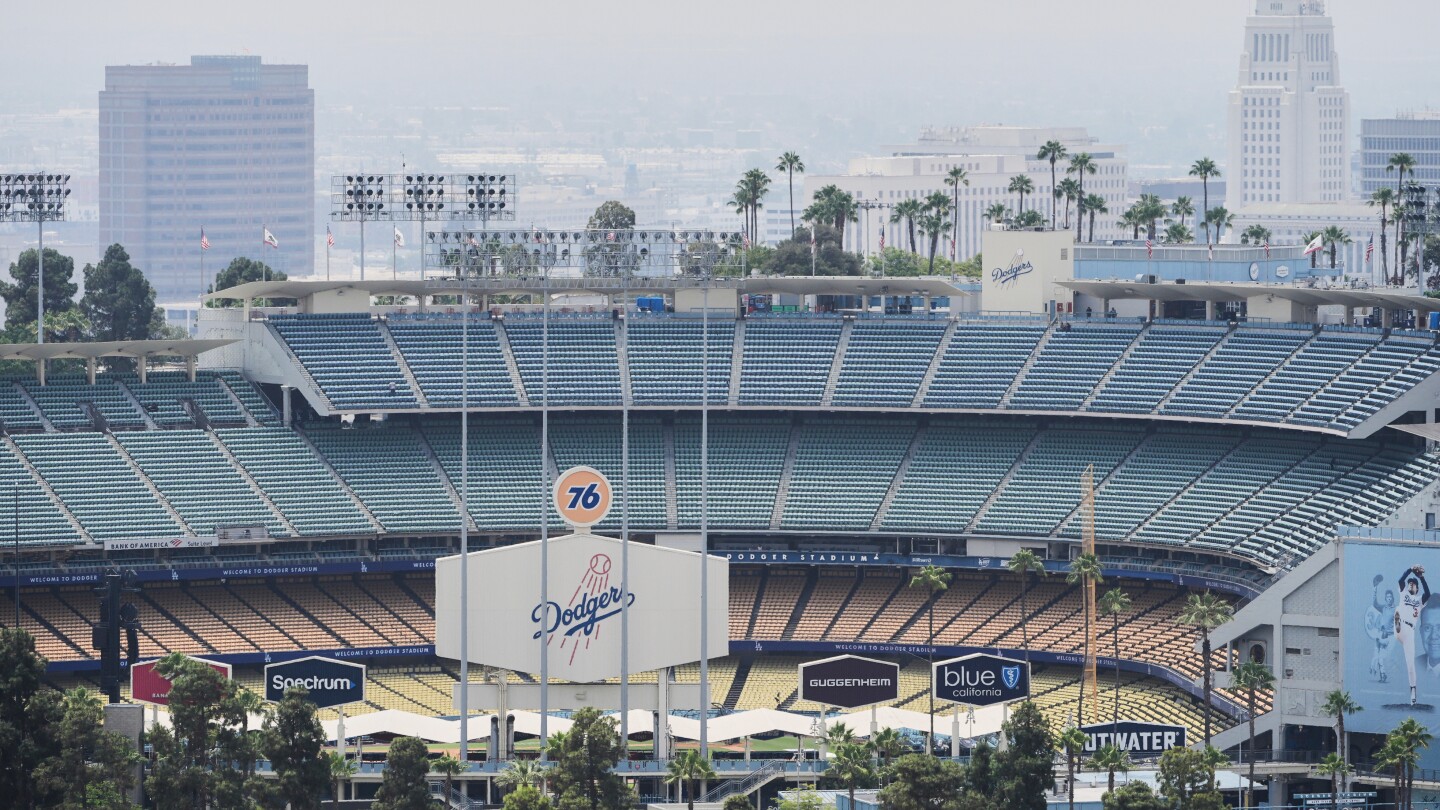
The proposed $500 million gondola would ferry passengers between Union Station, the city’s main transit hub, and the baseball stadium approximately one mile away. Supporters have touted the project as an innovative solution to the notorious traffic congestion that plagues the area during Dodgers games and other events.
The resolution, which requires Mayor Karen Bass’s signature to take effect, represents a significant setback for developers. Bass has previously supported the project as a Metropolitan Transportation Authority (Metro) board member, and her office has not yet indicated whether she will approve the council’s recommendation.
Councilmember Eunisses Hernandez, who introduced the resolution, sharply criticized the project. “It is a private development scheme disguised as transportation, designed to raise the value of a billionaire’s parking lots, not to serve working Angelenos,” Hernandez said in a statement last month.
The gondola concept was first proposed in 2018 by Aerial Rapid Transit Technologies, a company founded by former Dodgers owner Frank McCourt. According to initial plans, the system would transport at least 5,000 people per hour in each direction, with each ride taking approximately five minutes.
Proponents argue that the gondola would be environmentally friendly, reduce traffic congestion, and operate safely and quietly. The developers have pledged that the project would not require taxpayer funding, instead relying on private financing.
However, critics, including the nonprofit group Stop The Gondola, remain skeptical about the financial arrangements. They contend that McCourt has not released a comprehensive financial plan, raising concerns that taxpayers might eventually bear costs for construction, maintenance, or operations.
Opposition also centers on the project’s impact on local neighborhoods, many of which are lower-income communities. Critics worry about the visual impact of the support towers, the potential removal of more than 150 trees, and years of construction disrupting traffic along the route.
A fundamental question about the gondola’s effectiveness also remains: whether it would actually reduce car traffic or simply shift where baseball fans park their vehicles. Critics suggest that instead of taking public transportation to Union Station, many attendees might simply drive downtown to board the gondola.
Not all local residents oppose the project, however. A group of six longstanding Chinatown families released a statement Thursday supporting the gondola, suggesting it could bring economic benefits to their historically significant neighborhood, which has struggled financially in recent years.
“The gondola could mean commitments to local hiring and apprenticeship programs for our neighbors, incubators for small immigrant-owned businesses, and cultural preservation funds, including marketing opportunities,” their statement read.
The debate highlights the challenges of developing effective transportation solutions in Los Angeles, a sprawling metropolis where public transit often struggles to compete with the convenience of personal vehicles. Despite an expanding rail and bus network, many residents live in areas with limited public transportation access.
The Dodgers organization, which won the 2023 World Series, has expressed support for the gondola, calling it an “innovative project” that would enhance the fan experience at the stadium.
Despite this week’s setback, the proposal is expected to receive a full council vote next year. However, the overwhelming opposition shown in Wednesday’s vote suggests that the aerial tramway faces significant hurdles before becoming a reality.
As Los Angeles continues to grapple with traffic congestion and environmental concerns, the gondola controversy underscores the complex intersection of transportation planning, economic development, and community impact in America’s second-largest city.
Fact Checker
Verify the accuracy of this article using The Disinformation Commission analysis and real-time sources.

6 Comments
As someone who has attended Dodger games, I can attest to the traffic headaches. A gondola could be a game-changer, but the council’s concerns about it being a ‘private development scheme’ are valid. Curious to see how this unfolds.
A $500 million gondola project is no small investment. I can see why officials would want to scrutinize it carefully to ensure it’s truly in the public’s best interest, not just that of the Dodgers’ owner. Balancing private and public needs is crucial for a project of this scale.
The city council’s move to halt the gondola proposal is understandable, given the potential for it to primarily benefit the Dodgers’ billionaire owner. However, innovative transportation solutions are sorely needed in LA. I hope they can find a way to make it work for the broader public.
The proposed gondola sounds like an innovative transportation solution, but I can understand the city council’s hesitation if it’s seen as primarily benefiting the Dodgers’ owner rather than the broader public. Balancing private and public interests is always tricky.
You make a good point. Any major infrastructure project needs to demonstrate clear public benefit, not just private gain. It will be important for the city to scrutinize the details carefully.
Interesting development on the Dodger Stadium gondola proposal. I can see both sides – it could help alleviate traffic, but there are concerns about it being a private development scheme. Curious to see how this plays out.