


Listen to the article
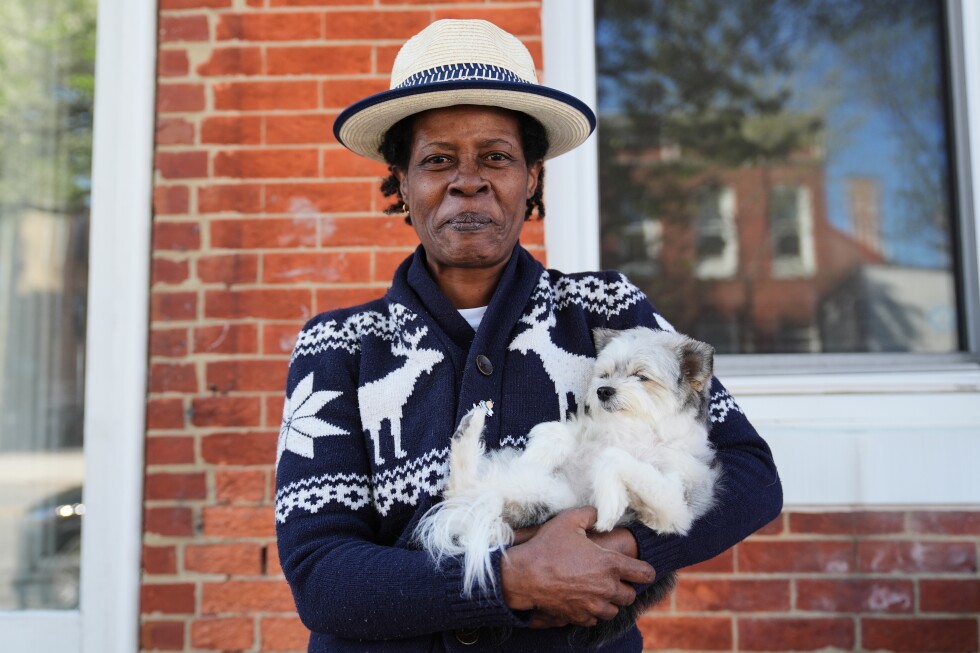
After several deaths in her family and an eviction that left her homeless, 59-year-old Jevona Anderson’s life began to unravel in 2025. Despite nearing completion of her bachelor’s degree, she found herself failing classes and falling behind on bills, eventually becoming one of America’s “stopouts” – students who leave college before finishing their degrees.
Anderson joins approximately 38 million working-age adults in the United States who have left higher education without completing their studies. Many stopouts face a challenging financial predicament: they must repay student loans without the benefit of increased earnings that typically come with degree completion.
While many leave college intending to return, few historically have managed to do so. Recent trends, however, show promising developments. The number of stopouts reenrolling reached over 1 million in the 2023-2024 academic year, representing a 7% increase from the previous year, according to enrollment data.
For Anderson, a scholarship provided the crucial support needed to return to the University of Baltimore. “It was so easy for someone my age to stop, because I have a lot of professional skills to get a job to continue to just live,” she explained. “It’s bigger than that.”
Anderson initially enrolled at the University of Baltimore in 2019 to pursue a bachelor’s degree in environmental sustainability. After various careers including fingerprint technician and fitness director, her passion crystallized while substitute teaching in city schools. She noticed the absence of green spaces in high-poverty urban communities and wanted to share her environmental interests with children through hands-on learning.
“I needed to make sure that I get this degree so I can get back to them somehow, some way,” said Anderson, now 60.
But balancing studies with life’s demands proved challenging. Fellowships provided experience but little income. Grief from family losses compounded her financial difficulties, and an eviction made focusing on academics nearly impossible.
“I’m looking at my grades go from A’s and B’s to, like, ‘what is this?’ … to ‘I have to take this class again,'” Anderson recalled. After consulting with her student support coordinator, she decided to pause her studies.
While the stopout population continues to grow overall, recent years have shown encouraging signs of improvement. States and institutions are making progress through deliberate efforts to provide financial assistance and remove bureaucratic obstacles like account holds.
When Anderson’s life stabilized late last year, university advisers connected her with a scholarship program for students close to degree completion, largely funded by the Carnegie Corporation. This support covered her remaining credits and housing costs, putting graduation within reach.
“Higher education continues to have great unmet potential to help people live better lives, and we’re talking about a group of Americans that have already started down to that path; they’re close to the finish line,” said James Kvaal, who oversees Carnegie’s education grantmaking after serving as undersecretary of education in the Biden administration.
Maryland colleges reenrolled 25,068 students from around the country in 2023-2024, an increase of 2,259 from the previous year. However, this represents only a fraction of the 600,000 working-age adults who had dropped out of Maryland schools without completing degrees.
Several states have partnered with ReUp, a company that facilitates reenrollment through coaching and data tools. These services help schools refine outreach methods and match returning students with appropriate college programs based on academic history, life circumstances, and career goals.
Reengaging stopouts presents unique challenges. ReUp’s data indicates it takes an average of 24 touchpoints – texts, emails, and meetings – before a stopout reenrolls. Nevertheless, many institutions find this investment worthwhile compared to recruiting entirely new students.
Richie Ince, who launched a stopout scholarship at Colorado’s Pueblo Community College about a decade ago, found many former students left due to what he calls “life happens moments.” The program offers about $2,000 in financial support along with personalized outreach.
“We just heard a lot of students say this was the kind of kick in the pants they needed, or that they just needed someone to reach out,” said Ince, the college’s director of enrollment management.
The program includes accountability measures – students don’t receive scholarship funds until passing their first semester back with C grades or better. Staff also assist with financial aid applications and provide ongoing support to keep students on track.
For 55-year-old Melody Blair, the scholarship provided the necessary support to return to school for an associate’s degree in health information management after decades working nights at a call center. Now she’s pursuing a career in genomic registry, helping people without access to their medical histories.
Anderson expects to graduate this semester, though she initially couldn’t afford graduation regalia. The school’s student center has offered to lend her a cap and gown. What matters most to her is the prospect of working with children again.
“Me and God made a pact — I am graduating this spring,” she affirmed.
Fact Checker
Verify the accuracy of this article using The Disinformation Commission analysis and real-time sources.

10 Comments
It’s encouraging to see the rising numbers of ‘stopouts’ reenrolling in college. The path to a degree can be long and winding, but persistence and determination pay off. With the right programs and resources in place, more students like Jevona can overcome the obstacles and finally earn that diploma.
You make a great point. Helping stopouts reengage with higher ed is a wise investment, as it can unlock significant economic and social benefits for both the individual and the community. Kudos to the schools leading the way on this important initiative.
While the challenges faced by stopouts are significant, it’s heartening to see colleges stepping up to remove barriers and support their return. Degree completion can be transformative, opening doors to better jobs, higher incomes, and greater financial security. This trend is truly encouraging.
Agreed. Providing pathways for stopouts to finish their education is a win-win – it empowers individuals while also strengthening the overall workforce and economy. I hope more schools follow this model and make it easier for students to persist through life’s curveballs.
It’s great to see colleges actively working to help students like Jevona reenroll and finish their degrees. Completing higher education can make such a significant difference, both financially and personally. I hope more institutions adopt similar programs to support these ‘stopouts’.
You’re right, programs that remove barriers and provide financial assistance can be transformative for students who’ve had to temporarily pause their education. Helping them cross the finish line is a worthy investment.
Jevona’s story underscores the importance of flexible, student-centric approaches in higher ed. Colleges that proactively reach out to stopouts and remove financial/logistical hurdles are making a meaningful difference. This type of support can be life-changing for adults trying to better their circumstances.
Exactly. Helping stopouts reenroll and complete their degrees is an invaluable service. Not only does it benefit the individual, but it strengthens the broader community by expanding access to higher education and the opportunities it provides. A commendable initiative all around.
Jevona’s story highlights the real-world challenges many students face in trying to complete their college degrees. Life events like family emergencies and financial hardship can derail even the most determined students. Kudos to the schools making it easier for them to get back on track.
Absolutely. Colleges need to be more flexible and accommodating to the realities of adult students’ lives. Removing bureaucratic hurdles and offering targeted support can make all the difference in helping them achieve their educational goals.