


Listen to the article
Maine Poised to Enact Nation’s First Statewide Moratorium on Data Centers
Maine lawmakers have approved legislation that would impose the nation’s first statewide moratorium on large-scale data centers, reflecting growing public concern about these energy-intensive facilities. The bill now awaits a decision from Governor Janet Mills, a Democrat currently running for U.S. Senate.
The proposed moratorium would last more than a year and would affect data centers above a certain size. The legislation also establishes a special council to help municipalities evaluate potential projects, aiming to address transparency issues that have troubled local communities.
“It’s not that there’s no place for data centers in Maine,” explained Democratic Representative Melanie Sachs, the bill’s sponsor. “Frankly, the tradeoffs have not been shown to be of benefit to our ratepayers, water usage or community benefit in terms of economic activity.”
The legislation emerged in response to intense community opposition to data center proposals in Maine. While the state hasn’t been a major hub for these facilities, which power artificial intelligence systems and other digital infrastructure, local resistance to specific projects helped propel the bill quickly through Maine’s Democratic-controlled legislature.
This development represents a significant shift in the political landscape surrounding data centers. While these facilities have enjoyed strong backing from the Biden administration and many governors who view them as economic engines critical for competing with China in artificial intelligence, grassroots opposition is increasingly gaining political traction.
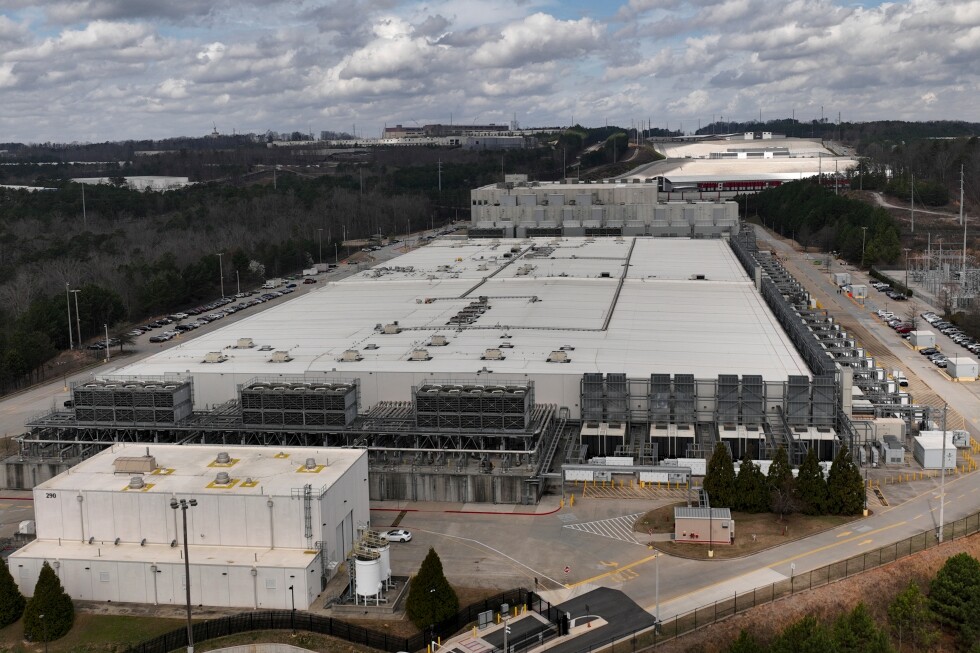
The concerns driving opposition are substantial. Data centers consume enormous amounts of electricity and water, potentially threatening power grid stability and raising utility costs for local residents. In the mid-Atlantic region, analysts have warned about possible blackouts in coming years due to the strain these facilities place on infrastructure.
Industry representatives warn that Maine’s moratorium could have far-reaching consequences. “It says that the state is willing to essentially put a blanket ban on you if it decides that you may be politically unfavorable,” said Dan Diorio of the Data Center Coalition, a trade association representing tech companies and developers.
Critics of the moratorium argue it will discourage economic development and prevent local builders and labor unions from developing expertise in this growing sector. “We think that these data centers could bring good jobs, good opportunities to these regions,” said Montana Towers, a policy analyst with the free market Maine Policy Institute. “And a lot of these concerns about them are luddite in nature.”
However, supporters of the pause contend it’s primarily about ensuring community input in the development process. “If this is going to come, we want to be in early and often on the conversation,” said Joe Oliva, a spokesperson for the Maine Broadband Coalition and GrowSmart Maine, both of which backed the moratorium.
Maine’s initiative is part of a broader national trend. Since last summer, community opposition to data centers has intensified, with numerous municipalities rejecting proposals after encountering fierce resident resistance. While several counties and local governments have imposed moratoriums, statewide measures have generally struggled to gain traction in state legislatures.
In Ohio, residents are pursuing a more permanent solution through a ballot initiative aimed at banning hyperscale data centers outright, requiring over 400,000 voter signatures by July 1. “Public officials, developers and other interests could otherwise make this state a virtually unbroken field of data centers,” explained Austin Baurichter, a Cincinnati-area lawyer helping organize the effort.
The tensions between economic development and community concerns were evident in South Dakota, where a proposed one-year moratorium failed in a state Senate committee despite public support. Republican Senator Taffy Howard, who sponsored the bill, framed the debate as a choice between listening to citizens or corporate interests, asking colleagues: “Are you going to listen to the people or the paid lobbyists?”
As states struggle to meet clean energy goals, the rapid expansion of energy-hungry data centers increasingly presents a significant obstacle. Maine’s bold move could signal the beginning of more assertive regulatory approaches nationwide as communities grapple with the social and environmental implications of digital infrastructure development.
Fact Checker
Verify the accuracy of this article using The Disinformation Commission analysis and real-time sources.

10 Comments
As the digital economy continues to grow, the siting and operation of data centers is becoming a major policy challenge for states and localities. Maine deserves credit for being proactive on this issue.
I’m glad to see Maine taking a thoughtful approach to data centers rather than just rubber-stamping new projects. The establishment of an evaluation council is a smart way to bring more transparency and community input to the process.
The data center moratorium in Maine reflects the tensions between economic development and environmental protection. It’s a tough balance, but one that more states may have to grapple with going forward.
A statewide pause on data centers is a bold move, but one that Maine seems to feel is necessary given the community opposition. I’ll be watching to see if this sets a precedent for other states grappling with the same issues.
As the demand for digital infrastructure continues to grow, states will have to grapple with the tradeoffs around data centers. Maine’s pause seems like a prudent step to get a handle on the impacts before moving forward.
Data centers are a double-edged sword – they power our digital world but also consume huge amounts of energy and water. Maine’s approach of establishing a council to evaluate projects more transparently is a sensible way to balance the needs.
I’m curious to see how Maine’s data center moratorium plays out. On one hand, it could help the state get a handle on the impacts. But it also risks stifling innovation and investment if not handled carefully. Tough balancing act for policymakers.
Interesting to see Maine taking a proactive stance on data centers. These facilities can have significant environmental and infrastructure impacts that need to be carefully weighed. A statewide pause to assess the tradeoffs seems prudent.
The backlash against data centers in Maine highlights the growing tensions around the environmental toll of our digital infrastructure. Kudos to the state for taking a measured approach to assess the tradeoffs before rushing into more projects.
The data center moratorium in Maine is a bold move, but one that seems justified given the community concerns. I’ll be watching to see if it leads to a more thoughtful, sustainable approach to siting these facilities.