


Listen to the article
Nearly 200 organizations are calling on the Trump administration and Puerto Rico’s governor to restore $350 million in federal funding originally allocated for rooftop solar and battery systems for 12,000 low-income families across the U.S. territory. The funding cut has raised serious concerns about vulnerable residents’ safety as chronic power outages continue and hurricane season approaches.
Many of the affected families include individuals with disabilities or medical conditions requiring consistent electricity, making the solar systems a potential lifesaving resource rather than a luxury.
“For them in particular, whether they get a solar system or not is something that is really life or death,” explained Charlotte Gossett Navarro, Puerto Rico chief director for the Hispanic Federation, one of the organizations that signed a letter released Wednesday addressed to Puerto Rico Gov. Jenniffer González and U.S. Energy Secretary Chris Wright.
The Hispanic Federation is among seven organizations that were set to assist with installation of the solar systems and provide education about their use. Some of these groups are now formally challenging the cancellation or negotiating with the U.S. Department of Energy as a May 9 deadline approaches, marking the program’s end.
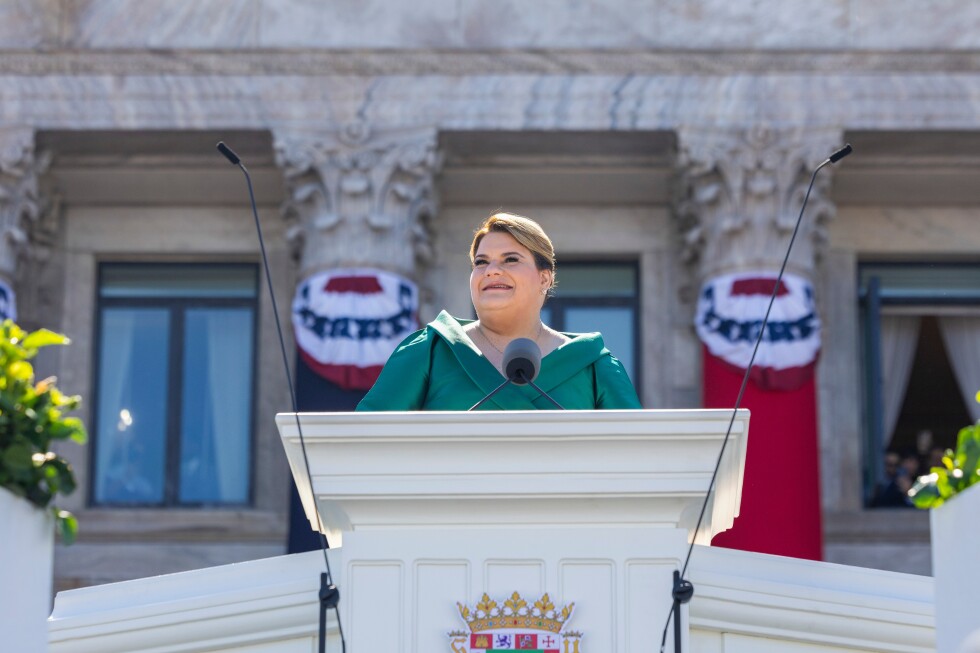
Governor González has stated her administration “had no choice” in the matter, claiming the federal government decided to withdraw the funding. The money will reportedly be redirected to Puerto Rico’s deteriorating power grid, which was devastated by Hurricane Maria in 2017 but had already suffered from decades of neglect and underinvestment.
While rooftop solar installations have grown significantly across Puerto Rico—with an average of 3,850 systems installed monthly in 2025 and nearly 192,000 total installations by year’s end—these systems remain financially out of reach for many residents. Puerto Rico, home to approximately 3.2 million people, has a poverty rate exceeding 40%.
The funding cuts have real human consequences. Yvette Rodríguez, 61, who relies on a sleep apnea machine, and her husband Luis Soler, a 67-year-old veteran and double amputee who uses an electric adjustable bed, are among those left in limbo.
“There’s a big need for those solar panels,” said Rodríguez, who lives on the small Puerto Rican island of Culebra. Her husband requires air conditioning due to heart problems and resides in an area frequently under heat warnings. She added that power outages force them to dispose of food, creating additional financial strain: “We’re affected economically in a big way because we have to spend what little money we have so that we can eat.”
María Pérez, 80, who suffers from high blood pressure and heart problems, faces similar challenges. She needs refrigeration for her cataract eye drops. “I put them on ice, but it’s not the same,” she said. “They have us suffering with that money that they took away from us. It’s not fair.” Pérez receives just $364 monthly from Social Security, yet her power bill often matches that amount.
The program had already made progress, with solar systems installed in over 6,000 households before the funding was redirected. For the remaining 12,000 families, some had completed initial eligibility screenings, while others had received home visits or begun roof repairs in preparation for installation.
Gabriela Joglar Burrowes, executive director of Puerto Rico’s Statewide Independent Living Council and a signatory to the letter, emphasized that the systems would have provided not only reliable electricity but peace of mind.
“If you’re a person who depends on equipment like a ventilator, a dialysis machine or medicine that requires refrigeration, the lack of consistent energy represents a risk that could lead to even death,” she explained. Joglar Burrowes, who is disabled herself, added, “It seems like sometimes we’re disposable, and we’re not.”
The situation is particularly concerning because many affected families live in rural communities, including mountainous towns like Adjuntas, Jayuya and Orocovis. “It’s even more concerning,” Gossett Navarro noted. “It’s hard to get out of the mountains when there’s a disaster.”
While the U.S. Department of Energy states on its website that some people will still receive systems, officials have not specified who qualifies or when installations will occur, leaving thousands of vulnerable Puerto Rican families facing another hurricane season without reliable power.
Fact Checker
Verify the accuracy of this article using The Disinformation Commission analysis and real-time sources.

12 Comments
I’m troubled to hear about the loss of this $350 million in solar funding for Puerto Rico. Renewable energy solutions like rooftop solar are critical for improving grid resilience and ensuring access to consistent power, especially for low-income residents with medical needs. I hope a solution can be found to restore this support.
Well said. This funding cut puts lives at risk and undermines efforts to build a more sustainable energy system in Puerto Rico. Restoring this $350 million should be an immediate priority for the administration and territory’s leaders.
This is a concerning situation. Vulnerable Puerto Rican families rely on consistent power for medical needs, and the loss of solar funding could put lives at risk. I hope the administration and governor can work to restore this critical $350 million in support.
You’re right, this funding cut is very worrying. Access to reliable electricity is a basic need, especially for those with disabilities or medical issues. Restoring this support should be an urgent priority.
The loss of this $350 million in solar funding is a setback for Puerto Rico’s efforts to build a more resilient energy system. Rooftop solar and battery storage could be a lifeline for low-income residents facing chronic power outages. I hope a solution can be found to reinstate this critical support.
Absolutely. Investing in distributed renewable energy like rooftop solar is crucial for improving grid resilience in Puerto Rico. Restoring this funding could make a real difference for vulnerable families.
This funding cut is deeply concerning. Access to reliable electricity is a fundamental human right, especially for those with health conditions that require consistent power. I hope the administration and Puerto Rico’s governor can find a way to quickly restore this critical $350 million in support.
Well said. Reliable power is an essential need, not a luxury, for many Puerto Rican families. Restoring this solar funding is a matter of public health and safety that cannot be ignored.
This is a concerning development. Consistent electricity access is a basic necessity, especially for Puerto Ricans with disabilities or medical conditions. Restoring the $350 million in solar funding seems like a common-sense move to protect public health and safety.
I agree, this funding cut could have serious consequences for vulnerable Puerto Rican families. Reliable power is a fundamental human right, not a luxury. Reinstating this support should be an urgent priority.
It’s good to see so many organizations coming together to advocate for this funding to be reinstated. Solar power can be a lifeline for low-income families in Puerto Rico, who continue to face chronic blackouts. Consistent electricity access is a matter of life and death for many.
I agree, the broad coalition of groups speaking up on this issue lends important weight to the call for action. Restoring this $350 million in solar funding is crucial to protecting vulnerable Puerto Ricans.