


Listen to the article
Arizona man pleads guilty to $1.8 million COVID tax fraud scheme
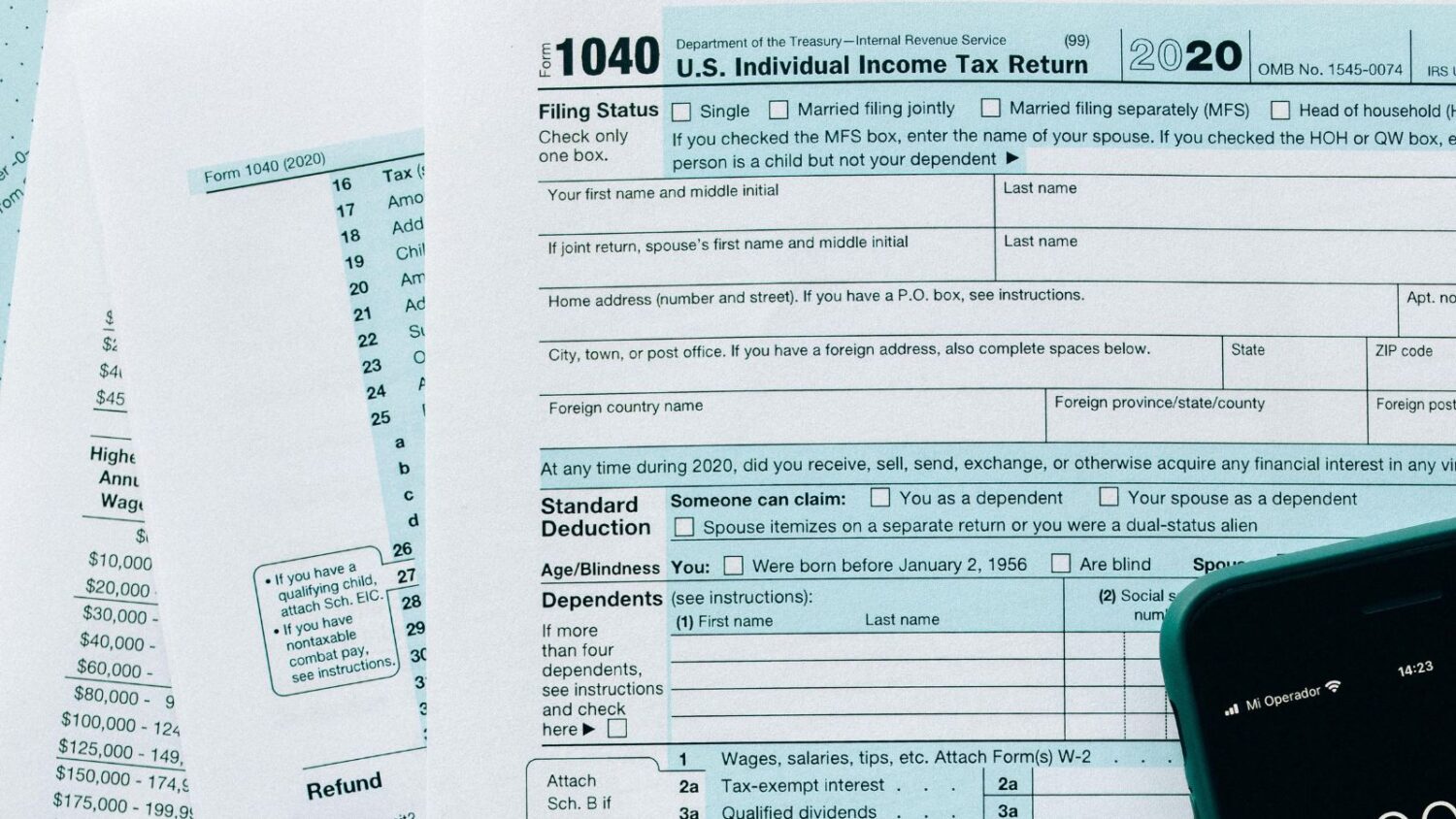
A 54-year-old Peoria resident has admitted to orchestrating an elaborate tax fraud scheme that netted him $1.8 million in COVID-19 relief tax credits, federal prosecutors announced this week.
Leslie Victor Gentry entered a guilty plea on April 8 to filing false claims for refunds, a crime that carries potential penalties of up to five years in prison, a $250,000 fine, and full restitution to the Internal Revenue Service. His sentencing has been scheduled for July 13.
According to the U.S. Attorney’s Office for the District of Arizona, Gentry submitted 14 fraudulent tax forms to the IRS during 2020 and 2021, at the height of the pandemic when federal assistance programs were widely available to struggling businesses. The tax forms were filed on behalf of two companies allegedly owned by Gentry and his wife.
Prosecutors revealed that these businesses were not operational during the relevant period, a fact Gentry concealed from authorities. To execute the scheme, Gentry fabricated wage payments to nonexistent employees, using these fictional payroll expenses to claim substantial tax credits designed to help businesses retain workers during the COVID-19 crisis.
During legal proceedings, Gentry admitted that neither company had any actual employees, nor did they pay any of the wages reported on the tax forms. This admission directly contradicted the information he provided to the IRS when claiming the refunds.
The case highlights a troubling pattern of fraud that emerged during the pandemic, as government relief programs disbursed trillions of dollars in assistance with expedited verification processes. The Department of Justice and IRS Criminal Investigation Division have prioritized prosecuting COVID relief fraud cases over the past three years, with hundreds of individuals facing charges nationwide.
Tax fraud related to pandemic relief programs has been particularly damaging to government efforts to assist legitimate businesses during the economic crisis. The Pandemic Response Accountability Committee estimates that improper payments across various COVID relief programs may exceed $200 billion nationwide.
“COVID relief programs were designed to be lifelines for struggling businesses during an unprecedented economic crisis,” said financial crimes expert Michael Ramirez, who is not affiliated with this case. “When individuals exploit these programs through fraud, they’re not just stealing from the government—they’re diverting resources intended for businesses that were genuinely trying to keep workers employed during extremely difficult circumstances.”
The Arizona case reflects a broader enforcement trend as federal prosecutors wrap up investigations initiated during the pandemic years. The Department of Justice established the COVID-19 Fraud Enforcement Task Force in May 2021 specifically to coordinate efforts against pandemic-related fraud.
For Arizona businesses that struggled legitimately during the pandemic, fraudulent claims like Gentry’s represent a particularly frustrating abuse of systems designed to provide economic stability during crisis conditions.
The U.S. Attorney’s Office emphasized that this prosecution demonstrates their ongoing commitment to holding accountable those who exploited pandemic relief programs for personal gain. Federal investigators continue to pursue leads related to potentially fraudulent COVID relief claims throughout Arizona and across the country.
Gentry’s case will likely serve as a deterrent example as the legal consequences for pandemic fraud begin to materialize in courtrooms nationwide. As pandemic-era assistance programs wind down, federal authorities have shifted focus toward ensuring accountability for those who abused these emergency financial lifelines.
Fact Checker
Verify the accuracy of this article using The Disinformation Commission analysis and real-time sources.

14 Comments
It’s unfortunate to see someone abusing COVID relief programs for personal gain. While the pandemic created economic challenges, that doesn’t justify criminal activity. Strict enforcement and penalties are needed to deter future fraud and maintain public trust in the system.
Agreed. Exploiting pandemic aid for illicit personal profit is a serious offense. The sentencing should reflect the gravity of this crime against taxpayers.
It’s disheartening to see someone take advantage of crisis-era assistance programs in this way. Fraudulent claims not only deprive legitimate businesses and individuals, but also undermine public confidence. Hopefully this conviction serves as a strong deterrent going forward.
Agreed. Fraudulent tax schemes during the pandemic erode the social contract. Strict penalties are warranted to protect the integrity of relief efforts.
This is a disappointing case of fraud during a challenging time. It’s important that COVID relief funds are used responsibly and not exploited for personal gain. Hopefully the sentencing will serve as a deterrent to others considering similar schemes.
Agreed. Misuse of pandemic aid programs is unacceptable. The court should impose a meaningful penalty to send a clear message.
This case highlights the importance of vigilant oversight of pandemic aid programs. While most recipients used the funds responsibly, unfortunately there were bad actors who tried to game the system. Strict enforcement is needed to protect taxpayer money and deter future fraud.
Absolutely. Robust auditing and verification processes are essential to ensure COVID relief reaches the intended recipients and is not abused.
This is a disappointing case of fraud and abuse during a difficult time. While the pandemic created hardship, that’s no excuse for criminal exploitation of relief programs. Robust oversight and enforcement are critical to protect the integrity of the system and ensure funds reach the intended recipients.
Well said. Strict penalties are warranted to send a clear message that such fraud will not be tolerated, even in times of crisis. The public deserves responsible stewardship of taxpayer money.
Tax evasion and fraud undermine the integrity of our tax system. While the pandemic created hardship, that’s no excuse for this type of criminal activity. I hope the sentencing sends a strong signal that such fraud will be prosecuted to the fullest extent of the law.
Well said. Exploiting COVID relief programs for personal gain is a serious offense that erodes public trust. Justice must be served.
While the pandemic created hardship, that doesn’t excuse criminal behavior. This case of COVID tax fraud is troubling and highlights the need for vigilance in monitoring relief programs. Hopefully the sentencing will send a clear message that such exploitation will not be tolerated.
Well said. Pandemic or not, theft of taxpayer funds through fraud is unacceptable. Rigorous oversight and enforcement are essential to protect the system.