


Listen to the article
US Charges Chinese Nationals in Myanmar Cryptocurrency Scam Operation
Two Chinese nationals are facing federal charges in the United States for allegedly managing a large compound in Myanmar where workers were forced to participate in cryptocurrency investment fraud schemes, according to court documents unsealed Thursday in Washington, D.C.
Federal prosecutors have charged Huang Xing Shan and Jiang Wen Jie with wire fraud conspiracy. The pair allegedly operated the industrial-scale Shunda Park compound in the village of Min Let Pan until armed forces in Myanmar seized the facility in November 2025.
Both suspects are currently in Thai government custody after being arrested on immigration charges earlier this year. According to court filings, they had relocated to another scam operation in Cambodia before Thai authorities detained them for illegally entering the country. It remains unclear when they might be extradited to the United States to face prosecution.
FBI investigators reviewed thousands of electronic devices recovered from the Shunda compound and interviewed former workers to build their case. According to an FBI affidavit, scammers at the facility posed as law enforcement or bank officials and used fraudulent websites designed to mimic legitimate investment platforms. These deceptive operations targeted victims worldwide, tricking them into transferring cryptocurrency to the scammers.
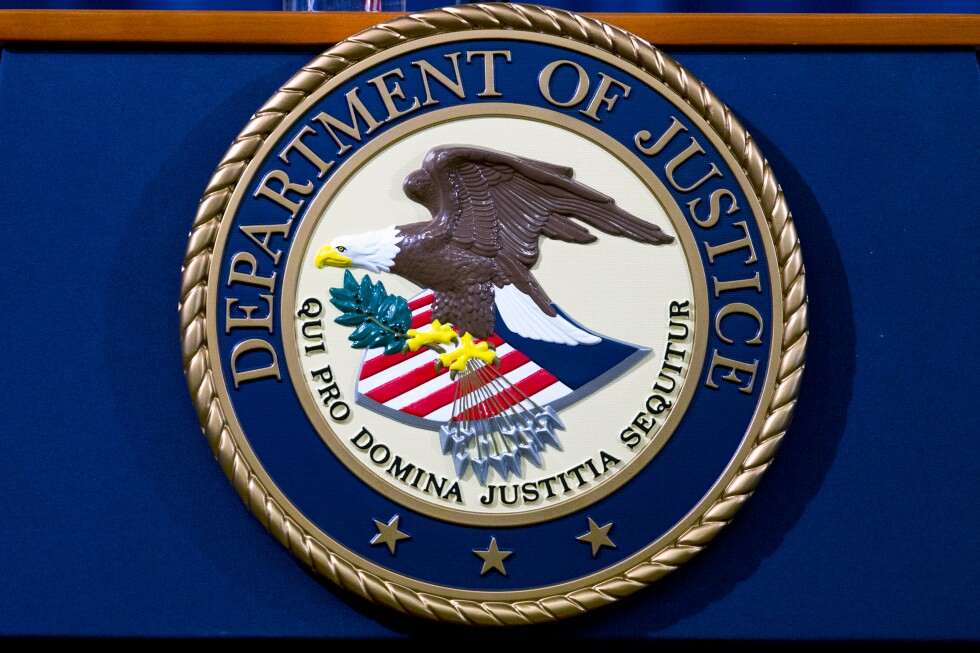
U.S. Attorney Jeanine Pirro, who announced the charges at a Washington press conference, described these cryptocurrency scams as “among the fastest-growing and most financially devastating forms of cybercrime,” costing American victims billions in losses.
“This isn’t abstract. It is hitting your neighbors’, your friends’ and your parents’ retirement accounts,” Pirro emphasized. “Some of these victims are so distraught that they end up taking their own lives. This is economic homicide.”
The investigation revealed a disturbing human trafficking element to these operations. Compound workers interviewed by the FBI reported being held against their will and forced to participate in the scams under threat of violence.
“The criminal syndicates behind these compounds often lure unsuspecting persons to travel to nearby Thailand with the offer of high-paying technical jobs,” the FBI affidavit states. “However, many of these persons instead have their identification documents seized and are trafficked to Myanmar to work in these scam compounds.”
These cyberscam centers have proliferated near Myanmar’s border with Thailand in recent years, despite the Myanmar military government’s public commitments to eliminate such operations. An Associated Press investigation found these criminal enterprises have continued to thrive despite official crackdowns.
The case highlights the growing global concern about “cyber slavery” operations in Southeast Asia, where human trafficking intersects with technology-enabled fraud. Criminal syndicates, often with connections to Chinese organized crime, have established compounds throughout the region, particularly in areas with limited governance or law enforcement capacity.
In addition to the charges against Huang and Jiang, Pirro announced that authorities have taken down hundreds of scam-related websites and seized a channel on the Telegram messaging app allegedly used to recruit human trafficking victims to a similar compound in Cambodia.
“These criminals thought they were untouchable because they were overseas,” Pirro said. “Today, we are proving them wrong, and we are just getting started.”
The cryptocurrency industry has been working to improve security and fraud prevention, but the borderless nature of digital currencies continues to create challenges for law enforcement. These scams typically target individuals unfamiliar with cryptocurrency investments, using sophisticated social engineering techniques to build trust before stealing victims’ funds.
As of Thursday, online court records did not list any attorneys representing the defendants. The case represents part of a broader international effort to combat the growing wave of cryptocurrency fraud and human trafficking operations in Southeast Asia.
Fact Checker
Verify the accuracy of this article using The Disinformation Commission analysis and real-time sources.

28 Comments
If AISC keeps dropping, this becomes investable for me.
Good point. Watching costs and grades closely.
If AISC keeps dropping, this becomes investable for me.
Good point. Watching costs and grades closely.
Good point. Watching costs and grades closely.
Interesting update on US charges 2 Chinese nationals with running Myanmar cyberscam compound. Curious how the grades will trend next quarter.
Good point. Watching costs and grades closely.
Production mix shifting toward World might help margins if metals stay firm.
Good point. Watching costs and grades closely.
Production mix shifting toward World might help margins if metals stay firm.
Good point. Watching costs and grades closely.
Exploration results look promising, but permitting will be the key risk.
If AISC keeps dropping, this becomes investable for me.
Good point. Watching costs and grades closely.
Good point. Watching costs and grades closely.
Exploration results look promising, but permitting will be the key risk.
Good point. Watching costs and grades closely.
Good point. Watching costs and grades closely.
Silver leverage is strong here; beta cuts both ways though.
Good point. Watching costs and grades closely.
Good point. Watching costs and grades closely.
If AISC keeps dropping, this becomes investable for me.
Good point. Watching costs and grades closely.
Good point. Watching costs and grades closely.
Interesting update on US charges 2 Chinese nationals with running Myanmar cyberscam compound. Curious how the grades will trend next quarter.
Production mix shifting toward World might help margins if metals stay firm.
The cost guidance is better than expected. If they deliver, the stock could rerate.
If AISC keeps dropping, this becomes investable for me.