


Listen to the article
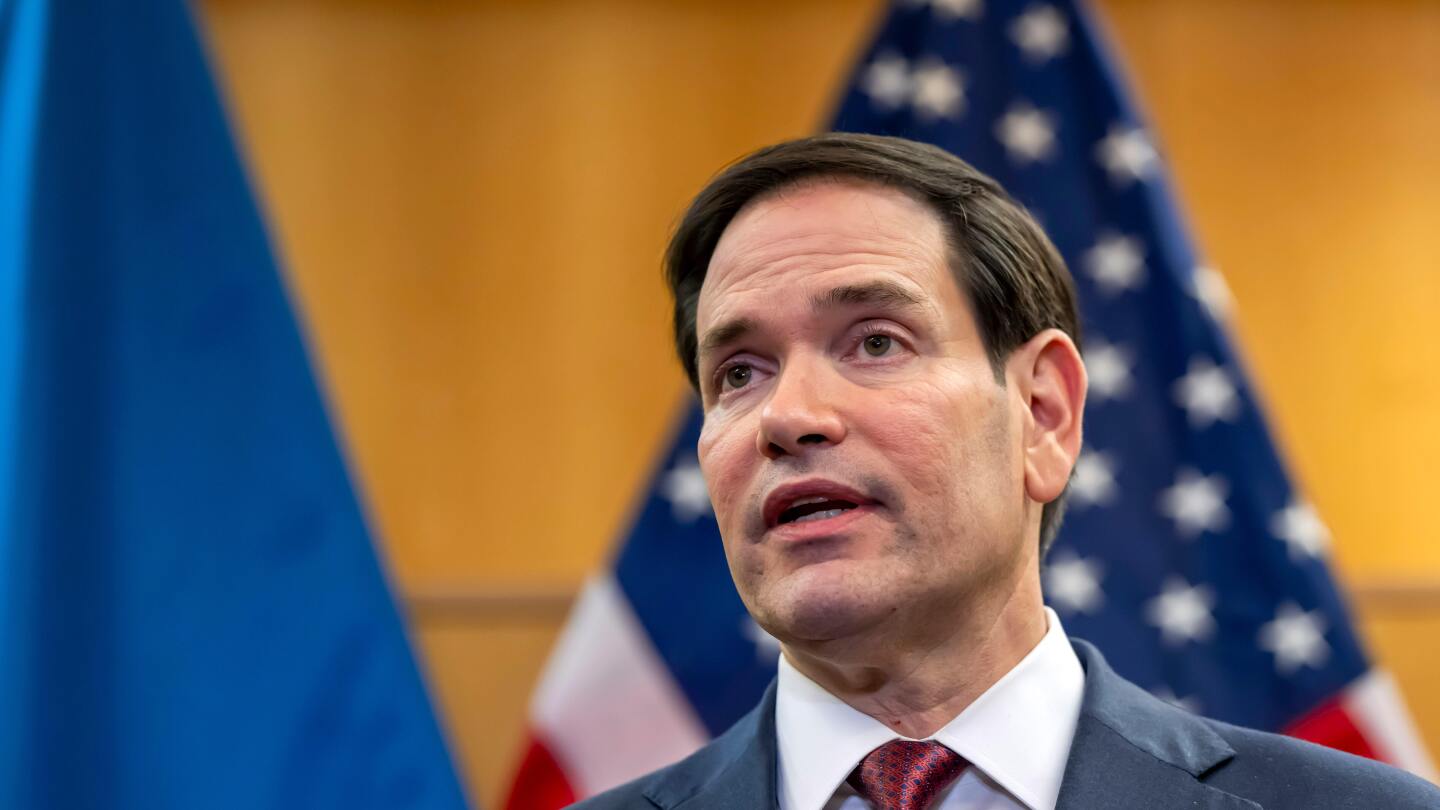
The Trump administration has expanded its sanctions against the International Criminal Court (ICC), targeting two additional judges involved in investigating Israeli officials for alleged war crimes in Gaza. Secretary of State Marco Rubio announced Thursday that Judges Gocha Lordkipanidze of Georgia and Erdenebalsuren Damdin of Mongolia now face potential asset freezes and travel bans to the United States.
This escalation continues a pattern of punitive measures against ICC officials who have pursued investigations concerning Israel and the United States, neither of which are members of the court. The administration had previously sanctioned the former ICC chief prosecutor and nine judicial and support staff members.
“The ICC has continued to engage in politicized actions targeting Israel, which set a dangerous precedent for all nations,” Rubio stated. “We will not tolerate ICC abuses of power that violate the sovereignty of the United States and Israel and wrongly subject U.S. and Israeli persons to the ICC’s jurisdiction.”
The Hague-based tribunal quickly condemned the action, calling it “a flagrant attack against the independence of an impartial judicial institution which operates pursuant to the mandate conferred by its states parties from across regions.” The court emphasized that such sanctions against elected judges and prosecutors undermine the rule of law and threaten the international legal order.
Despite the pressure, the ICC affirmed it would continue its work “with independence and impartiality.” The court consists of 18 judges from different nations who hear cases involving genocide, crimes against humanity, and war crimes.
The Trump administration’s latest move follows a significant decision by ICC judges last year to issue arrest warrants for Israeli Prime Minister Benjamin Netanyahu and former Defense Minister Yoav Gallant. These warrants relate to Israel’s military operations in Gaza following Hamas’s October 7, 2023 attack on Israel, which triggered the ongoing conflict.
Netanyahu firmly rejected the warrants, describing them as “absurd and false actions.” Similarly, Gallant criticized the decision, arguing it “sets a dangerous precedent against the right to self-defense and moral warfare and encourages murderous terrorism.”
The sanctions reflect escalating tensions between the United States and international judicial bodies. The ICC was established in 2002 under the Rome Statute to prosecute individuals for international crimes when national courts are unwilling or unable to do so. However, several major powers, including the U.S., Russia, and China, have refused to join.
Critics of the U.S. sanctions argue they undermine global efforts to hold perpetrators of serious international crimes accountable. Human rights organizations have expressed concern that such actions could embolden other nations to disregard international law and immunize their officials from accountability.
Supporters of the administration’s position contend that the ICC lacks jurisdiction over non-member states and that its investigations of Israel represent politically motivated overreach. They maintain that both Israel and the United States have robust legal systems capable of addressing alleged violations.
The targeted sanctions are part of a broader strategy by the Trump administration to challenge international institutions it views as infringing on American sovereignty or unfairly targeting U.S. allies. This approach has included withdrawing from various international agreements and organizations during Trump’s term.
The ICC’s investigation into the situation in Gaza continues amid the ongoing conflict, which has resulted in thousands of casualties and widespread destruction. As international pressure mounts for accountability on all sides of the conflict, the court’s role remains contentious, particularly as major global powers challenge its authority.
Fact Checker
Verify the accuracy of this article using The Disinformation Commission analysis and real-time sources.

13 Comments
Sanctions against ICC judges set a dangerous precedent for undermining international law and institutions. This could embolden other nations to retaliate against the court.
Exactly, this action could weaken the ICC’s ability to hold anyone accountable for alleged war crimes and human rights abuses globally.
This is a concerning development for the ICC’s independence and ability to investigate potential war crimes impartially. Sanctioning judges raises serious questions about political interference in the judicial process.
I agree, these sanctions appear to be an attempt to undermine the ICC’s authority and credibility. Targeting judges is a worrying escalation.
The US and Israel are not members of the ICC, so it’s puzzling why they feel threatened by the court’s investigations. This seems like a politically motivated move to hinder the ICC’s work.
You make a good point. As non-members, the US and Israel don’t have to recognize the ICC’s jurisdiction, so these sanctions are an aggressive response.
It’s disappointing to see the US continuing to undermine multilateral institutions like the ICC. This approach weakens global cooperation on important issues like human rights and war crimes.
The ICC’s work investigating potential war crimes and human rights abuses is critical. Sanctioning its judges threatens the impartial administration of international justice.
This escalation of sanctions against ICC officials is a worrying development. It could embolden other nations to retaliate against the court and jeopardize its ability to function effectively.
These sanctions raise serious concerns about the US and Israel’s commitment to international law and institutions. It’s troubling to see them take such an adversarial stance against the ICC.
I’m curious to see how the international community responds to these sanctions. Will other countries speak out in defense of the ICC’s independence and authority?
The US claims the ICC is ‘politicized,’ but sanctioning judges suggests political interference in the judicial process. This contradicts principles of impartial, independent justice.
Well said. Accusing the ICC of politicization while using sanctions to influence its decisions is hypocritical and damages the court’s credibility.