


Listen to the article
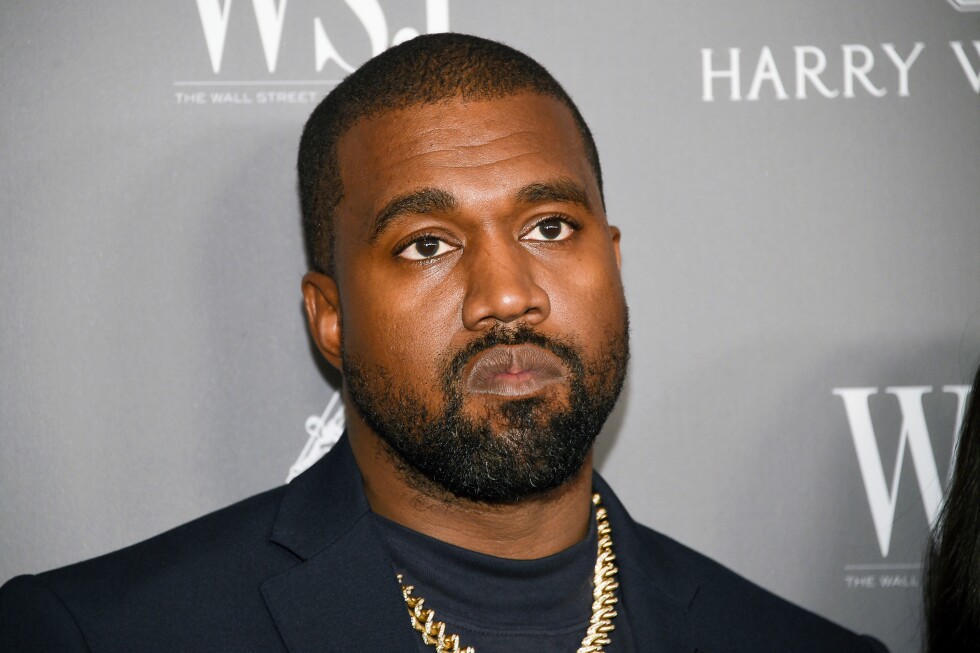
The rapper formerly known as Kanye West has postponed his upcoming concert in Marseille following pressure from French authorities who were actively seeking to ban the event. The announcement comes amid growing international backlash over the artist’s history of antisemitic remarks.
“After much thought and consideration, it is my sole decision to postpone my show in Marseille, France until further notice,” Ye wrote Wednesday in a statement posted on X. “I know it takes time to understand the sincerity of my commitment to make amends.”
The concert had been scheduled for June 11 at Marseille’s iconic Stade Vélodrome, a venue with a capacity of over 67,000. Prior to Ye’s announcement, French Interior Minister Laurent Nuñez had pledged to explore “all possibilities” to prevent the performance from taking place.
Local opposition to the concert had been building for months. Marseille Mayor Benoît Payan had been vocal in his opposition, stating emphatically: “I refuse to let Marseille be a showcase for those who promote hatred and unabashed Nazism. Kanye West is not welcome at the Vélodrome, our temple of community and home to all Marseillais.”
The decision to postpone the French concert follows just a week after British authorities barred Ye from entering the United Kingdom, where he was scheduled to headline the popular Wireless Festival in July. This series of cancellations reflects the continuing fallout from the artist’s controversial statements and actions.
Marseille’s status as one of France’s most multicultural cities, with a rich history of immigration dating back centuries, likely intensified local resistance to hosting the controversial performer. The port city has long been known as a melting pot of cultures from across the Mediterranean region.
Ye has faced widespread condemnation for making antisemitic remarks and expressing admiration for Adolf Hitler in recent years. His controversial actions escalated last year when he released a song titled “Heil Hitler” and advertised swastika-emblazoned merchandise on his website. These provocations led Australian officials to cancel his visa in July 2023.
The 48-year-old artist, who legally changed his name from Kanye West in 2021, attempted to address his behavior with a full-page apology in The Wall Street Journal in January. In the letter, he attributed his actions to his bipolar disorder, describing “a four-month long, manic episode of psychotic, paranoid and impulsive behavior that destroyed my life.”
In his most recent statement about the Marseille postponement, Ye expressed concern for his fans, writing: “I take full responsibility for what’s mine but I don’t want to put my fans in the middle of it. My fans are everything to me. Looking forward to the next shows. See you at the top of the globe.”
The controversy surrounding Ye illustrates the growing consequences public figures face for extremist rhetoric in the entertainment industry. Major music festivals and venues increasingly find themselves balancing artistic freedom with ethical considerations and public pressure when booking controversial performers.
This incident also highlights the transnational nature of such controversies in today’s interconnected world, with authorities in multiple countries taking similar stances against the artist within weeks of each other.
As of now, it remains unclear if or when the Marseille concert might be rescheduled, or whether French authorities would permit such an event in the future. The postponement represents another significant setback for the artist’s attempts to revive his performing career amid ongoing controversy.
Fact Checker
Verify the accuracy of this article using The Disinformation Commission analysis and real-time sources.

10 Comments
This is a complex and concerning situation. While Kanye’s views are troubling, I hope he can use this time to reflect and make sincere efforts to address the harm he has caused. Banning his shows may not be the most constructive approach.
I agree – it’s a delicate balance between condemning hateful rhetoric and allowing free expression. Perhaps open dialogue and education would be a more effective path forward.
While I respect the decision to postpone Kanye’s Marseille show, I hope this leads to a broader discussion about balancing free speech and addressing hateful rhetoric. Outright bans may not be the most effective approach in the long run.
You raise a valid point. There is often a fine line between condemning harmful views and stifling open dialogue. Perhaps this situation can serve as an opportunity for Kanye to meaningfully engage with the community and work towards reconciliation.
I’m not surprised to see the backlash against Kanye’s show in Marseille. His history of antisemitic comments has understandably raised concerns. Postponing the event seems like a reasonable compromise to allow time for further reflection.
That’s a fair point. Providing space for Kanye to acknowledge his mistakes and demonstrate a genuine change of heart could be a more constructive approach than outright banning his performances.
As someone who has followed Kanye’s career, I’m disappointed to see him continue down this troubling path. While his artistic talents are undeniable, his hateful rhetoric is unacceptable. The postponement of the Marseille show is a necessary step.
I agree, it’s a complex issue. Hopefully this experience will prompt Kanye to reflect deeply and take meaningful action to address the harm he has caused. Education and open dialogue may be more effective than outright bans.
The decision to postpone Kanye’s Marseille show is understandable given the controversy surrounding his recent comments. However, I hope this opens the door for more constructive dialogue and a genuine effort by Kanye to address the concerns he has raised.
That’s a thoughtful perspective. Banning his performances may be a short-term solution, but facilitating genuine change and accountability could have a more lasting impact.