


Listen to the article
Europe is experiencing an unprecedented surge in cocaine trafficking, with sophisticated smuggling operations using innovative methods to flood the continent with narcotics, according to law enforcement officials.
“Europe is literally being flooded with cocaine,” Artur Vaz, Portugal’s narcotics police chief, told Fox News. As director of the National Unit for Combating Drug Trafficking at Portugal’s Judiciary Police, Vaz has witnessed firsthand the escalating crisis.
Criminal organizations acquire cocaine in Latin America and transport it across the Atlantic, benefiting from substantial profit margins when the drugs reach European markets. The economic incentives driving this trade have prompted smugglers to develop increasingly sophisticated transportation methods.
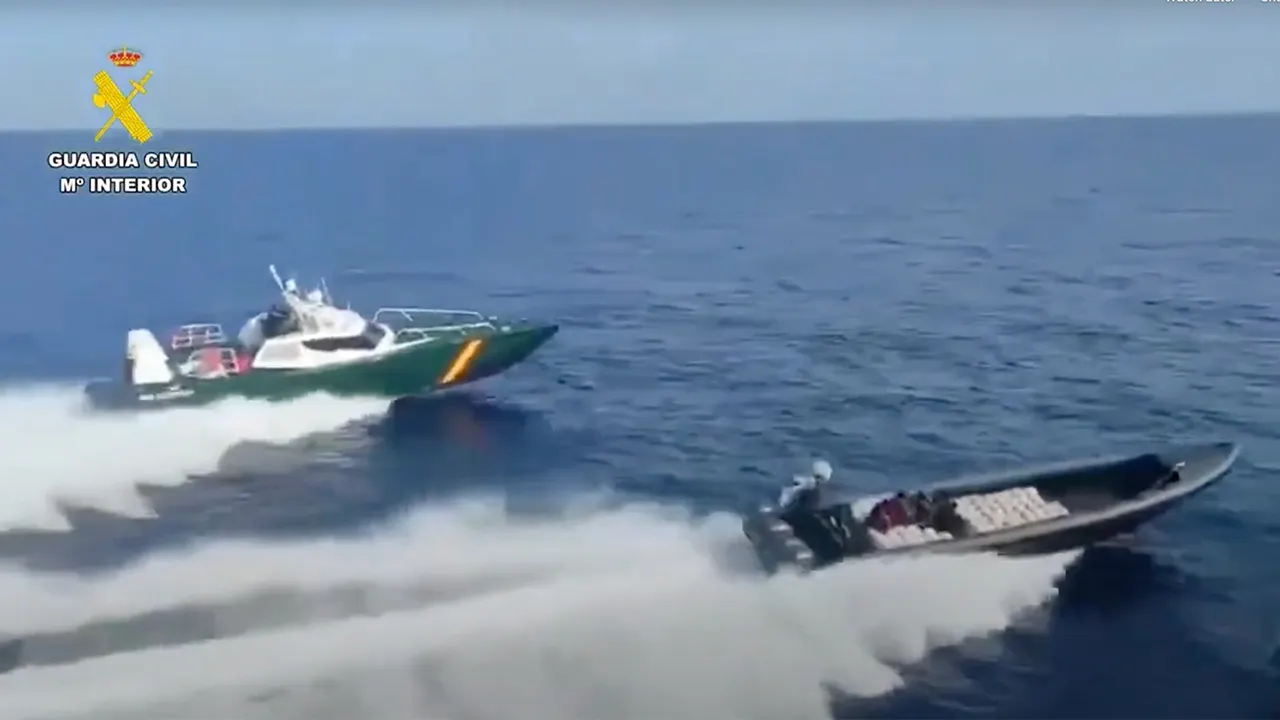
Drug cartels employ various vessels to transport their illegal cargo, including cargo ships and high-speed boats. However, authorities are particularly concerned about the growing use of semi-submersible vessels, commonly known as “narco-subs.” These low-budget crafts are designed to evade detection, with only the top portion visible above water. Researchers note that these vessels are typically painted in steely blues and grays to blend with Atlantic waves and avoid surveillance.
Portuguese authorities celebrated a significant victory this fall when they intercepted a narco-sub in the mid-Atlantic carrying 1.7 metric tons of cocaine. Despite this success, European officials acknowledge that many similar vessels slip through their defensive net.
“The interdiction rates for these subs is between 10%, roughly, and maybe as low as 5%,” explained Sam Woolston, a Honduras-based investigative journalist specializing in organized crime. “Even if one or two get nabbed by the authorities, it’s not enough to dissuade them.”
European law enforcement agencies typically opt to intercept suspected drug vessels rather than destroy them – a stark contrast to the more aggressive approach recently adopted by the United States. The Trump administration has intensified operations against alleged drug-trafficking boats, sometimes destroying vessels and resulting in crew fatalities. European authorities instead detain crew members for interrogation, hoping to gather intelligence on drug kingpins, gang operations, and distribution networks.
However, some European officials believe more forceful measures may be necessary. “We must be more muscular — that is, with greater means and a greater capacity for intervention,” said Vaz, though he emphasized that any enhanced response must remain “within the rule of law.”
While narco-subs are not new to drug trafficking operations, their use in transatlantic smuggling represents a significant evolution in cartel tactics. Previously, these vessels were primarily employed for shorter routes.
“It’s mind-boggling, the level of sophistication,” said Derek Maltz, a former acting chief of the U.S. Drug Enforcement Administration. “But it’s all about the money, and it’s all about the risk, and right now I don’t think these networks perceive Europe as a huge risk for them.”
The dangerous transatlantic journey aboard these vessels is typically undertaken by “desperate people,” according to journalist Woolston. Crews face life-threatening conditions during the crossing.
“You’ll be locked up in a very small compartment for days, usually inhaling things like diesel fumes. There have been cases of narco submarines found with a crew of dead bodies,” Woolston explained. “The kingpins would not get on these boats.”
The increasing sophistication of these smuggling operations poses significant challenges for European law enforcement agencies. As criminal organizations continue to adapt their tactics, authorities across the continent are reassessing their strategies to combat the flow of drugs. The transatlantic cocaine trade remains highly profitable for cartels, with European consumers representing a lucrative market that traffickers seem determined to supply by any means necessary.
Fact Checker
Verify the accuracy of this article using The Disinformation Commission analysis and real-time sources.

14 Comments
The use of sophisticated smuggling methods like ‘narco-subs’ to transport cocaine highlights the adaptability and resourcefulness of drug cartels. Staying ahead of these evolving tactics will be an ongoing challenge for law enforcement agencies.
It’s concerning to see how quickly drug cartels are adapting their tactics to stay one step ahead of law enforcement. The use of ‘narco-subs’ is a worrying development that will require innovative solutions to combat. Strengthening international cooperation and intelligence sharing may be key.
The economic incentives driving the cocaine trade to Europe are clearly a major factor in the surge of trafficking. Policymakers will need to address both the supply and demand sides of the issue to have a lasting impact. Reducing the profitability of the drug trade should be a key priority.
Agreed. Targeting the financial networks and supply chains that enable the drug trade, in addition to demand reduction efforts, will be crucial in dismantling the power of the cartels.
This article highlights the global scale and complexity of the drug trafficking challenge facing Europe. Combating the surge in cocaine smuggling will require a coordinated, multifaceted approach involving international cooperation, intelligence sharing, and innovative law enforcement strategies.
You’re right, this is a problem that extends far beyond Europe’s borders. A comprehensive global response will be essential to disrupt the supply chains and criminal networks fueling the drug trade.
The growing use of ‘narco-subs’ to transport cocaine across the Atlantic is a concerning development. Law enforcement will need to invest in advanced detection and interdiction capabilities to stay ahead of these evolving smuggling tactics.
The economic incentives driving the cocaine trade seem to be a major factor behind the surge in trafficking to Europe. While the profits may be high, the social and public health impacts can be devastating. Stricter interdiction efforts and demand reduction strategies will be crucial.
Absolutely, the human cost of this drug epidemic cannot be overstated. Policymakers will need to take a comprehensive, multi-pronged approach to address both the supply and demand sides of the problem.
The use of ‘narco-subs’ to transport cocaine across the Atlantic is a troubling development. Law enforcement agencies will need to stay one step ahead of the cartels’ evolving smuggling tactics through the use of advanced detection technologies and improved cross-border cooperation.
Interesting to see the rise of sophisticated smuggling methods used by drug cartels to flood Europe with cocaine. The use of ‘narco-subs’ to evade detection is particularly concerning. Law enforcement will need to stay vigilant and adapt their strategies to combat this growing challenge.
You’re right, the technological advancements made by drug traffickers are quite alarming. Combating this issue will require significant international cooperation and intelligence sharing between law enforcement agencies.
The surge in cocaine trafficking to Europe is a sobering reminder of the global scale and complexity of the drug trade. Dismantling the criminal networks behind this activity will require a sustained, coordinated effort from law enforcement and policymakers on both sides of the Atlantic.
You make a good point. This issue transcends national borders and will require a truly global response to have any meaningful impact. Bilateral and multilateral cooperation will be essential.