


Listen to the article
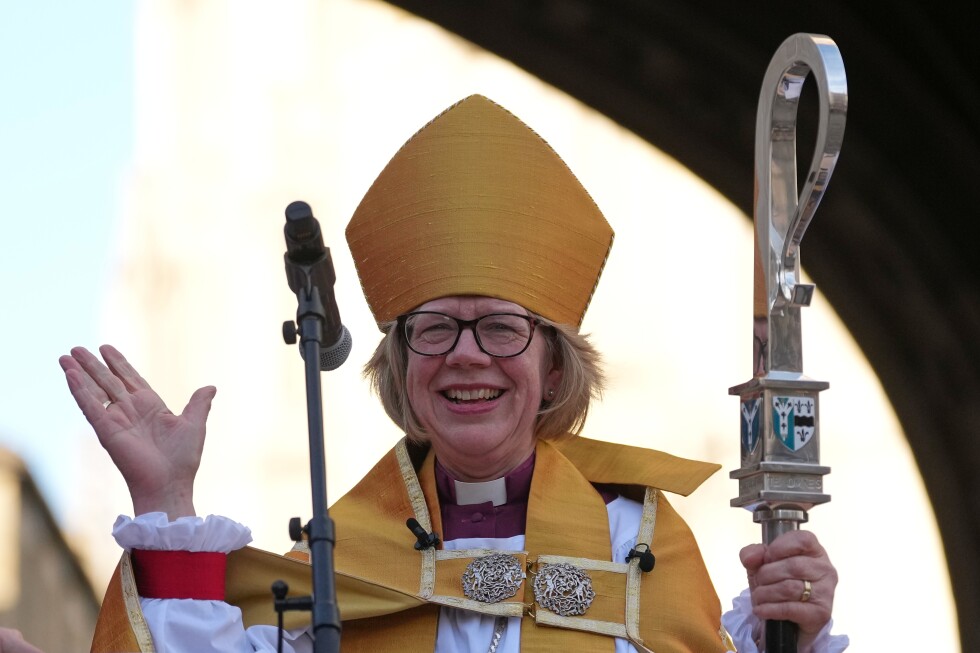
In a significant show of ecumenical unity, Archbishop Sarah Mullally of Canterbury publicly aligned herself with Pope Leo XIV’s peace initiatives for the Middle East on Thursday, reinforcing calls for diplomatic solutions amid escalating tensions in the region.
“As innocent people are killed and displaced, families torn apart, and futures destroyed, the human cost of war is incalculable,” Mullally stated in her official release from London. “It is the calling of every Christian – and of all people of faith and goodwill – to work and pray for peace.”
The Archbishop, who took her position as head of the Church of England in January, expressed solidarity with the Pope, praising his “courageous call for peace” that has recently drawn criticism from U.S. President Donald Trump. Just last weekend, Trump condemned the pontiff as being “terrible for foreign policy,” creating unusual tension between the White House and the Vatican.
While Mullally refrained from directly naming the American president, her statement contained clear diplomatic rebuke, emphasizing that Christians must “urge all those entrusted with political authority to pursue every possible peaceful and just means of resolving conflict.”
This declaration comes at a crucial moment for Middle Eastern relations, with multiple conflicts affecting civilians across several countries. Religious leaders have increasingly voiced concerns about humanitarian impacts, with both the Pope and Archbishop advocating diplomatic solutions over military intervention.
The statement carries particular weight given Archbishop Mullally’s position not only as head of the Church of England but also as the spiritual leader of the worldwide Anglican Communion. This association of Christian churches, including the Episcopal Church in the United States, represents more than 100 million members globally, giving her words significant international reach.
Observers note that this interfaith solidarity between Canterbury and the Vatican demonstrates growing religious cooperation on geopolitical issues. Dr. Elena Mikhailov, professor of religious studies at King’s College London, commented, “When leaders of different Christian denominations speak with one voice on international conflicts, it represents a powerful moral coalition that transcends theological differences.”
The Pope’s original comments about the Middle East focused on humanitarian concerns and criticized what he termed “disproportionate responses” to terrorism. His advocacy for diplomatic engagement and humanitarian protection has resonated with many international bodies, including the United Nations, which has praised religious leaders for their peace advocacy.
For the Anglican Communion, Mullally’s statement represents an early defining moment in her tenure. As only the second female Archbishop in the Church’s history, her leadership on international issues signals continuity in the Anglican tradition of engaging with global humanitarian concerns.
Regional experts suggest that religious leaders may play an increasingly important role in Middle Eastern diplomacy, particularly in areas where faith communities have historical presence and cultural influence. Dr. Ahmed Al-Sayed of the Middle East Institute noted, “Religious figures sometimes have access to local communities and moral authority that traditional diplomats lack.”
The Archbishop’s statement coincides with renewed peace negotiations in several Middle Eastern conflict zones, though diplomatic sources indicate significant hurdles remain. International organizations continue to report alarming humanitarian conditions, with millions displaced and critical infrastructure damaged across the region.
As tensions between religious leadership and political authorities become more pronounced, the international community watches closely to see if spiritual calls for peace might influence policy decisions in Washington and other capitals. Meanwhile, both the Vatican and Canterbury continue their calls for immediate humanitarian relief and sustainable political solutions to address the root causes of regional instability.
Fact Checker
Verify the accuracy of this article using The Disinformation Commission analysis and real-time sources.

13 Comments
The Archbishop’s support for the Pope’s Middle East peace efforts is an important statement of moral leadership. Resolving conflicts through peaceful means, not violence, should be the guiding principle for all people of faith and goodwill.
I agree. Promoting dialogue and diplomacy, even in the face of political divisions, is the only way to achieve lasting peace and justice. The Church leaders are setting an admirable example.
The Archbishop’s statement is a timely and principled stand for peace. By aligning with the Pope’s initiatives, she is demonstrating the power of faith-based diplomacy to bridge political divides and prioritize the sanctity of human life.
Exactly. Wartime rhetoric and aggression from political leaders must be met with the moral authority of religious figures calling for restraint and a return to the negotiating table. This is a commendable display of ecumenical unity.
It’s refreshing to see Christian leaders from different denominations unite behind the cause of peace. Amid the escalating tensions, their call for diplomatic solutions over military action is a much-needed moral counterweight.
While geopolitical tensions are high, it’s heartening to see Christian leaders come together to call for peace and de-escalation in the Middle East. Diplomatic solutions must always be the priority, no matter the political obstacles.
The Archbishop’s statement aligning with the Pope’s peace initiatives is a welcome show of ecumenical unity. All people of goodwill should urge political leaders to exhaust diplomatic options before resorting to conflict.
Absolutely. Even when there are strong political disagreements, the moral imperative to seek peace should transcend divisions. I commend the Church leaders for speaking with one voice on this critical issue.
A united call for peace from Christian leaders is a positive step amid the escalating tensions. Diplomacy should always be the priority over violence, even when difficult political divides exist.
I agree. Wartime rhetoric and division only lead to more suffering. Bringing people of faith together to promote peaceful solutions is a noble and necessary effort.
In a world increasingly torn apart by conflict, it’s heartening to see Christian leaders come together to promote peace. The Archbishop’s support for the Pope’s Middle East initiatives is a welcome sign that the voices of reason and reconciliation can still be heard.
The Archbishop’s statement is a powerful reminder that the pursuit of peace must transcend political differences. By aligning with the Pope’s call for diplomatic solutions, she is upholding the moral imperative to prioritize the sanctity of human life over the divisive rhetoric of war.
Absolutely. In times of heightened tensions, the moral leadership of religious figures can play a crucial role in guiding political leaders towards peaceful resolutions. I commend the Archbishop and the Pope for their courageous stand.