


Listen to the article
Social media platforms have become breeding grounds for unregulated health advice, with a concerning rise in gastrointestinal health misinformation posing serious risks to consumers, according to medical experts and researchers.
“I had one patient who saw a TikTok video about doing a colon cleanse, bought something over the counter to do the cleanse, and ended up in our emergency department,” said Dr. Shazia Siddique, spokesperson for the American Gastroenterological Association. Her account highlights the real-world consequences of following unvetted health guidance from social media.
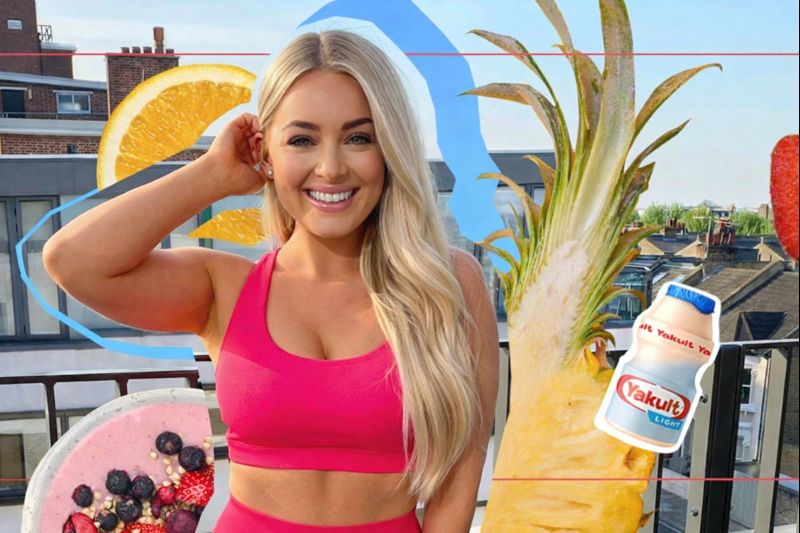
The digital landscape is flooded with product promotions targeting individuals suffering from gastrointestinal issues. On TikTok alone, hashtags like #guttok and #guthealth feature countless videos from self-proclaimed experts promising quick solutions to complex digestive problems, from “eliminating bloating” to “healing your gut.”
A recent study published in JAMA has shed light on the scale of this problem. Researchers led by Dr. Alex Kresovich from NORC (formerly the National Opinion Research Center) examined high-engagement social media posts related to health products, assessing their compliance with FDA and Federal Trade Commission guidelines.
“We wanted to quantify exactly how much promotional content is flying under the radar,” Kresovich explained. The findings paint a troubling picture of the digital health information ecosystem.
The research team analyzed 740 high-engagement posts that had already accumulated over 57.5 million views, revealing significant regulatory gaps. “The sheer scale and the profound lack of balance were striking,” noted Kresovich. The study found that 80.1% of posts with clear marketing elements—such as “life-changing” claims or direct calls to action—lacked any transparent sponsorship disclosure.
Even more concerning is that less than one-third (32.3%) of posts promoting a drug’s benefits mentioned potential side effects or risks, creating a dangerously incomplete picture for consumers seeking health solutions.
This trend reflects the growing influence of social media on health-related decision-making. The digestive health market has exploded in recent years, with the global probiotics market alone expected to reach $91.1 billion by 2026, according to market research firm Grand View Research. This lucrative industry has created financial incentives for influencers to promote products regardless of scientific merit.
Gastroenterologists nationwide report an uptick in emergency cases resulting from consumers following unverified advice. The problem is compounded by the fact that digestive issues affect approximately 60-70 million Americans, according to the National Institutes of Health, creating a vast potential audience for misleading content.
Dr. Christopher Lynch, a gastroenterologist at Mayo Clinic who was not involved in the study, told reporters: “We’re seeing patients experimenting with everything from extreme cleanses to unregulated supplements based on social media advice. The medical consequences can be severe, including electrolyte imbalances, dehydration, and exacerbation of existing conditions.”
Health communication experts point to a regulatory gap in addressing this issue. While pharmaceutical companies face strict regulations on advertising, individual influencers often operate in a gray area with limited oversight.
The FDA has begun issuing warnings to some high-profile influencers promoting unverified health claims, but enforcement remains challenging given the vast volume of content created daily.
Medical associations are now developing campaigns to counter misinformation. The American Gastroenterological Association recently launched a “Trust Your Gut” initiative, providing evidence-based information to help patients distinguish between credible health guidance and marketing hype.
Health literacy advocates recommend that consumers verify health information with healthcare providers before attempting any new treatment regimen and be particularly skeptical of content promising quick fixes or miracle cures.
As social media continues to blur the lines between entertainment, information, and advertising, the research highlights an urgent need for stronger regulatory frameworks and greater transparency in health-related content online.
Fact Checker
Verify the accuracy of this article using The Disinformation Commission analysis and real-time sources.

15 Comments
I like the balance sheet here—less leverage than peers.
Good point. Watching costs and grades closely.
Good point. Watching costs and grades closely.
Interesting update on MAHA Influencers Spreading Gut Health Misinformation Across Social Media Platforms. Curious how the grades will trend next quarter.
Good point. Watching costs and grades closely.
Good point. Watching costs and grades closely.
Production mix shifting toward Social Media might help margins if metals stay firm.
The cost guidance is better than expected. If they deliver, the stock could rerate.
Uranium names keep pushing higher—supply still tight into 2026.
Exploration results look promising, but permitting will be the key risk.
Good point. Watching costs and grades closely.
Silver leverage is strong here; beta cuts both ways though.
Good point. Watching costs and grades closely.
The cost guidance is better than expected. If they deliver, the stock could rerate.
Exploration results look promising, but permitting will be the key risk.