


Listen to the article
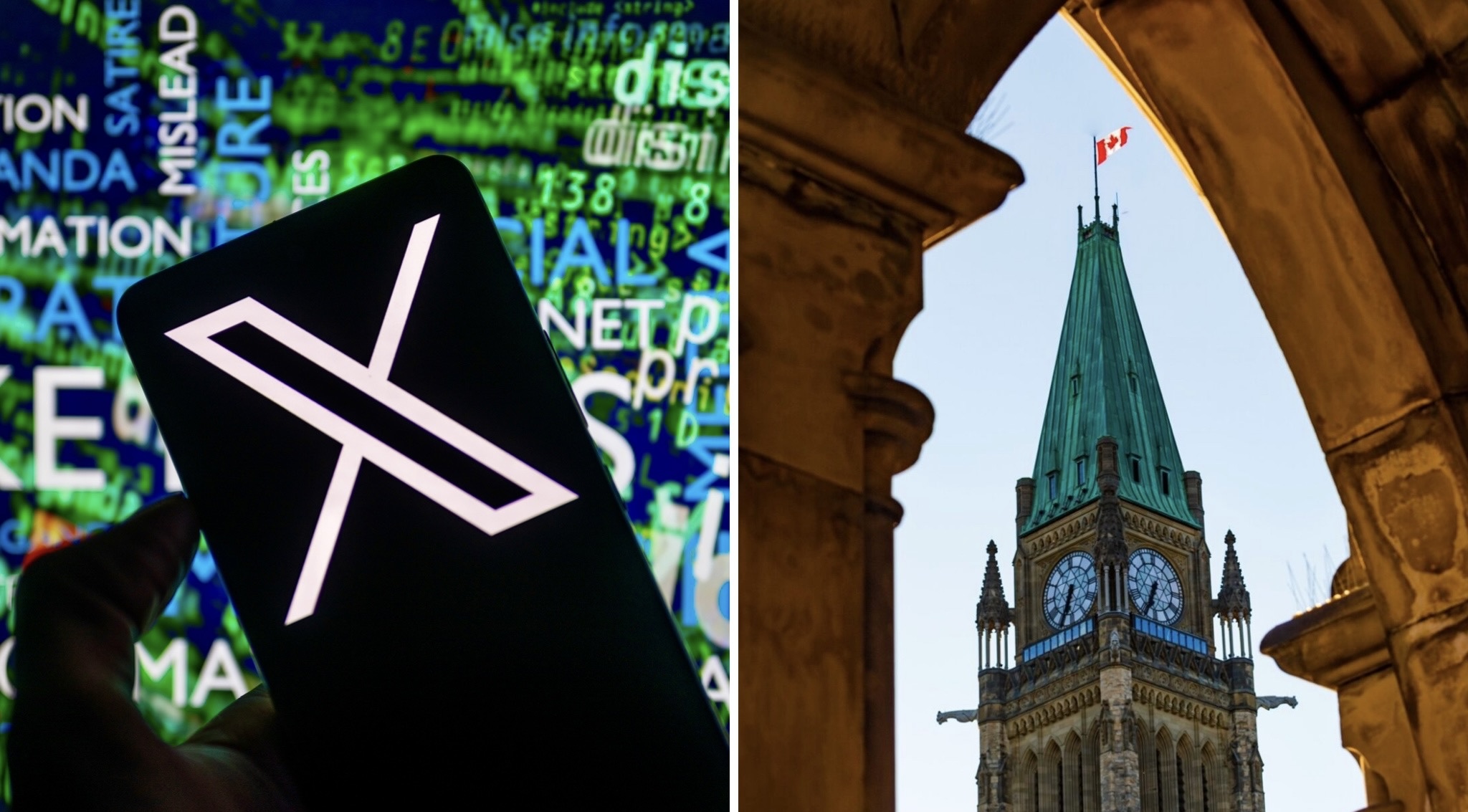
Disinformation Emerges as Critical Threat to Democratic Institutions
Social media disinformation has emerged as a fundamental threat to democratic processes worldwide, fueling extremist movements and hampering meaningful civil discourse. Experts are increasingly concerned about the systematic spread of false information that targets vulnerable populations and undermines trust in democratic institutions.
Recent studies indicate that disinformation campaigns have become more sophisticated, using artificial intelligence and targeted messaging to maximize their impact across multiple platforms. These campaigns often exploit existing social divisions, amplifying polarization and creating ideological echo chambers that resist factual correction.
“What we’re seeing is unprecedented in both scale and effectiveness,” explains Dr. Eleanor Martinez, who specializes in digital media studies at Columbia University. “Social media algorithms are designed to maximize engagement, which often means promoting emotionally charged content regardless of its accuracy.”
The global far-right has particularly benefited from these dynamics. Extremist movements have leveraged disinformation networks to recruit supporters and normalize previously fringe positions. In multiple countries, this has translated into electoral gains and increasing mainstream influence for politicians who routinely spread false narratives.
Democratic institutions are showing signs of strain under these pressures. Voter confidence in electoral systems has declined sharply in countries with high exposure to disinformation, according to a comprehensive survey conducted by the International Institute for Democracy and Electoral Assistance. This erosion of trust creates a dangerous feedback loop, where cynicism about democratic processes further empowers anti-democratic forces.
The challenge extends beyond political campaigns. Public health initiatives, climate change policies, and other science-based government functions face systematic undermining through coordinated disinformation. During recent public health emergencies, false information about vaccines and treatments demonstrably increased preventable harm to vulnerable populations.
Media literacy experts emphasize that countering disinformation requires a multifaceted approach. “This isn’t just about fact-checking,” notes Maria Chen, director of the Center for Media Integrity. “We need structural reforms to how digital platforms operate, alongside significant investment in critical thinking education.”
Several democracies have begun implementing regulatory frameworks aimed at increasing platform accountability. The European Union’s Digital Services Act represents the most comprehensive approach to date, requiring major platforms to assess and mitigate risks related to disinformation. Critics worry these efforts may inadvertently restrict legitimate speech, while supporters argue that unregulated information ecosystems pose the greater threat to expression.
Civil society organizations are also developing innovative approaches. The Digital Democracy Project has pioneered pre-bunking techniques that inoculate audiences against common manipulation tactics before they encounter them. Their research suggests this proactive approach may be more effective than traditional fact-checking, which often comes too late.
“The challenge is fundamentally about preserving the shared reality that democracy requires,” says political scientist James Kowalski. “When basic facts become contested territory, democratic governance becomes nearly impossible.”
Researchers point to several promising signs despite the challenges. Young people are increasingly savvy about information manipulation tactics, and cross-partisan initiatives to establish shared facts have shown success in some communities. Additionally, technological tools to identify synthetic media and coordinated inauthentic behavior continue to improve.
The coming years will prove critical in determining whether democracies can adapt to these information challenges. What remains clear is that addressing disinformation will require sustained effort from governments, platforms, civil society, and citizens committed to preserving democratic values and discourse.
Fact Checker
Verify the accuracy of this article using The Disinformation Commission analysis and real-time sources.
