


Listen to the article
Trump Administration Criticizes SPLC, Defends DOJ Investigation
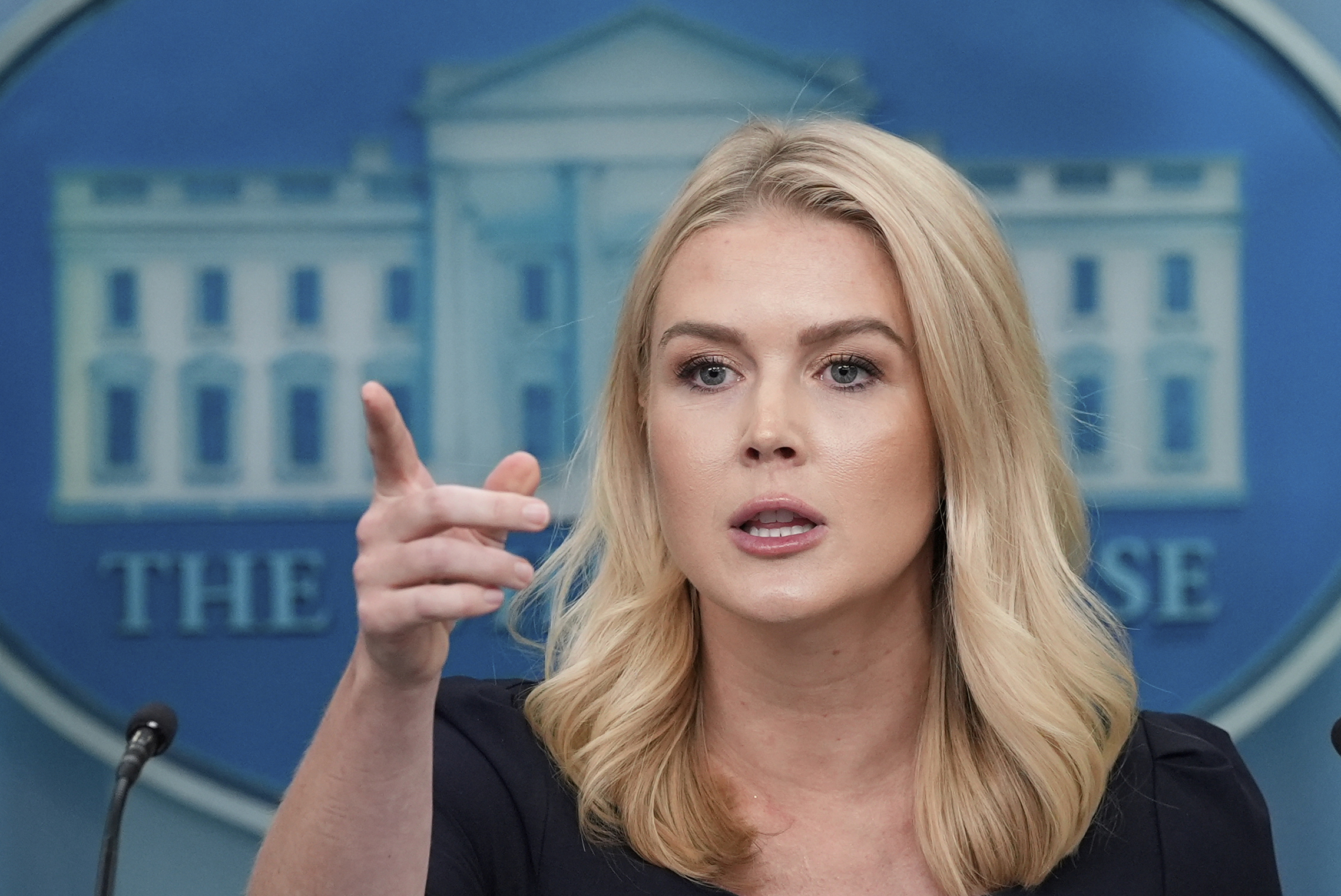
White House press secretary Karoline Leavitt has defended the Trump administration’s Department of Justice investigation into the Southern Poverty Law Center (SPLC), calling the renowned civil rights organization a “criminal organization run by fraudsters.”
In a statement to Fox News, Leavitt claimed the SPLC had transformed from a “very reputable organization” into one that is “paying for and inciting this very racism that they claim to stand against.” She also referenced what she called the “Charlottesville hoax,” suggesting President Biden had launched his campaign on a mischaracterization of events.
The incident Leavitt referred to was the 2017 “Unite the Right” rally in Charlottesville, Virginia, where white supremacist groups gathered, leading to violence and the death of a counter-protester. Then-President Trump’s response to those events, in which he said there were “very fine people on both sides,” became a focal point in political discourse and was later highlighted by Biden during his presidential campaign.
The Department of Justice’s case against the SPLC centers on the organization’s use of paid informants to infiltrate hate groups, which prosecutors claim constitutes fraud against donors and effectively funds those same hate groups. This legal theory has raised eyebrows among legal experts, particularly since the FBI routinely employs similar tactics in its own investigations.
Critics of the DOJ investigation suggest it represents a politically motivated attack against an organization that has consistently documented and opposed far-right extremism. The SPLC has long been known for tracking hate groups and extremist organizations across the United States, publishing annual reports on their activities and maintaining a “hate map” that documents these groups’ presence across the country.
Mary Wynne Kling, a longtime SPLC donor interviewed by The Intercept, expressed frustration with the charges: “It’s simultaneously infuriating and laughable that they’re charging the SPLC with funding hate groups. We knew they were paying informants.” This sentiment reflects the view of many SPLC supporters who see the organization’s infiltration tactics as a necessary means to monitor potentially dangerous groups.
The investigation comes at a time of heightened political tensions, with some observers viewing it as part of a broader pattern of using government agencies to target perceived political opponents. The SPLC has been a frequent target of criticism from conservative figures who disagree with its classifications of certain organizations as hate groups.
The case raises important questions about investigative journalism, non-profit operations, and the fine line between monitoring extremist groups and inadvertently supporting them through paid informants. Legal experts note that if the DOJ’s theory of prosecution were applied consistently, it could potentially criminalize standard investigative practices used by numerous journalistic and watchdog organizations.
Founded in 1971, the SPLC has a long history of civil rights advocacy, initially focusing on legal cases against white supremacist organizations like the Ku Klux Klan. Over decades, it has expanded its mission to monitor various forms of extremism and intolerance while providing educational resources on these topics.
White House Press Secretary Leavitt dismissed media criticisms of the investigation, stating that claims of “weaponization of justice” from the Trump DOJ “couldn’t be further from the truth.” Her comments highlight the administration’s position that the investigation is based on legitimate legal concerns rather than political motivations.
As the case proceeds, it will likely continue to generate significant debate about the appropriate methods for monitoring extremist groups, the relationship between civil rights organizations and the government, and the boundaries of legitimate investigative practices in a democratic society.
Fact Checker
Verify the accuracy of this article using The Disinformation Commission analysis and real-time sources.

14 Comments
This news seems more focused on political controversies than the business and economic aspects of the mining industry. I’d be more interested in hearing updates on commodity prices, new project developments, or regulatory changes.
That’s a good point. While this story touches on related government agencies, the core focus appears to be on partisan political dynamics rather than tangible industry updates. I share your preference for more directly relevant mining and energy news.
Interesting to see the ongoing debate around the Charlottesville events and the SPLC’s role. I’m curious to hear more perspectives on this complex issue.
It’s a sensitive topic with strong opinions on both sides. I think it’s important to look at the facts objectively before drawing conclusions.
The DOJ’s case against the SPLC raises some serious questions about the organization’s credibility and tactics. However, I think it’s important to evaluate the evidence objectively before drawing conclusions.
Agreed. These types of high-profile disputes often involve a lot of rhetoric and posturing. It’s crucial to dig into the facts and nuances rather than simply taking sides.
The Trump Administration’s criticism of the SPLC is concerning, given the organization’s history of defending civil rights. I’m skeptical of attempts to discredit reputable groups.
I agree, we should be wary of efforts to undermine credible institutions, even if we don’t fully agree with their positions. Facts and nuance are important here.
The ‘Charlottesville hoax’ claim seems like a stretch. While the details may be disputed, the broader issues around white supremacy and violence remain deeply troubling.
I’m inclined to agree. Dismissing the core concerns as a ‘hoax’ feels like a problematic oversimplification of a complex, painful situation.
As someone interested in mining and commodities, I’m not sure how this political story relates to my main interests. I’d prefer to focus the discussion on developments in the extractive industries.
That’s a fair point. While this news is politically charged, I agree it may be better to steer the conversation towards more directly relevant topics in the mining and energy sectors.
The dispute over the Charlottesville events is clearly a sensitive and polarizing issue. I think it’s wise to approach it cautiously and try to understand multiple perspectives, rather than immediately taking sides.
Absolutely. Complex sociopolitical topics like this often have nuanced details and historical context that can be easily oversimplified or misrepresented. Maintaining objectivity and an open mind is crucial.