


Listen to the article
Russia Expands African Influence Through Victory Day Celebrations and Media Training
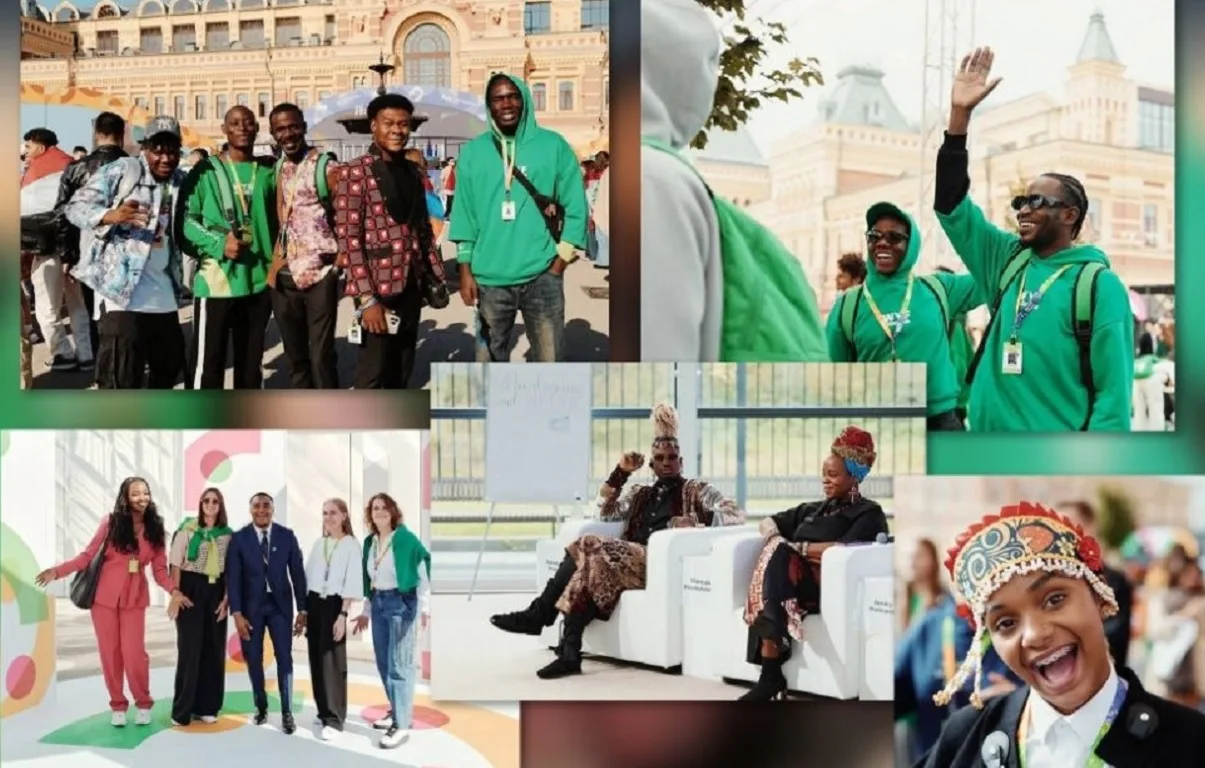
Russian state entities are orchestrating a trip to Moscow for a select group of African bloggers and media professionals to participate in Victory Day celebrations, according to a recent report from Ukraine’s Center for Countering Disinformation (CCD).
The delegation, comprising media representatives from Mali, Niger, Togo, Madagascar, and Tanzania, will visit Moscow as part of what Ukrainian security officials describe as a broader Russian strategy to establish networks of influence across the African continent.
Behind the initiative stands the “African Initiative,” a Russian propaganda outlet currently under international sanctions and reportedly linked to Russian intelligence services. This organization appears to be spearheading efforts to cultivate pro-Russian voices in key African nations.
The program extends beyond merely attending Victory Day celebrations. Participants will undergo specialized training at a “media school” in Kaliningrad, where they will receive instruction in “content verification” and “combating fakes” – presumably following Russian propaganda methodologies. Their itinerary also includes visits to military monuments and propaganda centers throughout Moscow.
“Under the guise of cultural exchange and educational initiatives, Moscow is creating a managed pool of foreign influencers who could potentially become conduits for Russian narratives in their countries,” the CCD stated in its assessment of the program.
This coordinated effort comes as Russia intensifies its soft power initiatives across Africa, particularly in nations where Western influence has waned in recent years. Countries like Mali and Niger, which have experienced recent military coups and subsequent deterioration of relations with Western powers, represent fertile ground for Moscow’s strategic advances.
Russia’s growing footprint in Africa has accelerated since the full-scale invasion of Ukraine in 2022, with the Kremlin seeking to shore up international support and counter diplomatic isolation. Beyond media influence operations, Russia has deployed military contractors, established economic partnerships, and provided security assistance to several African governments.
The selection of countries represented in this delegation is noteworthy. Mali and Niger have pivoted toward Russia following military takeovers that ousted pro-Western governments. Madagascar has historically maintained cordial relations with Moscow dating back to the Soviet era. Tanzania and Togo represent potential expansion targets for Russian influence operations in East and West Africa respectively.
Last month, “Rossotrudnichestvo,” Russia’s federal agency responsible for matters regarding the Commonwealth of Independent States, compatriots living abroad, and international humanitarian cooperation, partnered with the autonomous non-profit organization “Eurasia” to establish a new “Russian House” in Togo. These cultural centers serve as hubs for Russian language instruction, cultural programming, and often function as soft power projection points.
The Victory Day celebrations, commemorating the Soviet Union’s victory over Nazi Germany in World War II, have evolved under President Vladimir Putin’s leadership into a cornerstone of Russian patriotic identity and an opportunity to showcase military might. By including African media representatives in these celebrations, Russia aims to present itself as a triumphant global power and historical defender against fascism.
Media training programs like the one in Kaliningrad serve a dual purpose: they establish lasting relationships with influential communicators while imparting pro-Russian interpretations of global events, particularly regarding the ongoing conflict in Ukraine.
Security analysts note that Russia’s information operations in Africa often emphasize themes of anti-colonialism, sovereignty, and resistance to Western hegemony – narratives that resonate in countries with colonial histories and contemporary grievances against Western powers.
The Ukrainian CCD has repeatedly highlighted Russia’s use of Victory Day symbolism and commemorations as vehicles for propaganda regarding the war in Ukraine, attempting to draw false parallels between the current conflict and World War II.
Fact Checker
Verify the accuracy of this article using The Disinformation Commission analysis and real-time sources.

13 Comments
It’s critical that African countries maintain control over their own media narratives and resist attempts by foreign powers to manipulate local voices. We must stand up for media freedom and fact-based reporting across the continent.
The reported Russian plan to indoctrinate African bloggers and media professionals is extremely concerning. We must stand up for media freedom and fact-based reporting across the continent.
This is concerning news. It’s important to closely monitor Russian influence campaigns targeting African media and bloggers. We should be wary of narratives that serve Russian interests rather than African voices and perspectives.
I agree, we need to be vigilant about foreign propaganda efforts aimed at shaping the African media landscape. Transparent and independent journalism is crucial for the region’s development.
While Russia may claim this is about supporting African media, the reality is likely more sinister. We should be vigilant about foreign powers trying to manipulate local voices for their own geopolitical gain.
Absolutely. It’s crucial that African countries maintain control over their own media narratives and resist attempts at external influence, no matter the source.
The reported Russian propaganda tour targeting African bloggers and media professionals is deeply troubling. We must stand firm in support of media freedom and resist attempts to manipulate local narratives.
I agree, this is a concerning attempt by Russia to expand its influence in Africa through co-opting the media. African nations should be vigilant and protect the independence of their press.
This news highlights the importance of media literacy and the ability to critically evaluate information sources. African citizens should be empowered to discern fact from fiction, regardless of the origin of the content.
You make an excellent point. Developing media literacy skills is crucial so that African audiences can recognize and resist foreign propaganda efforts targeting their information landscape.
Russia’s push to expand its influence in Africa through media manipulation is worrying. Efforts to train local bloggers and journalists should raise red flags – we must ensure African media remains free and impartial.
You’re right, this propaganda tour is likely an attempt by Russia to co-opt African media and spread disinformation. African nations should be cautious about accepting such offers and maintain their journalistic integrity.
This is a worrying development. We must be wary of any initiatives that seek to undermine the independence and integrity of the African media landscape. Fact-based, impartial journalism is the foundation of a healthy democracy.