


Listen to the article
In a concerning development that has heightened tensions over religious freedom in the region, a Sikh woman from Punjab who disappeared during a pilgrimage to Pakistan last November has resurfaced with a new identity, raising serious questions about the circumstances of her apparent conversion.
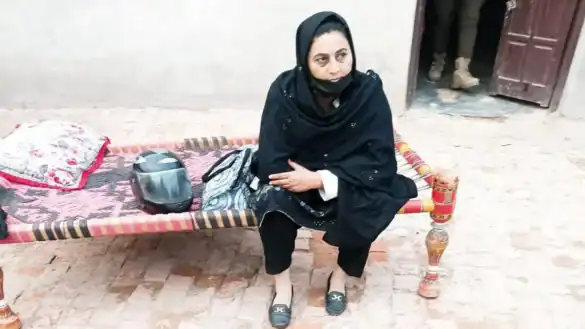
Sarabjit Kaur, who hails from Kapurthala in Punjab, was among pilgrims visiting sacred Sikh gurdwaras in Pakistan during celebrations marking Guru Nanak Dev Ji’s Prakash Purab when she separated from her group. Days later, she appeared as “Noor Hussain” after reportedly converting to Islam and marrying a Pakistani man named Nasir Hussain from Sheikhupura.
The case has drawn significant attention after videos emerged showing Kaur, now presenting herself as Hussain, welcoming Indian devotees and insisting that religious conversions in Pakistan occur without coercion. Her sudden transformation into what some observers describe as a “brand ambassador” for Pakistan’s treatment of religious minorities has sparked skepticism among Sikh organizations and human rights advocates.
Analysts familiar with the region note that the polished presentation and timing of Kaur’s conversion follows what they describe as a recognizable pattern. The orderly sequence of events – a pilgrim’s disappearance, rapid conversion, marriage, and immediate public advocacy – has raised red flags among those monitoring religious freedom issues in the region.
Indian Sikh organizations have expressed profound concern about Kaur’s case, pointing to what they consider suspicious circumstances surrounding her apparent change of faith and identity. These groups highlight the vulnerability of religious pilgrims visiting sacred sites across the border and question whether genuine free will was exercised.
The incident occurs against a troubling backdrop of documented cases involving religious minorities in Pakistan. Human rights organizations, including United Nations bodies and local advocacy groups, have consistently reported on the vulnerability of Sikh and Hindu women in particular. Their findings suggest hundreds of cases annually involving alleged abduction, grooming, forced conversion, and marriage – often accompanied by reports of custody pressure or family threats.
Pakistan’s Sikh community, which represents a small minority in the overwhelmingly Muslim country, has repeatedly voiced concerns about what they perceive as targeted harassment and pressure for religious conversion. Their population has dwindled significantly since partition in 1947, with many citing religious persecution as a driving factor for emigration.
Pakistani authorities, meanwhile, maintain that conversions like Kaur’s represent personal choice and religious freedom. Officials point to court statements affirming “free will” in such cases and reject allegations of systemic issues regarding religious minorities.
Religious freedom advocates counter that such court proceedings often occur under conditions that raise questions about genuine consent, pointing to power imbalances and vulnerable positions that minorities may find themselves in during such processes.
The case highlights the complex religious tensions that continue to characterize India-Pakistan relations, particularly regarding the treatment of religious minorities and pilgrims. The Kartarpur Corridor, opened in 2019 to allow Indian pilgrims easier access to the important Sikh shrine in Pakistan, represented a rare moment of cooperation between the neighboring countries.
However, incidents like Kaur’s alleged conversion threaten to undermine such initiatives and further complicate people-to-people contact across one of the world’s most militarized borders.
As the story continues to unfold, religious freedom monitors warn that cases like Kaur’s must be examined thoroughly through an objective human rights lens rather than being framed exclusively through competing national narratives. The welfare and genuine autonomy of individuals, they argue, should remain central to any discussion of religious conversion in contexts where minorities face documented vulnerabilities.
Fact Checker
Verify the accuracy of this article using The Disinformation Commission analysis and real-time sources.

5 Comments
This is a concerning incident that raises serious questions about religious freedom and coercion in Pakistan. The timing and presentation of this conversion case seem suspicious and warrant further investigation into the circumstances.
I agree, the quick transformation into a ‘brand ambassador’ for Pakistan’s treatment of minorities raises red flags. More transparency and independent verification is needed.
This incident speaks to the broader challenges surrounding religious minorities in Pakistan. It’s crucial that the international community continues to monitor and pressure Pakistan to respect the rights of all its citizens.
Forced religious conversions are a violation of fundamental human rights. Pakistan must uphold its international obligations to protect the religious freedom of all its citizens, regardless of their faith.
Well said. The case of Sarabjit Kaur/Noor Hussain highlights the concerning pattern of such incidents in the region. Pakistan needs to take concrete steps to address this issue.