


Listen to the article
YouTube Bans Pro-Iran AI Animation Channel for Policy Violations
YouTube has removed the pro-Iran animation channel “Explosive Media” from its platform, citing violations of the site’s policies against spam, deceptive practices, and scams, a YouTube spokesperson confirmed to AFP on Wednesday.
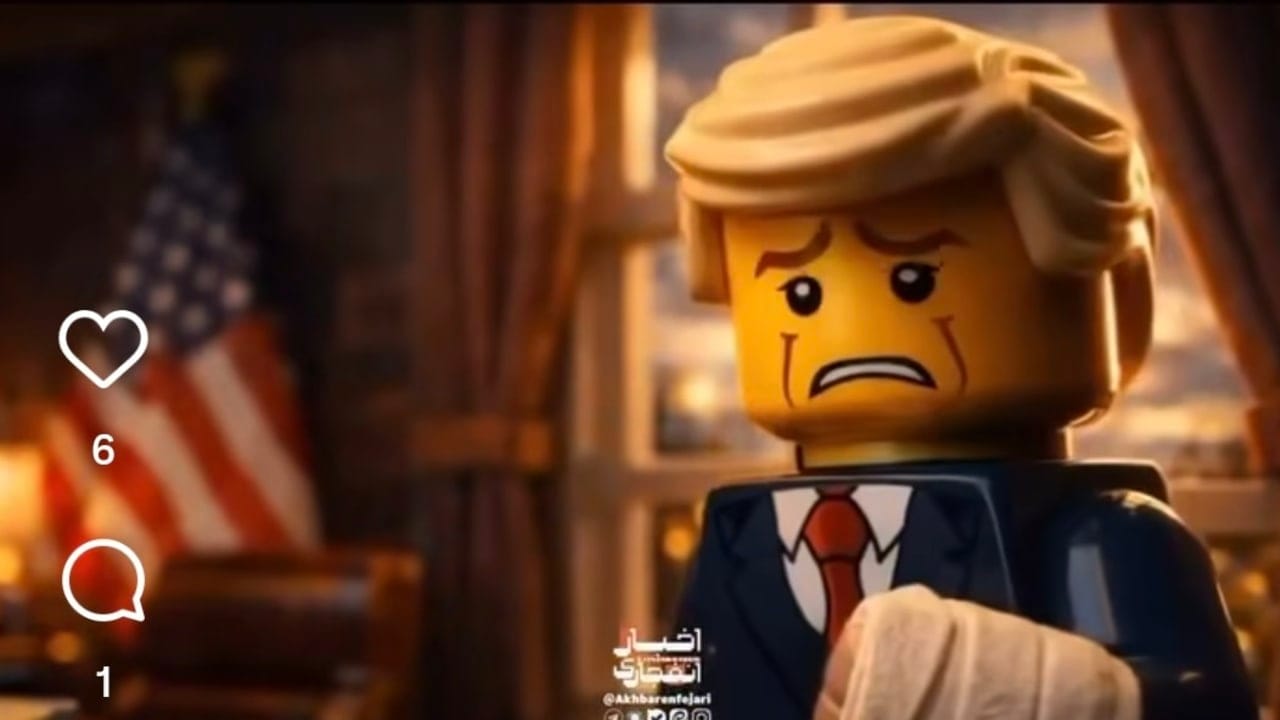
The channel, which had initially been suspended on March 27 before its complete removal, gained significant popularity during Operation Roaring Lion for its distinctive Lego-style AI-generated animation videos that garnered millions of views. These videos frequently promoted pro-Iranian narratives related to ongoing Middle East conflicts.
According to U.S. media reports, Explosive Media has also been removed from Instagram, though the group maintains an active presence on other social media platforms, including X (formerly Twitter) and Telegram.
The AI-generated content produced by Explosive Media represents a growing trend in state-backed propaganda efforts. The distinctive Lego-style animations proved particularly effective at spreading across social media platforms, with Iranian and Russian state media frequently sharing the content on X/Twitter.
In an April 11 interview with the BBC, a representative for the channel who identified himself only as “Mr. Explosive” acknowledged that the Iranian government was a “customer” of the group, though he denied direct employment by the Islamic regime. He claimed his team consists of fewer than ten people and explained they chose the Lego-style graphics “because it is a world language” – suggesting the format’s universal recognizability.
This isn’t the first instance of Iran utilizing AI-generated imagery for propaganda purposes. On March 10, the Islamic Revolutionary Guard Corps-affiliated Tasnim News Agency shared an AI propaganda video featuring Lego characters that blamed Israel and the United States for a strike on a girls’ school in Minab, Iran, on February 28, which Iran claimed killed 168 people. That video, according to a visible watermark, had been generated by the state-run Revayat-e Fath institute.
Media analysts have noted that Explosive Media’s propaganda videos frequently contain significant factual inaccuracies, including false claims about Iran capturing a downed U.S. fighter jet pilot and successful Iranian strikes on key locations across Israel, Gulf States, and U.S. military installations.
The ban comes amid heightened tensions between Iran and Israel, with social media platforms increasingly scrutinizing content that might spread misinformation during geopolitical conflicts. Digital propaganda has become a critical battleground in modern information warfare, with state actors investing heavily in visually compelling content that can easily spread across platforms.
The removal of Explosive Media from major platforms like YouTube and Instagram represents a significant blow to Iran’s digital influence operations, though the group’s continued presence on X and Telegram suggests the challenge of comprehensively limiting such content across the fragmented social media landscape.
For social media companies, the case highlights the ongoing challenges of moderating state-backed influence operations that blend entertainment formats with political messaging, particularly as AI tools make content creation increasingly accessible and sophisticated.
Fact Checker
Verify the accuracy of this article using The Disinformation Commission analysis and real-time sources.

7 Comments
I wonder what other channels or accounts like this may still be active on other platforms. It’s important to stay vigilant and fact-check content, especially when it comes to geopolitical issues.
Agreed. Social media platforms need to continue cracking down on coordinated influence operations like this, no matter the source.
The use of AI-generated content to push pro-Iranian narratives is concerning. It shows how advanced these propaganda efforts have become in leveraging new technologies.
Interesting development in the ongoing battle against state-backed propaganda efforts. These AI-generated animations seem to be a new tactic to spread disinformation more widely.
It’s good to see YouTube taking action against this kind of coordinated disinformation campaign. Removing state-backed propaganda channels is crucial for protecting the integrity of online discourse.
I’m curious to learn more about the specific policy violations that led to this channel’s removal. Transparency around content moderation decisions is important for building trust.
Yes, the details behind the violations would be helpful to understand. Banning channels is a serious step, so the rationale should be clearly communicated.