


Listen to the article
Justice Department Tightens Enforcement of Marijuana Laws on Federal Lands
Federal prosecutors in Wyoming have begun implementing a new Justice Department policy that intensifies enforcement of marijuana offenses on federal land, reversing previous guidelines that had reduced prosecution of minor cannabis violations.
U.S. Attorney for Wyoming Darin Smith confirmed Thursday that his office is actively enforcing the policy, which was issued in late September. “I want to make it clear for all of our law enforcement partners and everybody out there that we are, we have been, and will continue to enforce these laws,” Smith stated.
The Justice Department and Smith’s office declined to provide the exact text of the new directive to The Associated Press, leaving some details of the policy change unclear. However, Smith described it as reversing a late Biden-era approach that had “significantly curtailed” federal prosecution of misdemeanor marijuana offenses.
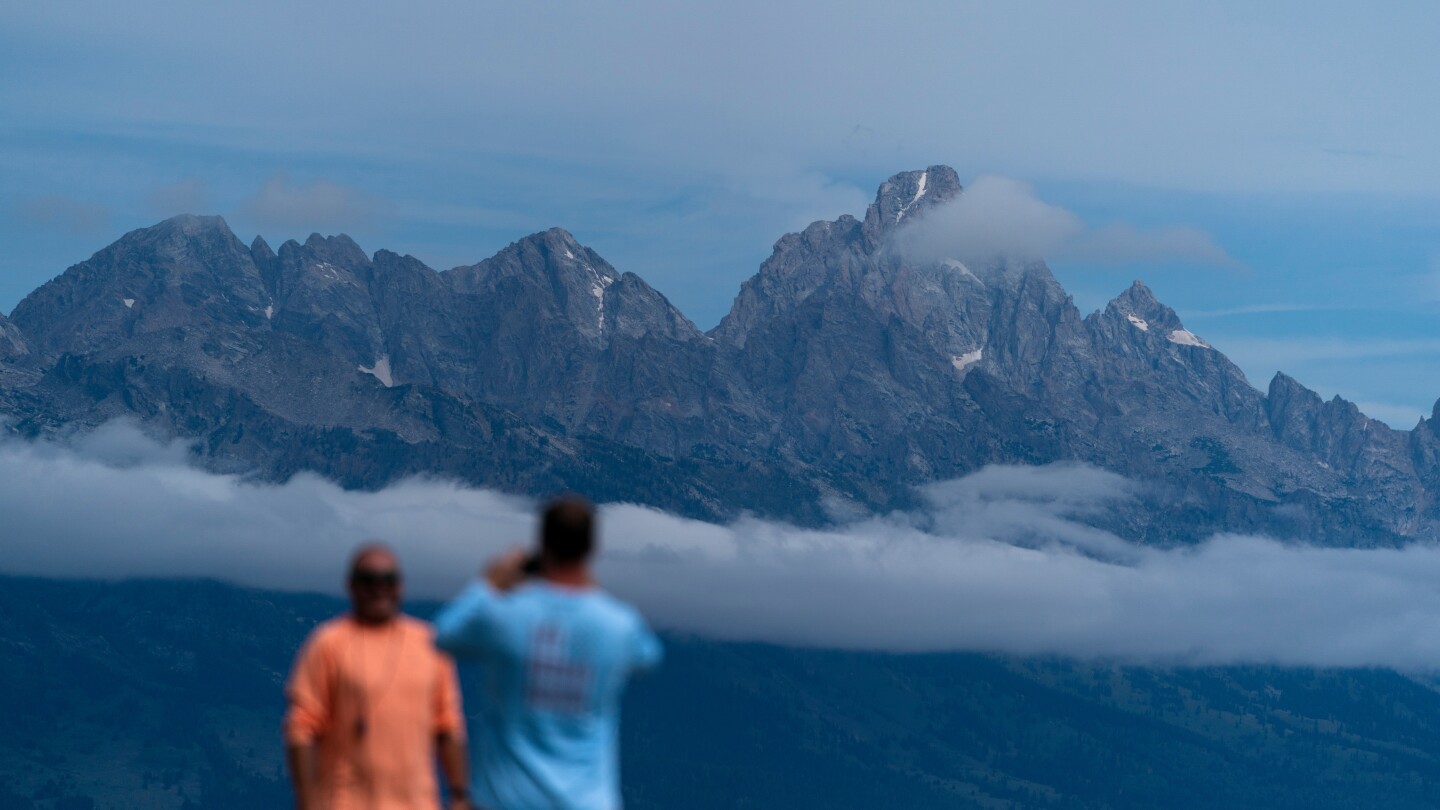
This shift could have significant implications for Wyoming, home to Yellowstone and Grand Teton National Parks, which together attract more than 8 million visitors annually. Like many Western states, Wyoming contains vast tracts of federal land where these stricter enforcement guidelines now apply.
The policy reversal highlights the continuing legal tension surrounding marijuana in the United States. While approximately half of U.S. states have legalized recreational cannabis and most allow medical use, marijuana remains completely illegal in Wyoming under state law. More critically for visitors and residents alike, cannabis is classified as a Schedule I controlled substance under federal law, placing it in the same category as heroin and LSD—substances considered to have high potential for abuse and no accepted medical benefit.
When asked about the new policy, the Interior Department, which oversees the National Park Service and law enforcement on tribal lands through the Bureau of Indian Affairs, declined to comment beyond stating that it continues to enforce controlled substance laws.
Legal experts suggest the practical impact of the policy will ultimately depend on available resources. Laurie Levenson, a Loyola Marymount University professor and former federal prosecutor, noted that the change “gives a lot of discretion back to the federal law enforcement and rangers to decide if they want to bring charges.”
The Interior Department’s recent announcement that it will recruit “500 highly qualified, experienced law enforcement officers” for the National Park Service may enhance enforcement capabilities across federal lands.
Riana Durrett, director of the University of Nevada-Las Vegas Cannabis Policy Institute, suggested potential strategic reasons behind the change, noting that “charging and prosecuting minor marijuana offenses can be useful for investigations into more serious crimes.”
Meanwhile, marijuana advocacy group NORML downplayed the significance of the policy shift. Paul Armentano, NORML’s Deputy Director, said federal authorities never entirely ceased enforcing marijuana laws under the Biden administration. However, he criticized the new approach as “a misplaced use of limited federal resources for the Trump administration to engage in ‘rigorously prosecuting’ those who possess small amounts of cannabis on federal lands.”
The policy marks a shift from the Biden administration’s approach to cannabis. In 2023, President Biden pardoned thousands of people convicted of marijuana use and simple possession on federal lands and in the District of Columbia, addressing longstanding criticism of stringent drug crime legislation he had supported as a senator in 1994.
Former President Trump, who is returning to office in January, said in August that he was considering changes to marijuana regulation. While he acknowledged hearing “great things” about medical applications, he expressed concerns about “bad things having to do with just about everything else” regarding the substance.
Implementation of the new policy beyond Wyoming remains unclear, as U.S. attorneys in other states with significant federal lands, including Arizona and Montana, have not publicly addressed how they plan to enforce the directive in their jurisdictions.
Fact Checker
Verify the accuracy of this article using The Disinformation Commission analysis and real-time sources.

7 Comments
This crackdown on pot in national parks seems heavy-handed. While I understand the need to enforce federal law, a more balanced approach may be better to avoid unduly harming casual visitors. Perhaps they could focus on large-scale operations instead of minor personal use?
I agree, targeting casual users in national parks feels like a waste of resources. Focusing enforcement on more serious offenses would likely be more effective.
Enforcing federal marijuana laws on public lands is a complex issue. There are valid arguments on both sides – public safety vs. individual liberty. I’m curious to see how this policy plays out and whether it achieves the intended goals.
Interesting to see the DOJ tightening enforcement on marijuana in national parks. I’m curious to learn more about the reasoning and whether this policy will be applied consistently across all federal lands, or just in certain areas.
While I understand the intent to uphold federal law, this crackdown seems heavy-handed. Hopefully they can find a way to maintain public safety without unduly harming casual users or impacting park visitation. A nuanced approach would be ideal.
This new policy could have significant impacts on tourism and recreation in Wyoming’s national parks. I wonder if the DOJ has considered the economic implications, or whether public input was sought before implementing the crackdown.
Good point. The economic impact on park tourism should be carefully weighed against the enforcement goals. A more balanced approach may be warranted.