


Listen to the article
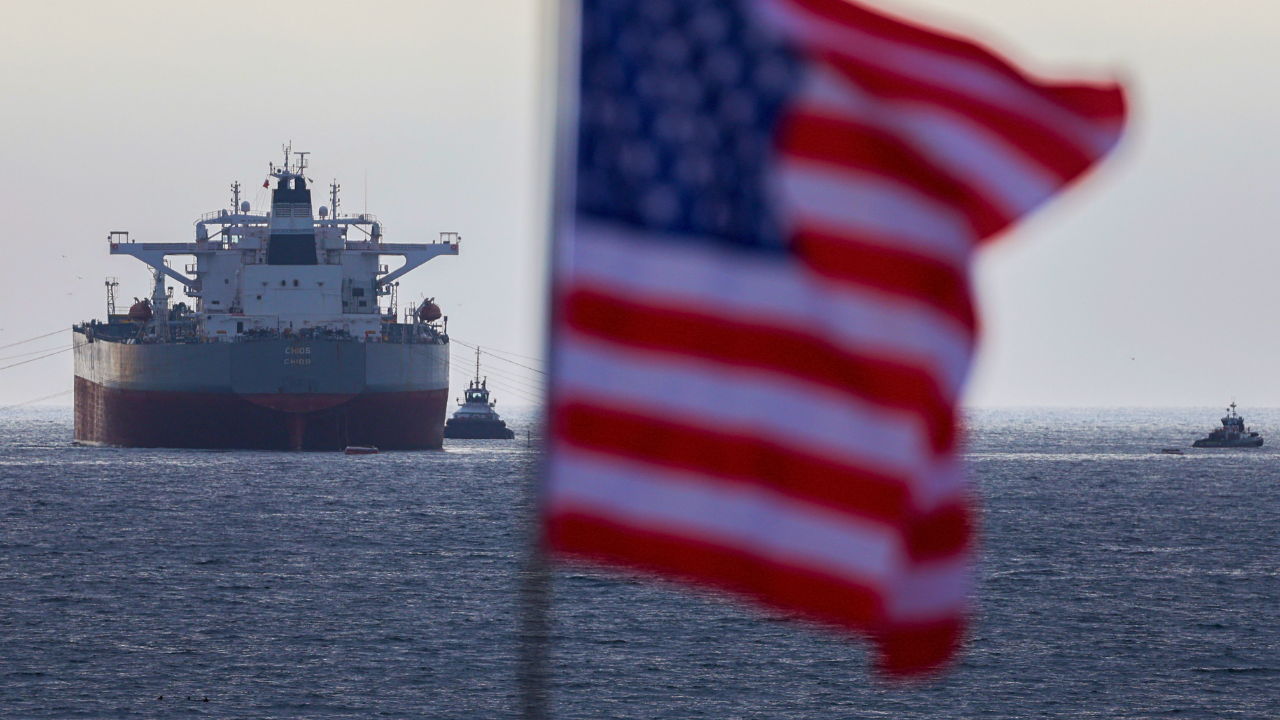
In a strategic shift for the White House, officials are exploring insurance markets as a tool to maintain oil flows through the crisis-prone Strait of Hormuz, as Middle East tensions threaten to disrupt one of the world’s most critical energy corridors.
The narrow passage between Iran and Oman carries approximately 20 million barrels of oil daily—roughly one-fifth of global liquefied natural gas supply—making it perhaps the most strategically significant maritime chokepoint for global energy markets. Recent U.S.-Israeli strikes on February 27 and subsequent Iranian retaliation have heightened risks for vessels navigating these waters, driving up insurance costs and threatening to impact global supply chains.
President Donald Trump has proposed establishing a government-backed insurance program to reduce war-risk premiums for vessels in the region. Under this arrangement, the federal government would absorb a portion of potential losses, easing pressure on private insurers and shipowners while helping to stabilize the flow of vital energy supplies.
“It’s essential for all of these tankers to have insurance. You simply cannot pass through the Strait of Hormuz if you don’t have the insurance, given the high possibility of getting struck by a missile,” explained Matt Smith, an analyst at energy intelligence firm Kpler, in comments to Fox News Digital.
The insurance situation has deteriorated rapidly, with several major maritime insurers—including Gard, Skuld, NorthStandard, the London P&I Club and the American Club—already canceling war-risk coverage for voyages through Iranian and nearby waters. This effectively prevents many vessels from legally transiting the area, as insurance coverage is a baseline requirement for ships operating in high-risk zones.
Not all providers have pulled back, however. Lloyd’s of London, a major insurance marketplace that brings together multiple insurers to cover large, high-risk voyages, reported that its vessels operating in the Gulf region have a combined hull value exceeding $25 billion and confirmed that coverage remains in place. A Lloyd’s spokesperson indicated the market is engaged in discussions with U.S. officials about possible options, while global insurance broker Marsh has also met with Trump administration representatives to explore the government backstop idea.
The stakes for global energy markets are immense. When conflict intensifies in the region, even the threat of disruption can trigger market volatility because so much of the world’s energy supply moves through this single corridor. The resulting chain reaction is well-documented: insurers charge higher premiums to cover ships and cargo, shippers add “war-risk” surcharges, and many vessels slow down, detour, or suspend operations entirely.
These delays and increased costs can tighten supply chains and drive crude prices higher—even without actual changes to oil production volumes. The impact quickly reaches American consumers through higher gasoline prices, which have already begun climbing in response to the regional tensions.
Major shipping companies have started taking precautionary measures. Maersk, widely regarded as an indicator of global ocean freight trends, has suspended all vessel crossings through the Strait of Hormuz until further notice and warned that service to Arabian Gulf ports may face delays. Such decisions by leading maritime operators can rapidly accelerate supply chain disruptions.
The White House’s focus on insurance markets represents a novel approach to managing geopolitical risk in this volatile region. Rather than relying solely on military presence or diplomatic efforts, officials are exploring economic mechanisms to keep vital shipping lanes open.
For American consumers, the implications of this maritime standoff will depend largely on how long the disruption lasts and whether shipping and insurance markets can quickly stabilize. Until then, the delicate balance of global energy security hangs on decisions made in shipping offices and insurance boardrooms as much as in military war rooms or diplomatic chambers.
This new battlefield—fought with insurance policies rather than weapons—may ultimately prove just as consequential for global energy supplies and prices at the pump.
Fact Checker
Verify the accuracy of this article using The Disinformation Commission analysis and real-time sources.

12 Comments
The Strait of Hormuz is a critical global energy chokepoint, so finding ways to ensure the safe passage of oil and gas tankers is essential. A government insurance program could be one part of a broader strategy to mitigate risks in the region.
However, the details of such a program would need to be carefully considered to ensure it achieves the desired outcomes without creating new challenges.
With tensions rising, exploring innovative policy approaches to protect global energy supply chains is prudent. A government-backed insurance plan could help, but it would need to be well-designed to be effective.
Reducing insurance costs for ships transiting the Strait of Hormuz could help, but the broader geopolitical dynamics would still need to be addressed.
Safeguarding the flow of oil through the Strait of Hormuz is critical for energy markets and the global economy. A government insurance program could be one tool, but would likely require cooperation with other nations to be successful.
The details and implementation of such a program would be crucial to ensure it provides effective risk mitigation without introducing new complexities.
Establishing a government-backed insurance scheme for vessels in the Strait of Hormuz is an intriguing idea, but its effectiveness would depend on the specific design and how it’s integrated with broader diplomatic efforts.
Reducing costs and risks for shippers is important, but the fundamental geopolitical tensions in the region would still need to be addressed.
The Strait of Hormuz is a critical energy chokepoint, so finding ways to mitigate the heightened security risks there is essential. A government insurance program could be one tool to help keep oil flowing.
However, this would likely require careful coordination between the US, its allies, and Iran to ensure safety and stability in the region.
Interesting approach to address the complex geopolitical issues impacting global oil supply. Providing government-backed insurance could help stabilize energy markets and trade flows through the Strait of Hormuz.
It’s a creative solution, though it remains to be seen if it would be effective at reducing risks and costs for shippers in the region.