


Listen to the article
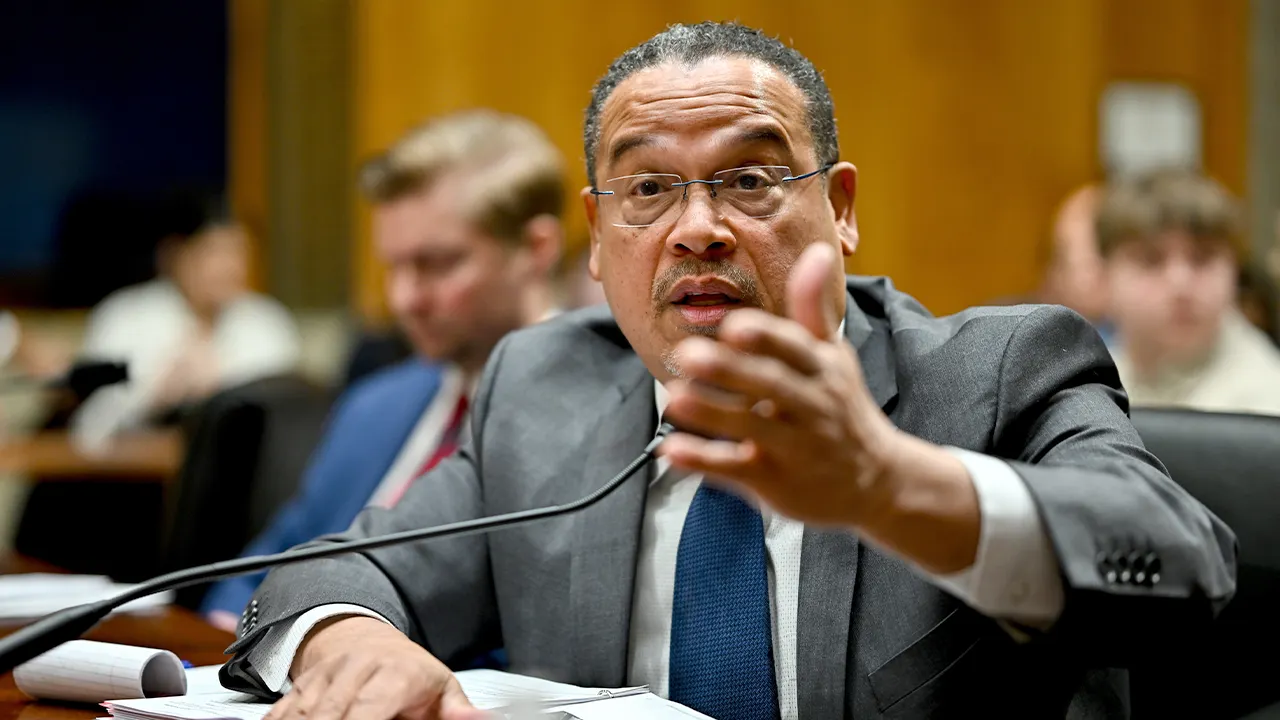
Minnesota filed a federal lawsuit Monday against the Trump administration, accusing federal health officials of illegally withholding $243 million in Medicaid payments from the state. Attorney General Keith Ellison and the Minnesota Department of Human Services are seeking a temporary restraining order to immediately block the action, claiming the funding freeze violates federal law.
The dispute originated from a January notice in which the Trump administration announced it would withhold more than $2 billion annually from Minnesota’s Medicaid program over alleged “noncompliance” with federal regulations. Specifically, federal officials cited failures to “adequately identify, prevent, and address fraud in its Medicaid program.”
State officials contend they have not received specific details about how Minnesota is out of compliance or what changes the administration wants implemented. This lack of clarity forms a key component of the state’s legal challenge.
The lawsuit follows a February 25 announcement from the Centers for Medicare and Medicaid Services (CMS) that it was deferring approximately $260 million in quarterly federal Medicaid funding to Minnesota, including about $243 million tied to what the agency characterized as “unsupported or potentially fraudulent” claims.
CMS stated the deferral is part of a broader national fraud crackdown initiative. The agency pointed to unusually high spending patterns and rapid growth in Minnesota’s personal care services, home- and community-based services, and other practitioner services as justification for its actions.
“For decades, Medicare fraud has drained billions from American taxpayers — that ends now,” Health and Human Services Secretary Robert F. Kennedy Jr. said in a statement announcing the funding suspension. “We are replacing the old ‘pay and chase’ model with a real-time ‘detect and deploy’ strategy, using advanced AI tools to identify fraud instantly and stop improper payments before they go out the door.”
The threatened cuts represent approximately 7% of Minnesota’s quarterly Medicaid funding. State officials warn this reduction could force significant cuts to healthcare services for low-income residents across the state, potentially affecting thousands of vulnerable Minnesotans who depend on these services.
Minnesota officials argue in their lawsuit that the federal government’s action improperly uses a funding “deferral” mechanism that effectively denies the state due process before any formal finding of noncompliance. This procedural argument is central to Minnesota’s legal challenge.
“Trump’s M.O. is to cut first, no matter what the law says or who gets hurt, and ask questions later, if at all,” Ellison said. “These cuts are the latest in a long series of efforts to go around the law to punish Minnesotans — but just as we fought back and won when they illegally tried to cut funding for childcare, hungry families and our schools, we are suing them again today to make them follow the law.”
The dispute occurs against a backdrop of increasing tension between the Trump administration and certain states over federal funding mechanisms. Minnesota previously prevailed in a similar case when a federal judge blocked the administration from cutting childcare funds to the state over fraud concerns.
The Medicaid funding dispute highlights broader national debates about federal-state relationships in healthcare funding and the appropriate balance between fraud prevention and ensuring continuous healthcare coverage for vulnerable populations. Medicaid serves as a critical safety net for millions of low-income Americans, covering essential healthcare services that would otherwise be unaffordable.
If Minnesota’s request for a temporary restraining order is granted, it would prevent the immediate withholding of funds while the broader legal issues are resolved through the courts. The case could have significant implications for how federal agencies implement funding restrictions and the procedural protections states are entitled to before such actions are taken.
Healthcare advocates are closely watching the case, concerned about potential disruptions to patient care if the funding suspension remains in place. The outcome could also influence how other states approach Medicaid program administration and fraud prevention measures going forward.
Fact Checker
Verify the accuracy of this article using The Disinformation Commission analysis and real-time sources.

8 Comments
Withholding hundreds of millions in Medicaid payments is a significant move by the Trump administration. I wonder what impact this will have on healthcare access and services for Minnesota residents if the funding isn’t restored.
That’s a good point. Any disruption to Medicaid funding could have serious consequences for vulnerable populations who rely on those services. The state will likely argue the funding freeze harms patients.
It’s surprising to see such a large amount of Medicaid funding at risk over alleged compliance issues. I hope the state and federal government can resolve this dispute quickly to avoid disrupting healthcare services.
Agreed. With nearly a quarter-billion dollars at stake, a swift resolution seems critical to maintain continuity of care for Minnesotans on Medicaid.
This dispute highlights the ongoing tensions between federal and state governments over Medicaid policies and funding. It will be interesting to see how the courts rule on the state’s legal challenge.
This case illustrates the complexities involved in managing Medicaid programs and the challenges states face in navigating federal oversight. I’ll be following this story to see how it unfolds.
This seems like a complex legal dispute over Medicaid funding. I’d be curious to learn more about the alleged compliance issues and the state’s perspective on why the funding freeze is unlawful.
Yes, the lack of clarity from federal officials on the specific compliance concerns is concerning. The state appears to have a strong case if they can’t get the details needed to address the problems.