


Listen to the article
Magyar Vows to Overhaul Hungarian Public Media, Citing Years of Government Propaganda
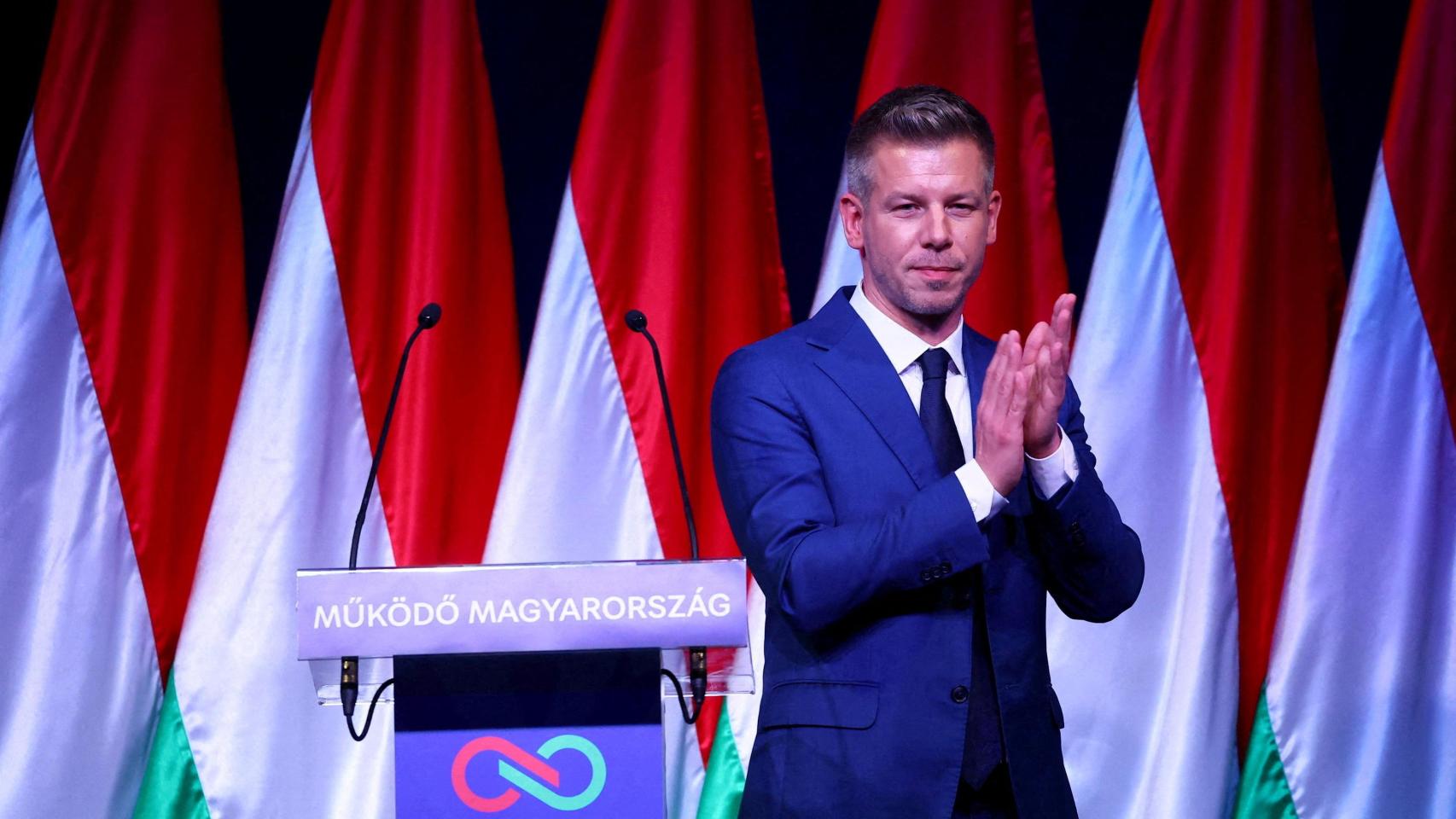
Péter Magyar, Hungary’s incoming Prime Minister following his victory in last Sunday’s elections, announced Wednesday that he plans to suspend public media news broadcasts immediately upon taking office. The dramatic move signals a sharp break with the communication apparatus that has dominated Hungarian media for over 16 years under Viktor Orbán’s leadership.
Magyar’s decision targets what he describes as a deeply entrenched system of government influence over state media outlets. During his second public address this week, he characterized public broadcasters as “mere speakers” for the Orbán regime, echoing longstanding concerns raised by international press freedom organizations.
“Every Hungarian deserves public media that spreads the truth,” Magyar declared during his first interview with state radio Kossuth—ironically one of the outlets most sympathetic to the outgoing government. The future Prime Minister did not mince words, describing the current state media operation as a machinery of “toxic propaganda” that requires immediate intervention.
The planned suspension of news services represents a fundamental challenge to what Magyar calls “the communicative model” that has defined Orbán’s governance since 2010. Reporters Without Borders has repeatedly criticized Orbán as a “predator of press freedom,” documenting how his government systematically constructed a media empire loyal to his Fidesz party and its political agenda.
Independent news organizations have struggled under Orbán’s rule. Conservative weekly Magyar Hang, while politically aligned with right-leaning values but critical of the government, has reported experiencing “economic asphyxiation” and various pressures from Fidesz power structures in recent years.
Magyar’s criticism goes beyond mere policy disagreement, drawing stark historical parallels. He compared media management techniques under Orbán to propaganda methods employed in authoritarian regimes, even referencing Joseph Goebbels’ propaganda machine in Nazi Germany and information control in North Korea as extreme examples of the direction Hungary has been heading.
The incoming Prime Minister described his personal experience with what he called a “systematic information blockade” against his political movement. Despite his Tisza party rising to become the country’s leading political force according to polls, Magyar claims he was not once invited to appear on public television in the past year and a half—a clear indication, he argues, of deliberate media manipulation.
Hungary’s media landscape has been a persistent concern for European Union officials and democracy watchdogs, who have documented the gradual erosion of media independence since Orbán’s return to power in 2010. Through regulatory changes, government advertising, and friendly business acquisitions, pro-government outlets came to dominate both public and private sectors of Hungarian media.
Media experts suggest Magyar’s planned overhaul faces significant challenges. Dismantling entrenched systems while establishing truly independent public broadcasting will require not just personnel changes but comprehensive legal and structural reforms.
The announcement represents just one element of Magyar’s broader platform promising to restore democratic norms and reverse what critics describe as Hungary’s slide toward authoritarianism under Orbán. How these changes will be implemented—and how former government loyalists within media organizations will respond—remains one of the most significant questions facing Hungary’s new political leadership.
As the transition of power unfolds in Budapest, the battle over who controls the narrative in Hungarian media appears to be just beginning, with implications extending far beyond the country’s borders to the wider European debate about press freedom and democratic values.
Fact Checker
Verify the accuracy of this article using The Disinformation Commission analysis and real-time sources.

8 Comments
The Hungarian public deserves an independent and unbiased public media that serves the interests of the people, not the government. This suspension is a necessary step to reform the system and restore public trust.
I agree. The current state media has been heavily politicized and used as a mouthpiece for the ruling party. This shutdown could pave the way for a much-needed overhaul of the public media landscape.
This is a bold move by the incoming Prime Minister to address the long-standing issue of government propaganda in Hungarian public media. It will be interesting to see how this plays out and whether it leads to a more balanced and truthful public discourse.
The suspension of public media news broadcasts is a bold and controversial step, but it seems necessary to address the deep-rooted issues of government influence and propaganda. It will be important to monitor the progress and ensure that the reforms lead to a more balanced and transparent media landscape.
While the decision to suspend public media news broadcasts may seem drastic, it’s understandable given the long history of government propaganda and manipulation. Let’s hope this leads to the establishment of truly independent and objective public media in Hungary.
While the shutdown of public media news may be disruptive in the short term, it’s a necessary measure to break the cycle of government propaganda and restore public trust. I hope this leads to the creation of a truly independent and professional public media in Hungary.
This is a significant move that could have far-reaching implications for media freedom and the quality of public discourse in Hungary. I’m curious to see what the incoming government’s plans are for reforming the public media system.
This decision raises important questions about the role of public media and the balance between government oversight and editorial independence. It will be crucial to ensure that any reforms prioritize the public’s right to accurate and unbiased information.