


Listen to the article
Catholic Universities Hold LGBTQ+ “Lavender Graduation” Ceremonies Amid Controversy
At least 20 prominent Catholic colleges and universities across the United States are hosting separate LGBTQ-affirming graduation ceremonies this spring, sparking debate about religious teaching and institutional identity in Catholic higher education.
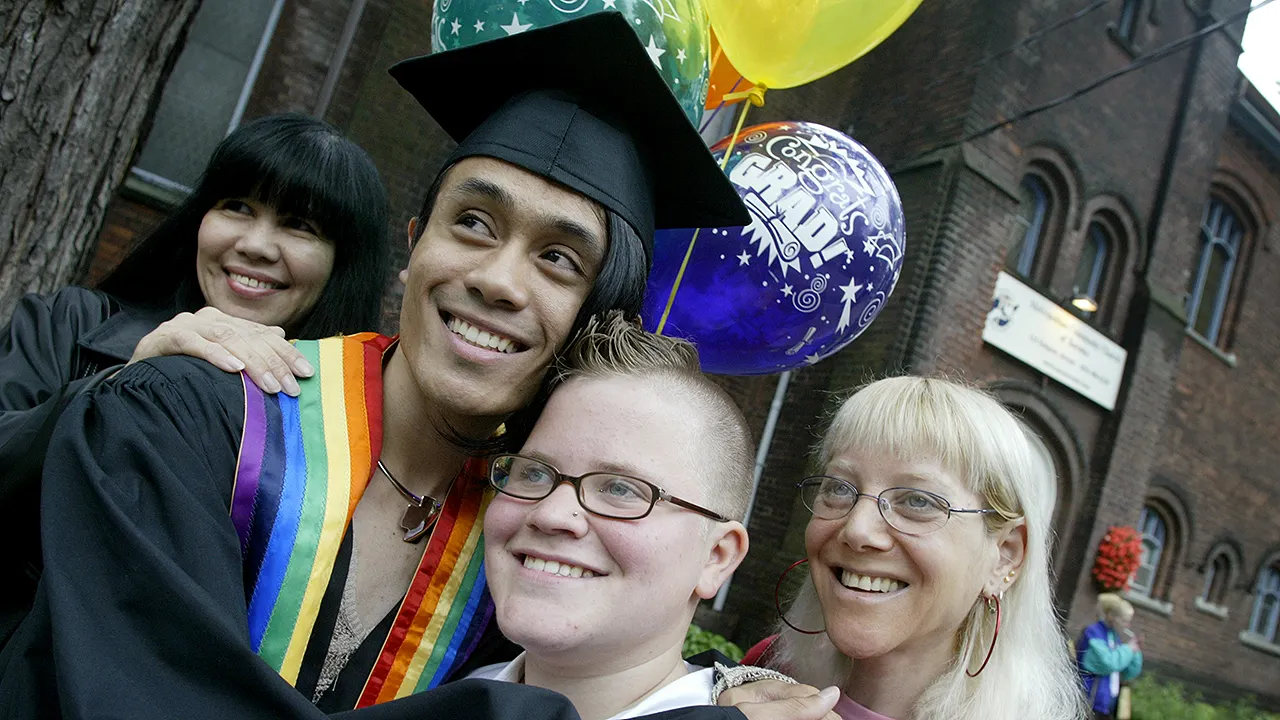
These “lavender graduation” events, held separately from the main commencement ceremonies, are designed to “honor and celebrate the achievements of LGBTQ+ graduates,” according to university websites and social media announcements. The term “lavender” has long been associated with LGBTQ+ identity in broader society, though it carries additional connotations in Catholic circles, where phrases like “lavender mafia” have historically been used by critics to describe alleged homosexual networks within Church institutions.
Seattle University’s celebration will include a performance by “Sativa the Drag Queen,” who is separately headlining an upcoming event called “DICK’S DELUXE DRAG EXTRAVAGANZA.” The University of San Francisco plans to follow its lavender commencement with a “Queer Prom.” Other participating schools offer special recognition, keynote speakers, and unique ceremonial items like rainbow cords or stoles for graduates to wear during the main commencement.
The list of Catholic institutions holding these ceremonies includes some of the most prestigious Catholic universities in America: Georgetown, Gonzaga, Boston College, Fordham, Marquette, and Xavier, among others. Many of these same institutions also host separate cultural graduation events for non-White students.
The Cardinal Newman Society, a Catholic education watchdog organization focused on upholding traditional Church teachings at Catholic institutions, has criticized these ceremonies. In a recent statement, the group argued that while likely intended as “a compassionate gesture to students,” the events “reinforce harmful ideologies about sexuality and gender that contradict Catholic teaching.”
“They potentially lead students into sinful activity and undermine a Catholic college’s claim to teach the truths of the Catholic faith,” the organization added, referencing Catholic doctrine that considers same-sex attraction “objectively disordered,” even while teaching that such attraction itself is not sinful.
These ceremonies highlight ongoing tensions within Catholic higher education as institutions navigate between traditional religious teachings and evolving societal attitudes toward LGBTQ+ individuals. Catholic universities often find themselves balancing their religious mission with desires to create inclusive environments for all students.
The trend comes at a time when the U.S. Conference of Catholic Bishops has taken more assertive positions on related issues. Last year, the bishops voted to officially prohibit gender transition treatments at Catholic hospitals, signaling a more definitive stance on gender identity issues within Catholic healthcare institutions.
For LGBTQ+ Catholic students, these ceremonies can represent important recognition and community affirmation during a significant life milestone. For traditionalist Catholics and organizations like the Cardinal Newman Society, they represent concerning departures from doctrinal orthodoxy.
While Catholic universities have historically enjoyed significant autonomy in how they interpret and apply Church teachings, the growing presence of these ceremonies raises questions about the future relationship between these institutions and Church authorities, as well as the evolving nature of Catholic higher education in a rapidly changing social landscape.
As graduation season continues, these ceremonies will likely remain points of both celebration and controversy, reflecting broader tensions between traditional religious values and contemporary approaches to diversity and inclusion.
Fact Checker
Verify the accuracy of this article using The Disinformation Commission analysis and real-time sources.

16 Comments
This is a complex issue with valid concerns on both sides. Colleges should strive to support all students while also upholding their core religious and academic principles. Finding the right balance will be challenging.
I hope the colleges can engage in respectful dialogue with all stakeholders to develop an approach that promotes unity, understanding, and a true celebration of student achievement.
It’s concerning to see prominent Christian colleges hosting events that seem to contradict core church teachings. This raises complex questions about the boundaries of academic freedom and institutional identity.
I hope the colleges can find a way to balance their religious mission with supporting all students, but the inclusion of drag shows seems particularly problematic from a faith-based perspective.
While I believe in the importance of LGBTQ+ rights and inclusion, the decision of Christian colleges to host separate ‘lavender graduation’ ceremonies raises concerns about the erosion of religious identity and values.
There needs to be a way for these colleges to support and celebrate all students while also upholding their core religious principles. Finding that balance will be crucial.
The inclusion of drag shows at these ‘lavender graduation’ events seems particularly troubling for Christian colleges. That goes beyond simply recognizing LGBTQ+ students and appears to actively endorse practices that contradict core religious teachings.
I would be curious to hear the perspective of the college administrations on how they are balancing their religious identity and mission with the desire to be inclusive and supportive of LGBTQ+ students.
This is a complex and sensitive issue involving conflicting values around religious identity, inclusivity, and personal freedom. There seem to be strongly held views on both sides.
I can understand the desire to celebrate and recognize the achievements of LGBTQ+ graduates, but the inclusion of controversial events like drag shows raises questions about institutional identity and values.
While I believe in the importance of diversity and inclusion, I worry that these ‘lavender graduation’ events may be more about political statements than genuinely honoring and celebrating LGBTQ+ students.
It would be good to hear the perspectives of the LGBTQ+ students themselves on whether these events are truly meaningful and beneficial, or if they risk further marginalization.
The fact that some of these ‘lavender graduation’ events include drag shows is particularly concerning from the perspective of Christian colleges. That seems to go beyond simple recognition and into active endorsement of practices that contradict core religious teachings.
I hope the colleges can engage in open and honest dialogue with all stakeholders to find a way forward that truly supports and celebrates all students while also upholding their religious identity and mission.
While I respect the right of colleges to hold events that celebrate diversity, I wonder if these ‘lavender graduations’ risk further dividing the campus community rather than promoting true understanding and acceptance.
Perhaps there could be a way to honor LGBTQ+ graduates that is more inclusive and less politicized, bringing the whole community together rather than separating it.