


Listen to the article
Southern Poverty Law Center Faces Federal Fraud Allegations Amid Leadership Turmoil
The Southern Poverty Law Center (SPLC) is confronting serious federal fraud allegations, compounding a series of internal challenges that began with a staff revolt less than a year ago. The Justice Department has accused the civil rights nonprofit of using paid informants to infiltrate extremist groups and improperly channeling funds to these same organizations – allegations the SPLC vehemently denies.
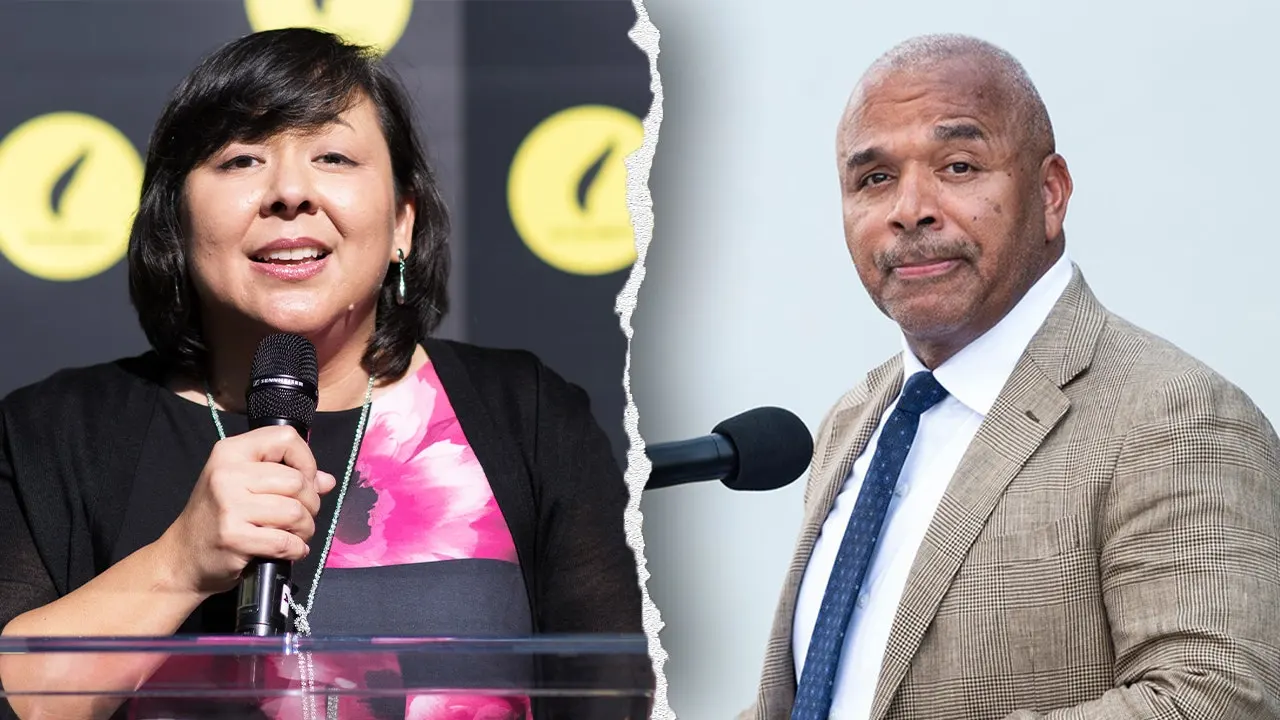
The Montgomery, Alabama-based organization, known for its civil rights litigation and racial justice advocacy, has experienced significant upheaval in its leadership structure. Margaret Huang resigned as president and CEO last July after 92% of staff backed a no-confidence vote against her leadership. While Huang cited family care responsibilities as her reason for stepping down, the resignation followed mounting internal tensions between staff and senior management.
In the wake of her departure, the organization laid off approximately 80 employees – about a quarter of its workforce – in June 2024, according to reports from The Las Vegas Sun.
Bryan Fair, a constitutional law professor from the University of Alabama and former chair of the SPLC board, stepped in as interim president and CEO. He now faces the challenging task of addressing the Justice Department’s allegations, which include charges of wire fraud, bank fraud, and money laundering related to the organization’s use of paid informants.
“This use of informants was necessary because we are no stranger to threats of violence,” Fair stated in a recent video message, characterizing the investigation as politically motivated. “For 55 years, the Southern Poverty Law Center has stood as a beacon of hope, fighting white supremacy and various forms of injustice to create a multiracial democracy where we can all live and thrive. We are therefore unsurprised to be the latest organization targeted by this administration.”
Fair maintained that the SPLC “frequently shared what we learned from informants with local and federal law enforcement, including the FBI” and pledged that the organization would “vigorously defend ourselves, our staff and our work.”
This isn’t the first leadership crisis to rock the SPLC in recent years. In 2019, the organization fired its co-founder and chief trial counsel Morris Dees and removed him from its board, initiating a broader restructuring that eventually led to Huang becoming the organization’s first permanent president and CEO under a new leadership model.
Dees’ dismissal came amid internal allegations of misconduct and workplace culture concerns, including claims of racial discrimination and harassment, according to multiple reports. He was not charged with any crime.
The SPLC’s history dates back to 1971 when it was co-founded by Dees and civil rights attorney Joseph Levin Jr., with civil rights leader Julian Bond serving as its first president. Over the decades, it has built a reputation for tracking hate groups and pursuing legal action against extremist organizations.
The current federal investigation represents one of the most significant challenges in the organization’s history, potentially threatening both its reputation and operational capacity. The Justice Department’s allegations strike at the core of the SPLC’s work monitoring extremist groups, a mission that has defined much of the organization’s identity and public profile.
As the legal proceedings unfold, the SPLC faces the difficult task of defending its investigative practices while maintaining donor confidence and rebuilding internal stability following recent layoffs and leadership changes. The outcome could have far-reaching implications not only for the organization itself but for the broader landscape of civil rights advocacy in the United States.
Fact Checker
Verify the accuracy of this article using The Disinformation Commission analysis and real-time sources.

8 Comments
The leadership crisis and fraud allegations at the SPLC are quite concerning. This type of upheaval could seriously undermine the organization’s important work on racial justice and civil rights. I hope they are able to resolve these issues transparently and regain public trust.
I agree, the SPLC’s reputation and effectiveness could suffer if these problems are not addressed properly. Maintaining credibility is crucial for a group like this.
The SPLC has long been a respected civil rights organization, so these allegations of fraud and internal turmoil are quite troubling. I’m curious to see how they respond and whether they can weather this storm without too much damage to their brand and mission.
Interesting to see the SPLC facing such significant internal and legal challenges. This seems to be a complex situation with allegations of fraud and leadership turmoil. I wonder what the long-term impacts will be on the organization’s civil rights advocacy work.
Yes, the SPLC has long been a prominent civil rights group, so this crisis raises a lot of questions about its future direction and credibility. It will be important to follow how this all unfolds.
The SPLC has historically played a vital role in the fight for racial justice and civil rights. While these allegations are certainly worrying, I hope the organization can address the issues transparently and rebuild trust with both its staff and the public.
Agreed. The SPLC’s credibility and effectiveness will be crucial going forward, so they need to handle this crisis carefully to preserve their important mission.
This is a complex and concerning situation for the SPLC. Allegations of fraud combined with a leadership crisis could significantly impact the group’s ability to continue its important advocacy work. I’ll be following this story closely to see how it unfolds.