


Listen to the article
Weather Influencers Raise Misinformation Concerns as Hurricane Season Approaches
As hurricane season looms just one month away, meteorologists and weather experts are sounding the alarm about a growing trend that could potentially put public safety at risk: the rise of weather influencers on social media platforms who may spread inaccurate or sensationalized information during critical weather events.
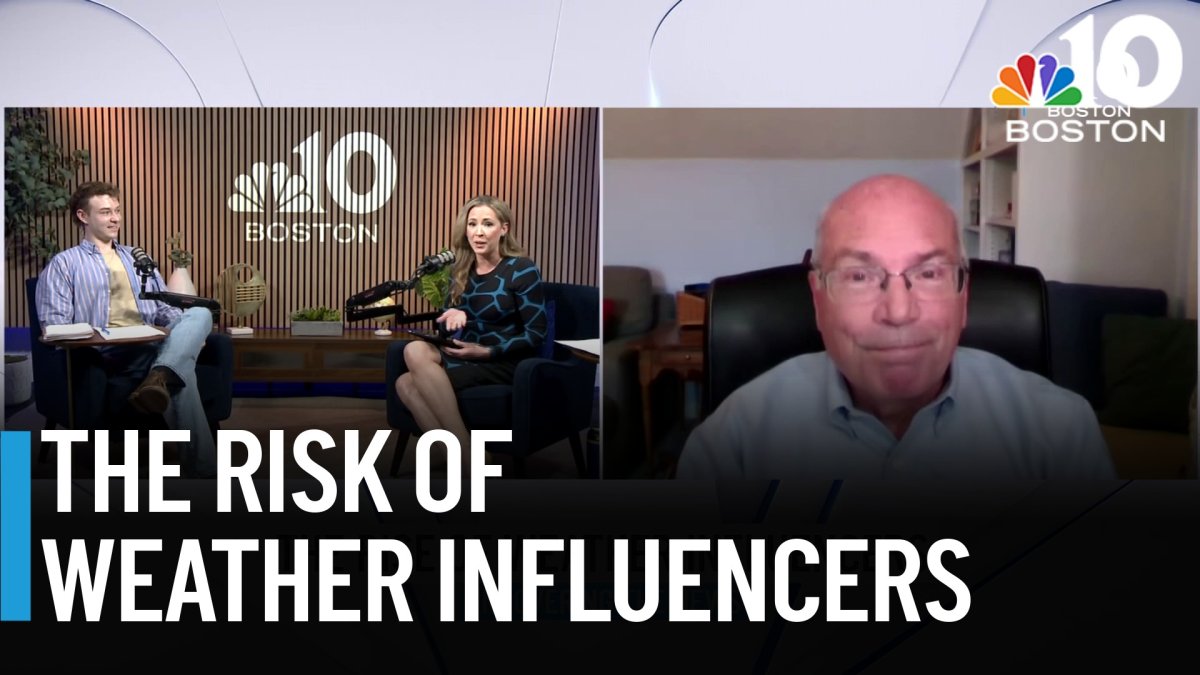
NBC10 Boston meteorologist Pamela Gardner and Keith Seitter, longtime executive director of the American Meteorological Society (AMS), recently joined a special episode of “Uncovering the News” to discuss this emerging challenge and its potential consequences.
“The proliferation of social media has created an entirely new category of weather communicators who often lack formal meteorological training,” explained Seitter. “While many provide valuable local reporting, others may prioritize engagement metrics over accuracy, particularly during high-profile weather events.”
Weather influencers – individuals who build followings on platforms like TikTok, Instagram, and Twitter by discussing weather patterns and forecasts – have gained significant traction in recent years. Some amass hundreds of thousands or even millions of followers, giving them substantial reach during severe weather events when information consumption spikes dramatically.
Gardner emphasized that the concern isn’t with all weather enthusiasts sharing information online. “Many weather communicators without formal meteorological backgrounds still adhere to scientific principles and responsible reporting. The issue arises when predictions become exaggerated for views or when complex meteorological data is misinterpreted.”
This problem becomes particularly acute during hurricane season, which officially begins June 1 and extends through November 30. During this period, accurate and timely information can be crucial for public safety, evacuation decisions, and emergency preparation.
“During a major hurricane or severe weather event, we often see a proliferation of alarmist forecasts showing worst-case scenarios presented as certainties,” Gardner noted. “These can spread rapidly through shares and reposts, potentially causing unnecessary panic or, conversely, creating confusion that leads people to ignore official warnings.”
The National Weather Service, NOAA, and local broadcast meteorologists undergo rigorous training and follow established protocols for communicating threat levels. Their forecasts incorporate uncertainty factors and probability assessments that many influencers may not understand or communicate effectively.
Seitter pointed to several problematic practices among some weather influencers, including sharing outdated model runs, cherry-picking the most extreme forecast scenarios, or misinterpreting technical meteorological data. “We’ve seen instances where influencers share a single dramatic forecast model without context, when professionals know that particular model has known biases or limitations.”
Both experts acknowledged that social media has democratized weather information in positive ways as well, including allowing for real-time reports from areas experiencing severe weather and expanding weather literacy among the general public.
“Many people are developing genuine interest in meteorology through these platforms,” said Seitter. “The challenge is helping audiences distinguish between reliable sources and those who may prioritize engagement over accuracy.”
The American Meteorological Society has responded to this trend by developing guidelines for social media weather communicators and expanding public outreach efforts to improve weather literacy. Several meteorological organizations have also created certification programs that weather enthusiasts without formal degrees can pursue to demonstrate their commitment to ethical standards.
As hurricane season approaches, Gardner recommends that the public rely primarily on the National Hurricane Center, local National Weather Service offices, and broadcast meteorologists for critical weather information while using social media as a supplementary, not primary, source of information.
“The stakes are simply too high when it comes to severe weather,” Gardner emphasized. “Misinformation doesn’t just cause confusion—it can put lives at risk.”
Fact Checker
Verify the accuracy of this article using The Disinformation Commission analysis and real-time sources.

16 Comments
The rise of weather influencers is an interesting trend, but the lack of formal training is worrying. Sensationalized or inaccurate information could have serious consequences, especially during extreme weather events. Meteorologists and weather experts should take the lead in providing reliable, science-based updates.
Absolutely. Weather influencers should be required to clearly disclose their credentials, or lack thereof, to avoid misleading the public. Responsible reporting from qualified professionals is crucial for public safety.
This is an interesting development, but the potential for misinformation is worrying. Weather influencers who lack formal training could spread sensationalized or inaccurate information, which could have serious consequences during extreme weather events. Meteorologists and weather experts should take the lead in providing trustworthy updates.
The proliferation of weather influencers is a concerning trend. While they may provide some local insights, the lack of formal meteorological training raises red flags, especially during critical weather events. Accuracy and public safety should be the top priorities.
I agree. Meteorological authorities need to take a more proactive role in debunking misinformation from unqualified influencers to ensure the public receives reliable, science-based information.
As someone following the mining and energy sectors, I’m curious to see how this weather influencer phenomenon might impact related industries. Unreliable forecasts could disrupt supply chains and operations. Transparent, science-based weather reporting is essential.
Interesting to see the rise of weather influencers. While they can provide valuable local insights, the lack of formal meteorological training is concerning, especially during critical events. Accuracy and public safety should be the top priorities.
Agreed. Meteorologists and weather experts need to take a more proactive role in debunking misinformation from unqualified influencers to ensure the public receives reliable, science-based information.
This is a concerning trend. Weather misinformation can have serious consequences, like misleading people about the severity of an approaching storm. Formal meteorological training is crucial for providing trustworthy weather updates, especially during emergencies.
Absolutely. Weather influencers should be required to clearly disclose their lack of professional credentials to avoid confusion. Responsible reporting from qualified experts is essential for public safety.
As someone invested in mining and energy stocks, I’m concerned about the potential impact of weather influencer misinformation. Accurate forecasts are essential for operational planning and risk management in these industries. Meteorological authorities need to take a stronger stance.
The rise of weather influencers is an interesting development, but their lack of formal training is concerning. Sensationalized or inaccurate information could lead to poor decisions and put lives at risk, especially during major weather events. Meteorologists should take the lead in this space.
Meteorologists and weather experts are right to sound the alarm about weather influencers. While some may provide valuable local insights, the potential for misinformation is high, especially during critical situations. Transparency about credentials is crucial to maintain public trust.
Agreed. Formal meteorological training and rigorous scientific standards should be the benchmark for credible weather reporting, not engagement metrics or entertainment value. Public safety must come first.
As someone interested in the mining and energy sectors, I’m curious to see how this weather influencer phenomenon might impact related industries. Inaccurate forecasts could disrupt supply chains and operations. Transparent, science-based weather reporting is a must.
Good point. Reliable weather data is critical for industries like mining, where operations can be heavily impacted by extreme conditions. Meteorological authorities need to be proactive in setting the record straight.