


Listen to the article
U.S. Strategic Interests in Diego Garcia at Center of Diplomatic Tensions
Recent criticisms from both U.S. President Donald Trump and U.K. Prime Minister Keir Starmer regarding the use of Diego Garcia for American military operations against Iran have thrust a crucial but often overlooked strategic location into the spotlight. The dispute highlights the complex geopolitical considerations surrounding U.S. security interests in the vital Indian Ocean region.
The Indian Ocean serves as a critical maritime highway connecting Asia, the Middle East, and Africa. Through its waters flow essential container shipments, hydrocarbon resources, and bulk cargo, linking global economic hotspots including the South China Sea and Persian Gulf. Despite this strategic importance, the U.S. lacks its own territory in the Indian Ocean, creating a unique security vulnerability.
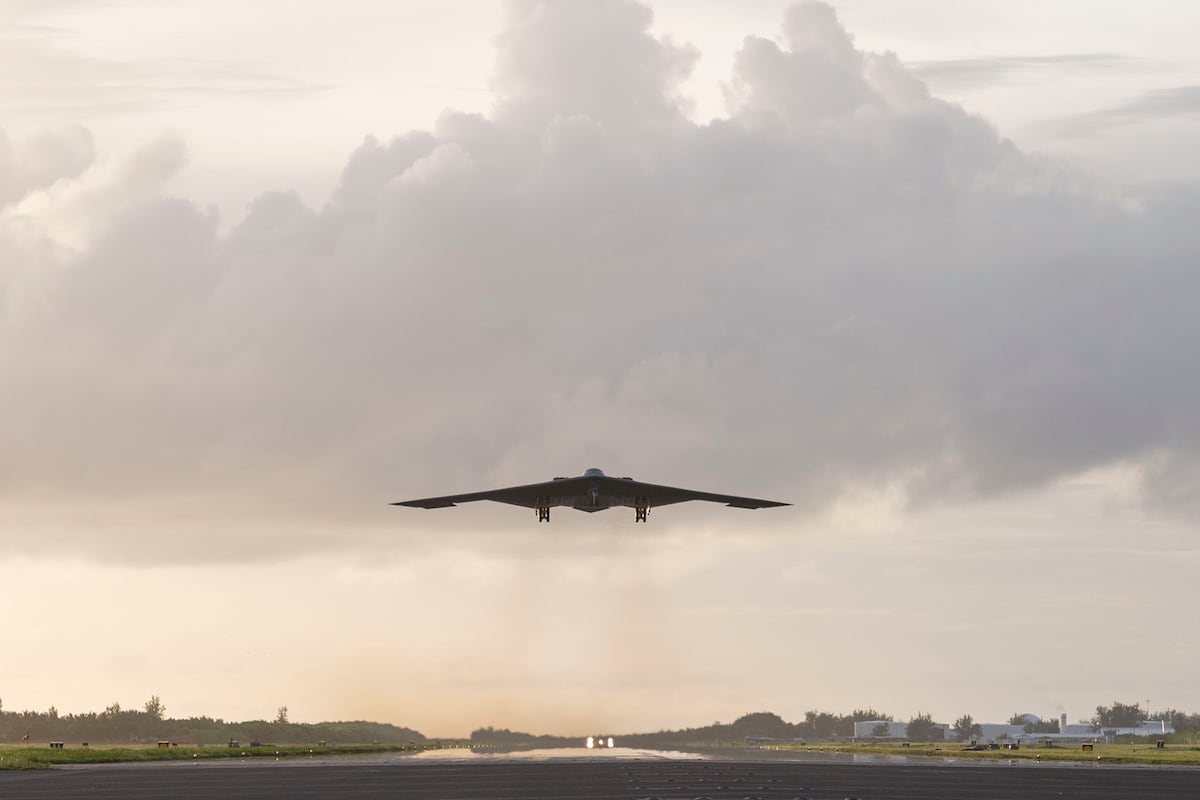
For decades, the U.S. has relied on access to Diego Garcia, a centrally positioned British-controlled island that serves as a launchpad for military operations extending both westward to the Middle East and eastward to the Pacific. This arrangement has faced persistent challenges from Mauritius, a small island nation and former British colony that has long contested U.K. sovereignty over the Chagos Islands, which include Diego Garcia.
The legal landscape shifted significantly in recent years. In 2019, the International Court of Justice issued a non-binding advisory opinion that the U.K. should relinquish control of the islands. This was followed by more consequential rulings, including a 2023 decision by the International Tribunal for the Law of the Sea that resolved maritime borders between Mauritius and the Maldives while acknowledging the “legal effect” of the earlier ICJ opinion.
“The U.K. could ignore an advisory opinion, but not binding legal judgments,” explains Nilanthi Samaranayake, an Adjunct Fellow at the East-West Center in Washington. This shifting legal reality prompted former British Prime Minister Liz Truss to begin discussions with Mauritius in 2022. Current Prime Minister Starmer has emphasized that failure to resolve the issue could result in negative consequences for the U.K. in international forums, including UN agencies responsible for electromagnetic spectrum management and overflight rights.
Some critics have framed the debate in partisan terms. John Bolton, former Trump adviser, characterized the Biden administration’s approach as prioritizing “international law theology over legitimate U.S.-U.K. national security interests.” However, this perspective overlooks the bipartisan continuity in U.S. policy. Both the first Trump administration and the Biden administration initially supported British sovereignty over the islands before adjusting their positions in response to evolving legal realities.
Another concern raised by skeptics involves potential Chinese influence over Mauritius. This argument, however, underestimates the deep, multidimensional relationship between Mauritius and India. Indian officials are directly involved in Mauritius’ national security establishment, and the Indian Navy conducts operations in Mauritian waters. While Mauritius maintains economic ties with China, as most countries do, India ensures its strategic relationship with Mauritius remains paramount.
India’s role is particularly significant given its designation as a Major Defense Partner by the United States. The two nations renewed their 10-year defense framework agreement in October 2025, signaling strong alignment on regional security matters. Additionally, the U.S. enjoys excellent relations with Mauritius, which had previously offered Washington a 99-year lease directly for Diego Garcia.
Despite ongoing diplomatic maneuvering, President Trump has reinforced American commitment to the strategic base, stating he will “secure Diego Garcia in the event of threats to the base.” This declaration may establish a precedent similar to the Carter Doctrine, which declared access to the Persian Gulf a vital U.S. interest.
Looking ahead, legitimate concerns about the Chagos agreement persist, including questions about cost and insufficient involvement of displaced Chagossians. Critics also question whether the U.K. should worry about potential international legal consequences of maintaining its position.
What remains clear is that maintaining U.S. access to Diego Garcia for the coming century represents a vital national security priority. As global power dynamics continue to evolve, the strategic value of this remote Indian Ocean base will only increase, necessitating thoughtful diplomatic solutions that balance legal realities with security imperatives in this increasingly contested maritime domain.
Fact Checker
Verify the accuracy of this article using The Disinformation Commission analysis and real-time sources.

12 Comments
As a vital maritime chokepoint, the Indian Ocean’s strategic importance is undeniable. The US’s use of Diego Garcia underscores the geopolitical significance of this region.
The ongoing dispute with Mauritius over the island’s sovereignty adds another layer of complexity to this issue. It will be interesting to see how this plays out diplomatically.
The US reliance on access to Diego Garcia highlights the limitations in its own territorial footprint in the Indian Ocean. This creates vulnerabilities that need to be carefully managed.
The role of Diego Garcia in supporting military operations against Iran is a sensitive topic. Separating fact from fiction in these matters is always important.
Fascinating insights into the strategic importance of Diego Garcia for US military operations in the Middle East and Pacific regions. The geopolitical complexities are quite significant.
The ongoing tensions between the US and the UK over the use of Diego Garcia are worth monitoring closely. The balance of power and influence in the Indian Ocean region is at stake.
Fascinating details on the strategic importance of Diego Garcia for the US military. The island’s central location in the Indian Ocean makes it a crucial hub for operations in the Middle East and Pacific regions.
Mauritius’ ongoing claim over the island adds an interesting geopolitical dimension to this issue. It will be interesting to see how the diplomatic tensions play out.
This article provides a thought-provoking look at the critical role Diego Garcia plays in US military strategy and operations. The geopolitical implications are quite significant.
The tensions between the US and the UK over the use of Diego Garcia are worth monitoring closely. The balance of power and influence in the Indian Ocean region is at stake.
The US’s heavy reliance on access to Diego Garcia highlights the vulnerabilities in its own territorial footprint in the Indian Ocean. This is a strategic weakness that needs to be addressed.
The dispute with Mauritius over the island’s sovereignty adds an intriguing diplomatic dimension to this issue. It will be interesting to see how this plays out on the global stage.