


Listen to the article
India’s Telangana State Considers New Legislation to Combat Social Media Misinformation
Telangana Chief Minister A. Revanth Reddy announced that the state government is exploring new legislation to regulate social media platforms, citing concerns over the spread of misinformation and false news online. The announcement came during International Women’s Day celebrations on March 8, where Reddy outlined the government’s intention to create stronger oversight mechanisms for digital content.
“We will create a mechanism through which citizens can report false news on social media,” Reddy said during his address. The proposed framework would establish a structured system for addressing complaints about misleading or fabricated content circulating online.
The Chief Minister highlighted the disparity between traditional media outlets, which typically operate under established regulatory frameworks, and social media platforms that lack comparable grievance redress systems. The forthcoming legislation aims to bridge this gap by creating clearer processes for handling complaints about false or misleading content.
According to Reddy, the proposal will undergo review and discussion in the upcoming Assembly session, where lawmakers will examine how such a regulatory system could function effectively within the state’s legal framework.
A key aspect of the proposed legislation involves distinguishing between professional journalists and individuals who falsely claim media credentials. Reddy expressed concern about the misuse of journalistic identities for personal gain or to manipulate administrative systems, suggesting that stronger oversight could protect the credibility of legitimate media professionals.
“There are people who misrepresent themselves as journalists without proper qualifications or ethical standards,” Reddy noted. “This legislation would help separate authentic reporting from impersonation and exploitation.”
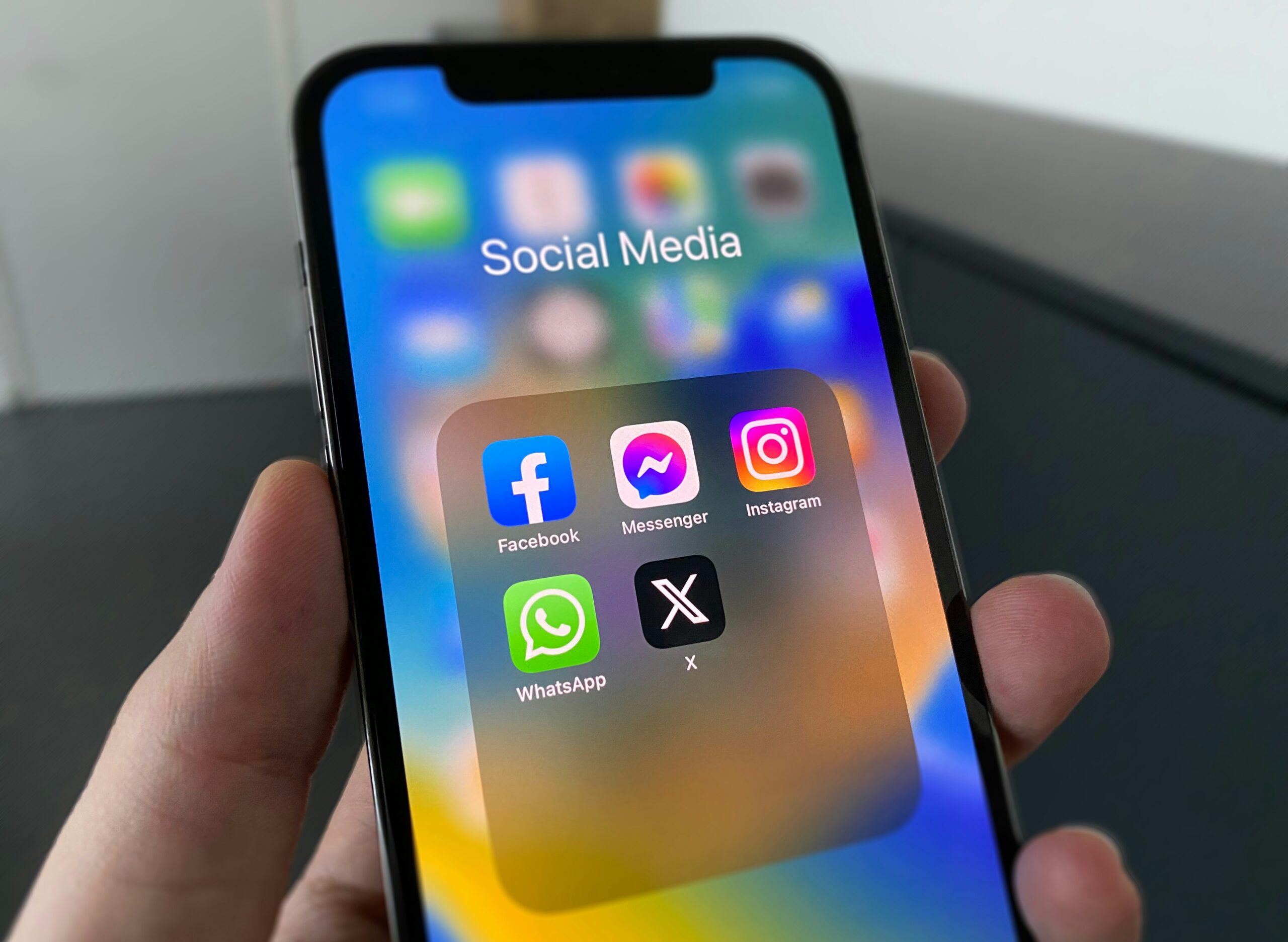
The Telangana initiative emerges amid growing concerns across India about the proliferation of false information on social media platforms and its potential to influence public opinion, incite violence, or undermine democratic processes. Digital literacy experts have long pointed to the rapid spread of misinformation through WhatsApp, Facebook, Twitter, and other platforms as a significant challenge for governance and social cohesion.
This regulatory push aligns with similar efforts in other Indian states. Karnataka notably introduced the Karnataka Misinformation and Fake News (Prohibition) Bill in June 2023, which proposes criminalizing the deliberate spread of false information online and establishes a state authority to monitor digital content. The Karnataka bill has sparked debate regarding state governments’ jurisdiction over online speech and potential conflicts with existing central government regulations.
India’s central government has already implemented the Information Technology (Intermediary Guidelines and Digital Media Ethics Code) Rules, 2021, which require social media platforms to establish grievance redressal mechanisms and remove content deemed harmful or unlawful when officially notified.
The Telangana proposal enters a complex global landscape of approaches to online misinformation. Countries worldwide have adopted diverse strategies, from Singapore’s Protection from Online Falsehoods and Manipulation Act, which grants the government broad powers to order content removal, to the European Union’s Digital Services Act, which focuses on transparency and platform accountability rather than direct content regulation.
Digital rights advocates have expressed concerns about potential overreach in such regulations, warning that overly broad definitions of “false information” could potentially infringe on free speech or be weaponized against political opponents. Meanwhile, supporters argue that unchecked misinformation poses genuine threats to public safety and democratic processes.
The Telangana government has not yet released specific details about how the proposed legislation would define misinformation or what penalties might apply to violations. These specifics are expected to emerge as the proposal advances through the legislative process in the coming months.
Fact Checker
Verify the accuracy of this article using The Disinformation Commission analysis and real-time sources.
