


Listen to the article
The recent spread of misinformation surrounding solar energy in Taiwan has created new obstacles for the government’s renewable energy expansion efforts, particularly after Typhoon Danas damaged floating photovoltaic arrays in the southwestern region of the country in early July.
Following the typhoon damage, a video began circulating online that appeared to show a bird drinking from a reddish puddle near broken solar panels, then suddenly collapsing and dying. This footage quickly fueled public fears that toxins from damaged panels were contaminating water sources, especially concerning since Taiwan has deployed photovoltaic systems on multiple reservoirs and fish farms.
Taiwan’s Ministry of Environment responded swiftly, conducting on-site tests at Sinjhuang Flood Detention Pond in Chiayi County’s Yijhu Township on August 7. The tests detected neither heavy metals nor oil in the water, with normal pH levels. Officials attributed the reddish water coloration to naturally occurring humic acid in the soil.
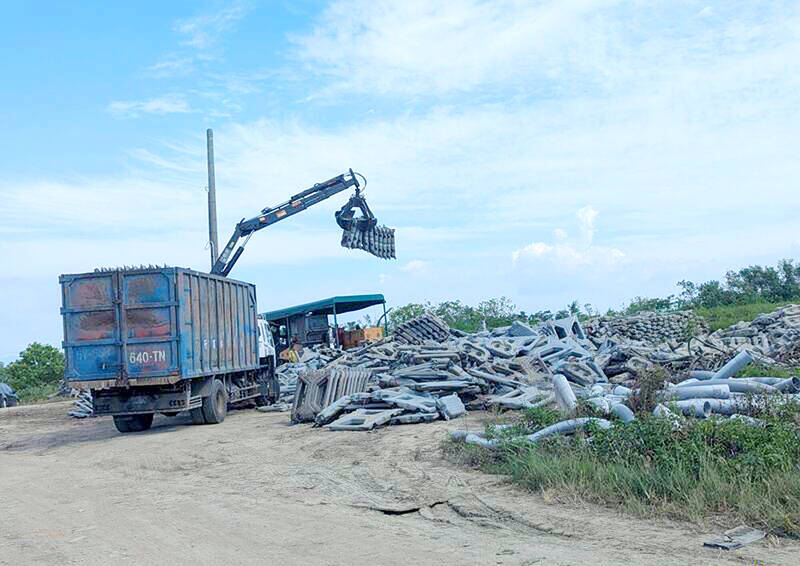
Environment Minister Peng Chi-ming personally inspected the site on August 16, confirming that cleanup operations were proceeding “in accordance with regulations.” Despite these assurances, cleanup challenges remained. More than a week after the minister’s visit, debris from broken panels was still visible around the pond, resulting in a NT$9 million fine for the operator. The company tasked with clearing the site explained that the process was time-consuming, requiring panels to be separated from floats before transport to specialized processing facilities.
The Taiwan FactCheck Center (TFCC), an NGO accredited by the International Fact-Checking Network, later revealed on August 25 that the bird-death video had been AI-generated—a fact the original creator had actually acknowledged when posting the clip on Threads, though their account later disappeared.
This incident represents just one of many cases of solar energy misinformation that TFCC has addressed. The center has published 13 reports on solar power misinformation over the past two years alone. Recent examples include debunking rumors about water quality at Tainan’s Wushantou Reservoir following installation of a major floating PV system. Some social media users had misinterpreted transparency-index data, while others falsely claimed that water tests had detected cleaning agents in concerning quantities.
TFCC Deputy Editor-in-chief Chen Pei-huang explained that most of these narratives originate from social media or online forums. “They often combine genuine concerns about environmental impact with misinformation or misleading visuals,” he said. “In our assessment, the majority are not deliberately malicious but stem from misunderstanding, incomplete information or distrust toward renewable-energy policies.”
The impact of misinformation is amplified by influential figures with large social media followings. One Taipei chest physician with 121,000 Facebook followers shared unsubstantiated claims about water quality at Wushantou Reservoir. His post garnered approximately 39,000 reactions and was shared over 1,200 times—significantly outperforming TFCC’s fact-check on the same topic.
Solar energy critics don’t always need to rely on fabricated content to generate skepticism. A recent Control Yuan report titled “Questions Concerning Photovoltaic Project Applications” documented legitimate concerns about corruption and market distortion in Taiwan’s solar energy sector. The report cited instances of organized crime infiltrating the industry, with gangs sometimes mobilizing protests under the pretext of environmental concerns to extort money from companies.
The report also highlighted issues with the government’s “aquaculture-electricity symbiosis” policy, which encourages fish farmers to install PV systems over their ponds. While the report criticized this approach as essentially “using electricity revenue to subsidize fisheries,” others view it as a practical dual solution for Taiwan’s energy and food security needs.
As Taiwan continues to expand its renewable energy capacity, addressing both misinformation and legitimate industry concerns will be crucial for maintaining public support and ensuring sustainable implementation.
Fact Checker
Verify the accuracy of this article using The Disinformation Commission analysis and real-time sources.

10 Comments
The government’s swift action to address public concerns and confirm the safety of the water sources is commendable. Maintaining public trust is crucial for the continued expansion of renewable energy in Taiwan.
This highlights the importance of fact-checking and not jumping to conclusions based on limited information. It’s crucial for renewable energy projects to prioritize environmental protection and transparency to maintain public trust.
While it’s concerning to see the damage caused by the typhoon, I’m glad the authorities were able to quickly investigate and determine the water quality was not compromised. Transparency and fact-based communication are key.
Interesting to see the government’s swift response to address public concerns over the environmental impact of damaged solar panels. It’s good they were able to quickly dispel the misinformation and confirm the water quality was not compromised.
The rapid spread of misinformation around this incident highlights the challenges renewable energy projects can face. Proactive communication and demonstrating a commitment to environmental protection will be crucial going forward.
The use of floating solar panels in reservoirs and fish farms is an innovative approach, but it’s understandable that there would be concerns about potential water contamination. Kudos to the authorities for their proactive investigation and reassurance.
This incident demonstrates the need for robust safeguards and monitoring to ensure renewable energy projects have minimal environmental impact. Transparency and effective communication with the public are also key to addressing concerns.
It’s encouraging to see the authorities responding swiftly to address public fears and provide factual information. Maintaining public confidence in the sustainability of renewable energy is crucial for continued investment and expansion.
This situation underscores the importance of thorough planning and risk assessment for renewable energy projects, especially those involving water bodies. Effective monitoring and rapid response to any issues are essential.
I’m glad the government took this issue seriously and conducted thorough testing. It’s good to see they were able to determine the reddish water was a natural occurrence and not related to any toxins from the damaged solar panels.