


Listen to the article
Nigeria’s Media Independence Under Threat from Misinformation, Experts Warn
Nigeria’s media landscape faces mounting challenges as the rapid spread of misinformation continues to undermine journalistic integrity and independence, according to experts who gathered at a recent media training workshop in Lagos.
The event, organized by the British High Commission in partnership with the School of Media and Communication at Pan-Atlantic University (PAU), brought together journalists, academics, and policymakers to address the pressing issue of press freedom in an era dominated by unverified information.
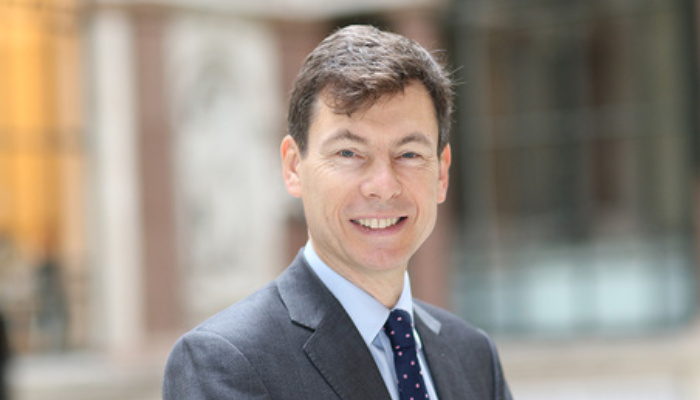
Jonny Baxter, the British deputy high commissioner, emphasized the critical role journalists play in countering the spread of false information. “In an age of rapid technological change, accurate, ethical and evidence-based reporting has never been more essential,” Baxter stated. “You all know how quickly unsubstantiated information can spread and shape perceptions. This is why your role as journalists is so important.”
The workshop represents part of a broader initiative by the UK government to strengthen professional capacity among Nigerian journalists. Over the past two years, similar training sessions have been conducted in Lagos, Abuja, and the United Kingdom, reflecting the ongoing commitment to fostering credible reporting in Nigeria.
Ikechukwu Obiaya, dean of PAU’s School of Media and Communication, pointed to fundamental shifts in the journalism landscape that have strained traditional reporting practices. He argued that while the foundational principles of journalism—the “five Ws and H”—remain relevant, they are insufficient in today’s complex information ecosystem.
“We must also ask who the story is for, why it matters, when and where it should be told, and how it should be presented,” Obiaya explained. He highlighted a concerning trend where professional journalism now competes with content created by untrained individuals, often driven by ideological agendas rather than commitment to truth.
“Today, there is a free-for-all flow of information, where professional journalism competes with unverified and sometimes misleading content. This has led to distortions and bias, with narratives often shaped more by interests than by truth,” he noted.
Obiaya reaffirmed that journalism’s core function as a public service necessitates a commitment to clarity, accuracy, and balanced reporting, while also highlighting potential solutions to societal problems.
Silk Ogbu, an associate professor at PAU, addressed the interconnected nature of press freedom, freedom of expression, and access to information, describing them as essential pillars for democratic development. While acknowledging that these rights are recognized in Nigerian law, Ogbu emphasized that they are not absolute and must be exercised responsibly within existing legal frameworks.
He called on journalists to critically examine their professional independence, particularly regarding government influence, ownership pressures, and self-censorship—factors that can compromise editorial integrity. Ogbu also expressed concern over persistent challenges in accessing public information, despite the existence of the Freedom of Information Act, noting that institutional resistance continues to impede transparency efforts.
The workshop comes at a critical time for Nigerian media, as news organizations contend with economic pressures, technological disruption, and increasing threats to journalists. Organizations like the Socio-Economic Rights and Accountability Project (SERAP) and the Nigerian Guild of Editors have previously called for enhanced protection for journalists and measures to address the insecurity that hampers reporting in many parts of the country.
The Nigerian Human Rights Commission has also raised alarms about rising attacks on journalists, demanding accountability for perpetrators and better safeguards for media professionals carrying out their duties.
As Nigeria grapples with complex security, economic, and political challenges, the role of independent journalism remains paramount. The training session provided journalists with strategies to adapt to the evolving media landscape while maintaining ethical standards and journalistic integrity.
Participants were encouraged to leverage technology effectively in their reporting while remaining vigilant against its potential to spread misinformation—a balance that will be crucial for preserving the credibility and independence of Nigeria’s press in the years ahead.
Fact Checker
Verify the accuracy of this article using The Disinformation Commission analysis and real-time sources.

11 Comments
The role of journalists in countering misinformation is so important. I’m glad to see the British High Commission and PAU taking concrete steps to strengthen the capacity of Nigerian media professionals in this area. Maintaining an independent and reliable press is crucial for democracy.
The rapid technological changes impacting the media landscape have certainly created new challenges for journalists trying to maintain independence and credibility. I’m glad to see the British High Commission and PAU taking steps to support Nigerian media professionals in navigating these issues. Upholding press freedom is so important.
Agreed. In an age of misinformation, the role of ethical, evidence-based journalism has never been more vital. This kind of international cooperation to strengthen local media capacity is encouraging to see.
It’s concerning to hear about the threats to media independence in Nigeria due to the spread of misinformation. Journalists play a vital role in providing accurate and reliable information to the public, so their ability to operate freely is crucial for a functioning democracy.
I agree. This workshop organized by the British High Commission and PAU seems like a positive step to help strengthen the capacity of Nigerian journalists to combat misinformation and uphold press freedom.
The rapid technological changes in the media landscape have certainly made it more challenging for journalists to verify information and maintain their independence. But it’s encouraging to see efforts by the UK government to support Nigerian media professionals in this area.
Absolutely. Upholding ethical and evidence-based reporting is crucial, especially when misinformation can spread so quickly online. I hope this initiative leads to lasting improvements in Nigeria’s media landscape.
It’s concerning to hear about the threats to journalistic integrity and independence in Nigeria due to the spread of misinformation. Accurate, reliable reporting is so crucial, especially on issues that impact the public. I hope this workshop and other initiatives can help bolster the capacity of Nigerian media professionals.
This is a concerning trend, but not unique to Nigeria. Many countries are grappling with the rise of misinformation and its impact on press freedom. It’s good to see international cooperation to address this issue and support local journalism.
Misinformation is a global challenge, but it’s especially troubling to see it undermining media independence in places like Nigeria. I hope this workshop and other initiatives can help empower Nigerian journalists to uphold ethical, evidence-based reporting.
Me too. Protecting press freedom is vital, and I’m glad to see international partners like the UK stepping up to support local media in Nigeria. It’s an important effort that could have far-reaching impacts.