


Listen to the article
Nigerian Media Independence Under Threat as Misinformation Spreads
Nigeria’s journalism landscape faces mounting challenges as the proliferation of false information threatens media independence, according to experts who gathered at a recent workshop in Lagos.
The media training event, organized by the British High Commission in partnership with the School of Media and Communication at Pan-Atlantic University (PAU), brought together journalists, academics, and policymakers to address pressing concerns about press freedom in the digital age.
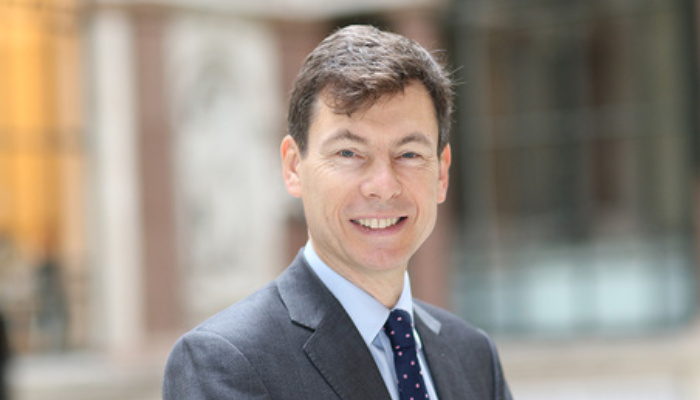
Jonny Baxter, the British deputy high commissioner, emphasized the critical importance of journalism in an era of technological upheaval. “In an age of rapid technological change, accurate, ethical and evidence-based reporting has never been more essential,” Baxter told attendees. “You all know how quickly unsubstantiated information can spread and shape perceptions. This is why your role as journalists is so important.”
The workshop forms part of a broader initiative by the UK to strengthen Nigeria’s media sector, with similar sessions having been conducted in Lagos, Abuja, and the United Kingdom over the past two years. This ongoing engagement aims to enhance professional capacity and promote credible reporting across Nigeria’s media landscape.
Ikechukwu Obiaya, dean of PAU’s School of Media and Communication, delivered a keynote address highlighting how traditional journalistic foundations are being tested by digital realities. He noted that while the fundamental questions of who, what, when, where, why, and how remain important, they alone are insufficient in today’s complex information environment.
“We must also ask who the story is for, why it matters, when and where it should be told, and how it should be presented,” Obiaya said, pointing to a concerning trend where professional journalism now competes with unverified content.
The dean expressed particular concern about the rise of untrained content creators and ideology-driven narratives, which he believes have undermined professional standards and increased the risk of misinformation circulating in the public sphere.
“Today, there is a free-for-all flow of information, where professional journalism competes with unverified and sometimes misleading content. This has led to distortions and bias, with narratives often shaped more by interests than by truth,” he explained.
Despite these challenges, Obiaya reaffirmed journalism’s role as a public service, emphasizing that the profession must continue to provide clarity, accuracy, and balance while highlighting solutions to societal issues.
Silk Ogbu, an associate professor at PAU, addressed the interconnected nature of press freedom, freedom of expression, and access to information, describing them as essential pillars of democratic development. While these rights are recognized in law, Ogbu noted they must be exercised responsibly within legal frameworks.
The academic challenged journalists to reflect on their level of independence, particularly regarding government influence, ownership pressures, and self-censorship—factors that often compromise editorial integrity. He also highlighted persistent obstacles in accessing public information despite the Freedom of Information Act, noting that institutional resistance continues to hamper transparency efforts.
Media accountability was another focal point of Ogbu’s presentation, as he urged journalists to recommit to their watchdog role in Nigerian society.
The workshop drew journalists from across Nigeria, providing a platform to examine technology’s impact on journalism, share experiences, and develop strategies to promote credible reporting. Participants were encouraged to strengthen ethical standards and adapt to the evolving media landscape.
The gathering comes at a critical time for Nigeria’s press, which continues to face challenges on multiple fronts. The Nigerian Human Rights Commission has recently expressed concern over rising attacks on journalists, while media advocacy groups like the Nigerian Guild of Editors (NGE) and the Socio-Economic Rights and Accountability Project (SERAP) have called for greater protection of media professionals and an end to the insecurity that often impedes their work.
As Nigeria navigates complex political and social dynamics, a robust and independent media remains essential for fostering transparency, accountability, and informed civic participation. The success of initiatives like this workshop may prove crucial in determining whether the country’s journalists can effectively counter misinformation while maintaining their vital democratic function.
Fact Checker
Verify the accuracy of this article using The Disinformation Commission analysis and real-time sources.

16 Comments
The threat of misinformation to media independence is a worrying trend. Reliable, fact-based reporting is the cornerstone of a well-informed public, so I’m hopeful these collaborative efforts between the UK and Nigeria can help reinforce journalistic integrity and press freedom.
This is concerning news about the threats to media independence in Nigeria. Misinformation can be so damaging, undermining the public’s trust in credible journalism. I hope the collaborative efforts between the UK and Nigeria can help strengthen ethical reporting standards and press freedom.
The erosion of media independence due to the spread of misinformation is a serious issue that needs to be addressed. Ethical, evidence-based reporting is the foundation of a well-informed society, so I’m hopeful these collaborative efforts between the UK and Nigeria can help reinforce press freedom and journalistic integrity.
Journalists play a vital watchdog role, so it’s concerning to hear about the pressures they’re facing in Nigeria. Misinformation can be so damaging, which is why it’s crucial to support media independence and high journalistic standards. This workshop seems like a good initiative to address these challenges.
Absolutely. Empowering journalists to report accurately and without undue influence is essential for a healthy democracy. I’m glad to see this collaborative effort between the UK and Nigeria to strengthen the media sector.
Strengthening Nigeria’s media sector seems like an important step to combat the rise of misinformation. Ethical, evidence-based journalism is a bulwark against the spread of false narratives that can sow division and undermine democracy. I hope these collaborative efforts between the UK and Nigeria yield positive results.
The erosion of media independence due to misinformation is a worrying trend that needs to be addressed. Ethical, evidence-based reporting is the foundation of a well-informed society, so I’m hopeful these collaborative efforts between the UK and Nigeria can help strengthen the media sector and protect press freedom.
The threat of misinformation to media independence is a serious concern. Accurate, evidence-based reporting is the lifeblood of a well-functioning democracy, so I’m hopeful these collaborative efforts between the UK and Nigeria can help reinforce journalistic integrity and protect press freedom.
This is a critical issue that deserves attention. A free and independent media is essential for a functioning democracy, so I’m glad to see the UK and Nigeria working together to address the challenges posed by the spread of misinformation. Safeguarding journalistic integrity is key.
Misinformation is a serious threat to media independence, and I’m glad to see the UK and Nigeria taking steps to address this issue. Reliable, fact-based journalism is essential for an informed public, and I hope these collaborative efforts can help reinforce press freedom and journalistic integrity.
This is a concerning development, as a free and independent media is crucial for a healthy democracy. I’m glad to see the UK and Nigeria working together to address the challenges posed by the spread of misinformation and strengthen ethical reporting standards.
The media plays a vital role in a democracy, so it’s worrying to hear about the challenges Nigeria’s journalists are facing. Reliable, fact-based reporting is essential, especially in an age where misinformation can spread so rapidly online. I’m glad to see efforts to address this issue.
Yes, this is a critical issue that needs to be addressed. Safeguarding media independence and journalistic integrity is key to maintaining a healthy, informed society.
Misinformation can be so damaging to media independence and public trust. I’m encouraged to see the UK and Nigeria collaborating to strengthen ethical reporting standards and press freedom. Reliable, fact-based journalism is crucial for a healthy, informed society.
This is a worrying development, as a free and independent media is essential for a healthy democracy. I’m glad to see the UK and Nigeria working together to address the challenges posed by misinformation and strengthen ethical reporting standards. Reliable, fact-based journalism is crucial for an informed public.
This is a concerning trend that deserves attention. A free and independent media is crucial for a functioning democracy, so I’m encouraged to see the UK and Nigeria working together to address the challenges posed by misinformation and strengthen ethical reporting standards. Reliable, fact-based journalism is key.