


Listen to the article
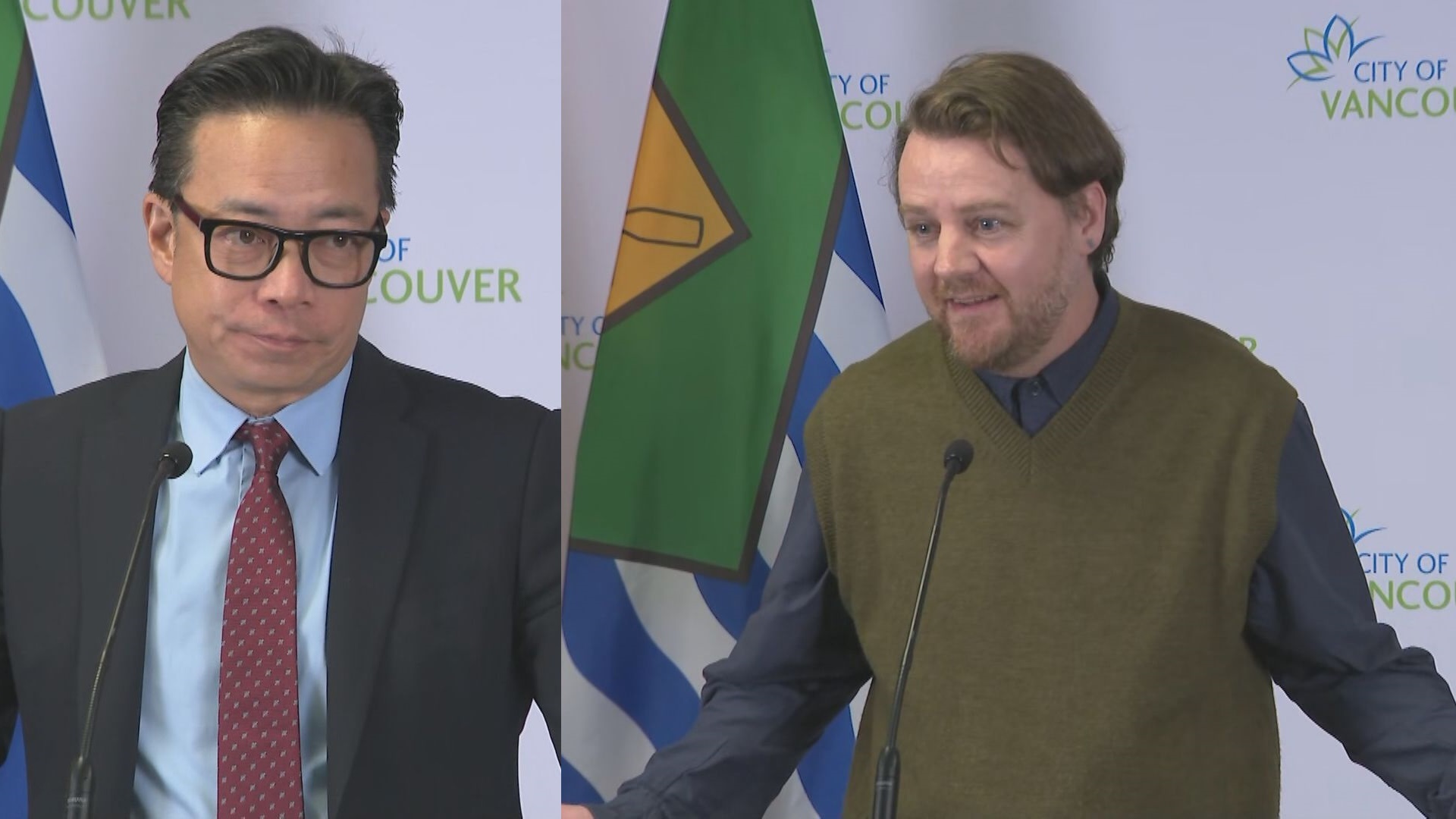
In a brief and tense news conference held Wednesday afternoon, Vancouver Mayor Ken Sim issued a formal apology to city residents over unfounded allegations he made against a fellow council member last month.
The mayor’s public statement comes nearly four weeks after he claimed during a February city council meeting that Councillor Jean Orr had distributed illegal drugs at a community event in the Downtown Eastside, an accusation that sparked immediate backlash and calls for his resignation.
“I want to apologize unreservedly to the people of Vancouver for my comments,” Sim said during the five-minute press conference at City Hall. “My statement was made without proper verification and has caused unnecessary division within our council and community.”
The controversy erupted during a heated debate about the city’s approach to the ongoing drug crisis, which has devastated Vancouver’s most vulnerable neighborhoods. British Columbia has been at the epicenter of Canada’s opioid epidemic, with Vancouver particularly hard-hit by overdose deaths and public health challenges.
Councillor Orr, who has been a vocal advocate for harm reduction strategies, immediately denied the allegations when they were made and demanded a retraction. She later filed a formal ethics complaint with the city’s integrity commissioner.
“These kinds of baseless accusations don’t just damage reputations—they undermine the serious work being done to address the complex challenges our community faces,” Orr said in a statement following the mayor’s apology.
Political analysts note that the incident reflects deeper tensions within Vancouver’s city government over approaches to drug policy. Sim, who was elected in 2022 on a platform that emphasized public safety and economic development, has frequently clashed with councillors who favor harm reduction and decriminalization strategies.
Dr. Elena Choi, a political science professor at Simon Fraser University, believes the fallout from this incident could have lasting implications for city governance.
“This goes beyond a simple gaffe,” Choi explained. “It speaks to the increasingly polarized nature of discussions around drug policy in Vancouver, and how misinformation can quickly poison the well of public discourse.”
The mayor did not take questions after his statement, leaving unanswered how the administration plans to move forward or repair relationships within the council. His communications director later indicated that Sim had also privately apologized to Councillor Orr earlier this week.
Community advocates have expressed concern about how the incident might affect ongoing efforts to address the drug crisis. Vancouver has been a pioneer in harm reduction approaches, including supervised consumption sites and, more recently, safe supply programs.
“When our elected officials make unfounded accusations about these sensitive issues, it makes it harder for frontline workers to build trust with vulnerable populations,” said Marcus Wong, executive director of the Downtown Eastside Community Alliance.
The controversy comes at a challenging time for Vancouver, as the city continues to struggle with affordability issues, homelessness, and the impacts of the ongoing drug crisis. Provincial data released last month showed that 2025 is on track to be another record year for overdose deaths in British Columbia.
City council is scheduled to meet next Tuesday, where observers expect the aftermath of this incident will likely influence discussions on pending harm reduction initiatives and the allocation of resources for addiction services.
Whether Sim’s apology will be sufficient to restore working relationships within council remains to be seen. Several councillors have publicly expressed disappointment in the mayor’s handling of the situation, with some suggesting the delayed apology came only after pressure from business leaders and community groups.
For now, residents and stakeholders throughout Vancouver are watching closely to see if city leadership can move beyond this controversy to address the pressing challenges facing Canada’s third-largest metropolitan area.
Fact Checker
Verify the accuracy of this article using The Disinformation Commission analysis and real-time sources.

8 Comments
It’s commendable that Mayor Sim acknowledged his mistake and issued a public apology. Maintaining trust between elected officials and the community is crucial, especially on sensitive issues like the opioid crisis. I hope this episode leads to more constructive dialogue and solutions-oriented policymaking.
The mayor’s swift apology is a positive step, but the real test will be how the council and community move forward constructively to address the root causes of the drug crisis in Vancouver. Scapegoating individuals is unlikely to be productive – a collaborative, evidence-based approach is needed.
Absolutely. This situation underscores the importance of elected officials maintaining a solutions-focused mindset, rather than resorting to politically-charged rhetoric. I hope the council can work together to develop effective harm reduction strategies that support the city’s most vulnerable residents.
This controversy highlights the need for elected leaders to approach divisive topics, like the drug crisis, with nuance and care. Scapegoating individuals is unlikely to help and could undermine productive dialogue. I hope the council can focus on evidence-based harm reduction strategies to support vulnerable residents.
Well said. Unsubstantiated allegations only serve to inflame tensions when a thoughtful, collaborative approach is required to address complex public health challenges.
It’s good that Mayor Sim has apologized for his unverified allegations against Councillor Orr. Public officials should be careful about making unsubstantiated claims, especially around sensitive issues like the drug crisis. Transparency and accountability are crucial in addressing complex public health challenges.
I agree. The mayor’s statement seems like an appropriate first step, but the council and community will need to work together constructively to move forward and find solutions to the opioid epidemic affecting Vancouver.
While the mayor’s apology is a good start, the real work lies ahead in rebuilding trust and finding meaningful solutions to the opioid epidemic affecting Vancouver. I hope this episode serves as a wake-up call for the council to approach the drug crisis with empathy, nuance and a commitment to evidence-based policymaking.