


Listen to the article
Standing with Science in a Post-Truth World: Tackling Vaccine Hesitancy and Health Misinformation
Since 2018, India has faced periodic outbreaks of the deadly Nipah virus (NiV), most recently in West Bengal in February this year. Marked as a priority pathogen by the World Health Organization (WHO), NiV serves as a critical example of the One Health approach, which emphasizes the interconnectedness of human, animal, and environmental health in addressing global health challenges.
With no licensed vaccines or therapeutics currently available for Nipah, advances in mRNA vaccine research offer an encouraging pathway forward. The Coalition for Epidemic Preparedness Innovations (CEPI) and India’s Gennova Biopharmaceuticals Limited are leading efforts to develop an mRNA vaccine candidate against this deadly virus.
However, scientific progress alone cannot ensure public health success. As the WHO marks this year’s World Health Day under the theme “Together for Health. Stand with Science,” it serves as a reminder that developing medical countermeasures is only part of the solution – ensuring societies trust and accept scientific applications is equally crucial.
The Growing Challenge of Misinformation
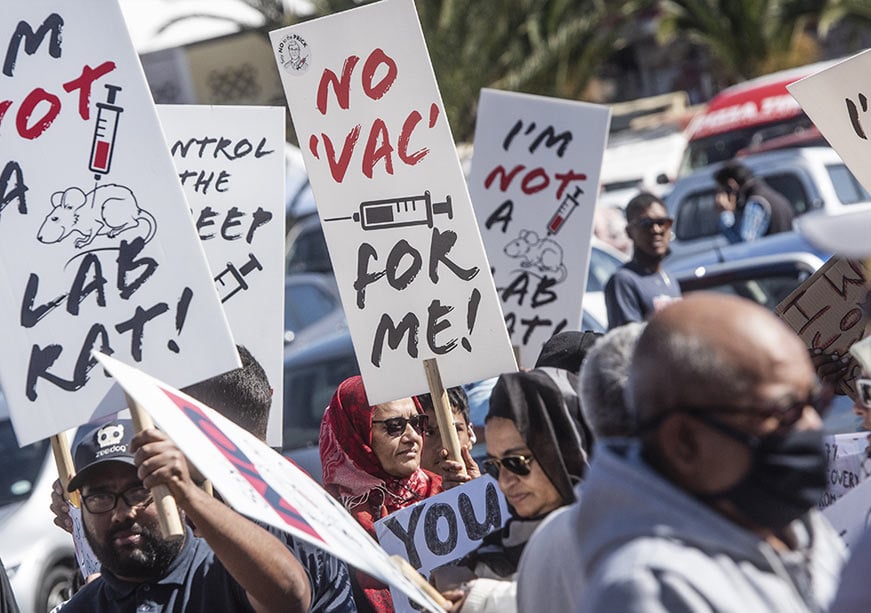
Vaccine hesitancy, recognized as a major threat to global health, has been significantly exacerbated by today’s rapidly evolving information landscape. Misinformation about vaccine safety and efficacy thrives in social media environments where both factual and false information spread rapidly.
During the COVID-19 pandemic, the WHO termed the overwhelming flood of information an “infodemic.” Research from the Massachusetts Institute of Technology has found that false information travels faster than factual content on social media, particularly when it evokes strong emotional responses such as fear. Repeated exposure to misinformation, especially from seemingly credible sources, reinforces belief in falsehoods and facilitates their spread.
Anti-vaccine narratives exploit this ecosystem through various tactics: promoting conspiracy theories, cherry-picking and misrepresenting scientific studies, and amplifying voices that discredit evidence-based science. A recent example involves unfounded claims that COVID-19 mRNA vaccines cause “turbo cancers” – supposedly aggressive forms of cancer – which gained significant traction online despite having no scientific basis.
Science in a Post-Truth World
In what many describe as a post-truth era, objective facts often carry less weight in shaping public opinion than appeals to emotion and personal belief. This creates an environment of doubt and confusion that erodes collective decision-making abilities, undermines trust in science, and normalizes misinformation.
The real-world consequences are alarming. Ongoing measles outbreaks in the United States, United Kingdom, and European countries demonstrate how declining vaccine uptake can rapidly trigger disease resurgence and diminish herd immunity. Medical professionals are particularly concerned about severe complications like subacute sclerosing panencephalitis (SSPE), a rare but often fatal condition that can develop months or years after measles infection.
The Politics of Health Science
Vaccine hesitancy is further complicated by the increasing politicization of science. This often involves strategically emphasizing scientific uncertainty to undermine established consensus. During the COVID-19 pandemic in the United States, attitudes toward vaccines became strongly associated with political identity, with partisanship influencing both susceptibility to misinformation and receptiveness to pro-vaccination messaging.
This politicization is now affecting childhood immunization protocols. Recent attempts in the US to downgrade several vaccines from “routine administration” to “shared clinical decision-making” represent a significant policy shift without robust scientific justification. Though these changes were blocked by a federal judge, such developments threaten to destabilize public trust in established scientific protocols and potentially impact future innovation.
The Uncertain Future of mRNA Innovation
The trajectory of mRNA vaccine technology illustrates the tensions between scientific advancement and public acceptance. In August 2025, the United States Department of Health and Human Services abruptly terminated approximately $500 million in funding for mRNA vaccine research, canceling 22 contracts granted by the Biomedical Advanced Research and Development Authority.
This decision, justified by concerns about vaccine effectiveness and safety, relied heavily on in vitro studies that don’t adequately reflect clinical outcomes. Simultaneously, widespread claims linking mRNA COVID-19 vaccines to sudden deaths in young adults have circulated despite existing studies failing to establish such causal connections.
Regulatory uncertainty has followed. Moderna’s mRNA-based flu vaccine faced an initial rejection from the FDA, which later reversed course with a decision expected in August. Meanwhile, Moderna’s combined flu-COVID-19 vaccine, already approved in Europe, awaits the American regulatory outcome before proceeding in the US market.
Rebuilding Scientific Trust
Addressing vaccine misinformation requires a shift toward scientific empowerment rooted in sustained trust-building. Effective strategies include clear science communication that counters false claims with accurate information. “Pre-bunking” – warning people about misinformation before they encounter it – has proven effective in reducing its impact.
Multiple approaches to debunking misinformation exist, from direct myth-fact corrections to “sandwiching” myths between accurate information. While some studies suggest corrective messaging occasionally backfires, abandoning efforts to combat falsehoods ultimately harms public health.
Strengthening science literacy through education helps individuals better understand scientific benefits and make informed decisions. Policymaking should integrate scientific expertise while including diverse voices to bridge understanding gaps. Community outreach led by trusted communicators ensures credibility and relevance of health messaging.
Moving Forward Together
The challenges posed by emerging threats like the Nipah virus highlight that medical countermeasures alone are insufficient; public trust is equally essential. In our current information environment, building confidence in science requires sustained commitment to communication, education, and inclusive engagement.
This year’s World Health Day theme – “Together for Health. Stand with Science” – emphasizes the need to foster collective trust in medical technologies to protect societies from both existing and emerging health threats. Only by standing with science can we effectively navigate the complex health challenges of our interconnected world.
Fact Checker
Verify the accuracy of this article using The Disinformation Commission analysis and real-time sources.

26 Comments
Silver leverage is strong here; beta cuts both ways though.
Good point. Watching costs and grades closely.
The cost guidance is better than expected. If they deliver, the stock could rerate.
Good point. Watching costs and grades closely.
I like the balance sheet here—less leverage than peers.
Good point. Watching costs and grades closely.
Nice to see insider buying—usually a good signal in this space.
Good point. Watching costs and grades closely.
Good point. Watching costs and grades closely.
Interesting update on Science Under Fire: Defending Facts in a Post-Truth Era. Curious how the grades will trend next quarter.
Interesting update on Science Under Fire: Defending Facts in a Post-Truth Era. Curious how the grades will trend next quarter.
Good point. Watching costs and grades closely.
I like the balance sheet here—less leverage than peers.
Exploration results look promising, but permitting will be the key risk.
Production mix shifting toward News might help margins if metals stay firm.
Good point. Watching costs and grades closely.
Exploration results look promising, but permitting will be the key risk.
Good point. Watching costs and grades closely.
Interesting update on Science Under Fire: Defending Facts in a Post-Truth Era. Curious how the grades will trend next quarter.
Good point. Watching costs and grades closely.
Exploration results look promising, but permitting will be the key risk.
Good point. Watching costs and grades closely.
Exploration results look promising, but permitting will be the key risk.
Production mix shifting toward News might help margins if metals stay firm.
Good point. Watching costs and grades closely.
Good point. Watching costs and grades closely.