


Listen to the article
In the wake of recent high-profile incidents, conspiracy theories are spreading at an alarming rate across social media platforms, reflecting deeper societal issues affecting American democracy, experts warn.
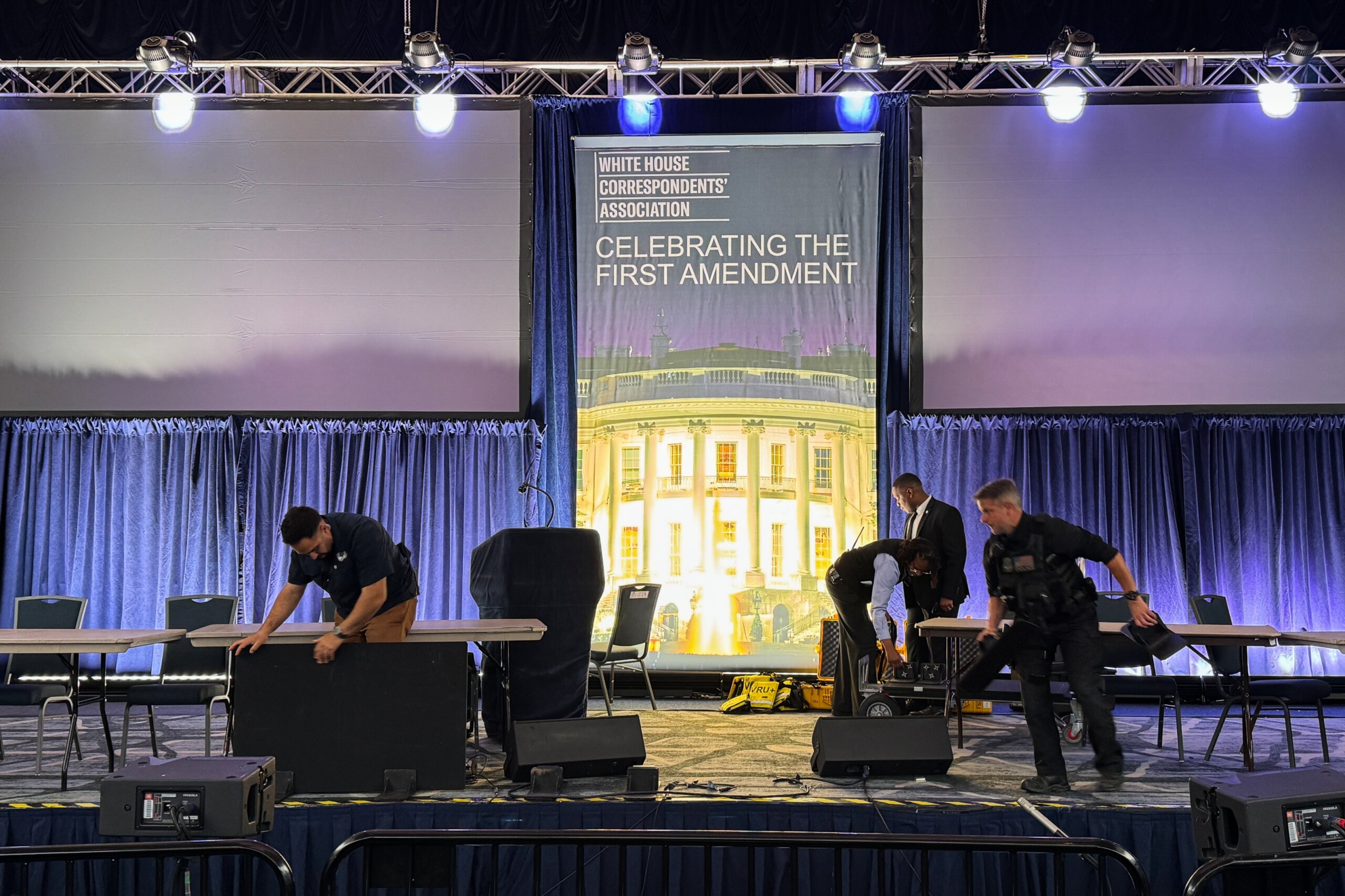
Following Saturday’s shooting at the White House correspondents’ dinner in Washington D.C., social media channels have been flooded with conspiracy theories suggesting the incident was staged. Similarly, the suspected shooter’s own social media history revealed engagement with conspiracy content following the assassination attempt on former President Donald Trump in Butler, Pennsylvania, earlier this year.
According to Jen Golbeck, a professor at the University of Maryland’s College of Information Studies, this surge in conspiracy thinking stems from two critical factors affecting American society.
“One is that people are having a hard time discerning truth from misinformation or just falsehoods. So there’s this inability to process information and discern truth,” Golbeck explained in an interview. “On the other side is a lack of trust in institutions and experts — the kind of people that we would turn to normally to help us make those decisions.”
This combination has created what Golbeck describes as a “perfect storm” for conspiracy theories to flourish, particularly in the aftermath of major disruptive events like the COVID-19 pandemic.
“We’re in this really unique space in the U.S. right now where a lot of those official sources of information have been putting out bad information,” she noted, pointing to how this has contributed to an erosion of trust across the political spectrum.
The implications extend far beyond social media discourse. Golbeck believes the proliferation of conspiracy theories represents a troubling indicator of democratic backsliding in the United States. She encourages critical thinking about the motivations behind attempts to undermine institutional trust.
“When someone’s trying to make us not trust an institution, are they doing that because the institution is honestly not trustworthy? That’s good to know,” she said. “Or is it that it is trustworthy, and they’re trying to erode that trust for a different reason?”
This distinction matters because the widespread adoption of conspiracy thinking often benefits those seeking to consolidate power. Golbeck explained that when citizens become unable to distinguish truth from falsehood, democratic institutions suffer.
“If they can get us — not to necessarily believe the lies that they’re telling us, but to not believe in anything — to just see information and be like, ‘I don’t know what’s true or what isn’t true, I don’t believe anything anymore,’ what we see is the decline of democratic institutions,” she warned.
The Washington D.C. region, with its concentration of policy experts, research institutions, and government agencies, could play a pivotal role in countering this trend, according to Golbeck.
“We are a region of experts,” she noted. “We can bring that to each other, and that’s also something that democracy is built on. As a people, we have the power within ourselves. I think we need to do the work to rebuild those institutions.”
Media literacy experts have long warned about the accelerating spread of misinformation in the digital age. Research from the Pew Research Center indicates that approximately 65% of Americans report encountering conspiracy content online regularly, with nearly a third admitting difficulty in distinguishing credible information from false claims.
As a path forward, Golbeck advises people to seek out reliable information sources grounded in factual evidence, scientific methodology, or objective truth rather than mere opinion.
“Democracy requires people to understand and have access to the truth,” she emphasized, highlighting that rebuilding trust in democratic institutions will require concerted effort from both information providers and consumers.
Social media platforms continue to face scrutiny for their role in amplifying conspiracy content, with critics arguing that engagement-focused algorithms often prioritize sensational and divisive content over factual reporting.
Fact Checker
Verify the accuracy of this article using The Disinformation Commission analysis and real-time sources.

15 Comments
Conspiracy theories spreading on social media are a concerning symptom of the deeper social and political polarization in the US. We need to address the underlying issues of mistrust in institutions and the inability to discern truth from falsehoods.
Absolutely, relying on verified and reputable sources of information is crucial to cut through the misinformation. Building trust in institutions and experts should be a priority.
These conspiracy theories are really troubling. It’s a sign of how deeply divided our society has become, where people have lost trust in institutions and experts. We need to find ways to bridge those divides and restore faith in reliable information sources.
The spread of conspiracy theories on social media after this incident is really worrying. It highlights the deeper societal issues of mistrust in authorities and the difficulty in distinguishing truth from misinformation. Tackling these root causes should be a key focus.
The spread of conspiracy theories following this incident is really worrying. It reflects a broader societal problem where people struggle to discern truth from falsehoods. Rebuilding trust in institutions and improving media literacy should be a priority.
I agree, this is a complex issue that requires a multifaceted approach. Addressing the underlying factors that lead to the spread of misinformation is crucial.
It’s sad to see how the lack of trust in authorities and the rise of misinformation are fueling these kinds of conspiracy theories. We need to find ways to bridge the divides and restore faith in reliable information.
The proliferation of conspiracy theories on social media following this incident is really troubling. It speaks to a broader issue of mistrust in authorities and the inability to distinguish truth from falsehoods. Addressing these root causes should be a priority.
It’s disheartening to see how quickly these conspiracy theories have taken hold following this incident. This speaks to a broader problem of social division and the erosion of trust in institutions and expert sources of information. Addressing these underlying issues should be a priority.
Absolutely, the proliferation of misinformation on social media is a major challenge that needs to be addressed. Restoring faith in reliable information sources and improving media literacy are crucial steps forward.
These conspiracy theories are a concerning reflection of the broader social and political polarization in the country. Restoring trust in reliable information sources and improving media literacy are important steps to address this problem.
It’s disheartening to see how quickly these conspiracy theories have spread in the wake of this incident. This reflects a deeper societal problem that needs to be addressed through improving media literacy and restoring trust in reliable information sources.
Absolutely, the spread of misinformation on social media platforms is a major challenge that needs to be tackled. Focusing on rebuilding trust in institutions and experts is crucial.
These conspiracy theories are a concerning symptom of the deeper social and political divisions in the US. Restoring trust in institutions and expert sources of information is key to tackling this problem.
The surge in conspiracy theories following this incident is a troubling sign of the deeper social divisions in the US. Addressing the underlying issues of mistrust in institutions and the inability to discern truth from falsehoods should be a priority.