


Listen to the article
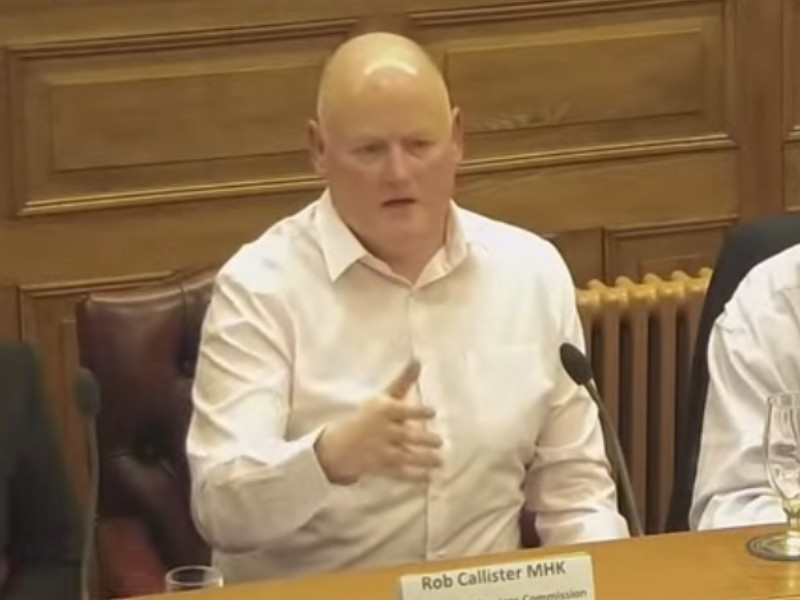
In a striking testimony before a Tynwald committee examining the effectiveness of Isle of Man’s legal framework, Public Services Commission (PSC) Chair Rob Callister MHK has claimed that “misinformation” has negatively transformed the government’s whistleblowing culture.
The committee, which has been investigating protections for those who report wrongdoing within official channels, revealed that some whistleblowers reportedly experienced such severe distress following their disclosures that they felt “suicidal.” This alarming revelation highlights potentially serious shortcomings in the current system designed to protect those who speak out.
Callister, however, suggested that part of the problem stems from a fundamental misunderstanding about what whistleblowing legislation actually provides versus public expectations. During his testimony, the PSC Chair emphasized that there exists a significant gap between the legal protections afforded to whistleblowers and what many individuals believe they are entitled to when coming forward with allegations of misconduct.
“There seems to be a disconnect between the intended purpose of our whistleblowing framework and how it functions in practice,” Callister told committee members during the evidence session, which was streamed on Tynwald’s official YouTube channel. “This misalignment has contributed to a deterioration in what should be a healthy reporting culture.”
The Isle of Man Government, like many jurisdictions, has established formal procedures for employees to report wrongdoing internally. These mechanisms are designed to provide safe channels for raising concerns about potential improprieties, unethical behavior, or illegal activities within public institutions.
Whistleblowing protections have become increasingly important across democratic societies as a means of ensuring transparency and accountability in government operations. When functioning properly, such systems can help identify and address misconduct before it escalates, ultimately strengthening public trust in institutions.
However, the testimony before the Tynwald committee suggests the Isle of Man’s implementation may have significant flaws. The emotional and psychological toll described by some whistleblowers indicates possible retribution or inadequate support for those who come forward.
The parliamentary investigation comes at a time when whistleblower protection has gained prominence globally. Many jurisdictions have strengthened legal safeguards for those who expose wrongdoing in the public interest, recognizing their vital role in maintaining governmental integrity.
Experts in public sector governance often cite the importance of creating a “speak-up culture” where employees feel safe reporting concerns without fear of retaliation. When these protections fail, the consequences can be severe—not just for individuals, but for institutional transparency as a whole.
The committee’s findings could potentially lead to legislative reforms aimed at strengthening the Isle of Man’s whistleblowing framework. Similar reviews in other jurisdictions have resulted in enhanced protections, clearer reporting procedures, and better support systems for those who expose wrongdoing.
Callister’s testimony also hints at possible systemic issues within the government’s response to whistleblowers. The characterization of the culture turning “sour” suggests deterioration over time rather than isolated incidents.
The Tynwald committee is expected to continue gathering evidence from various stakeholders, including current and former government employees who have firsthand experience with the whistleblowing process, before making recommendations.
For the Isle of Man, a self-governing British Crown Dependency with its own parliamentary system and legal framework, maintaining effective governance systems is crucial to its reputation and autonomy. How it addresses these concerns about whistleblower protection may have significant implications for public sector accountability moving forward.
The committee has not yet announced when it expects to complete its investigation or publish its findings and recommendations.
Fact Checker
Verify the accuracy of this article using The Disinformation Commission analysis and real-time sources.

13 Comments
Misinformation eroding trust in the whistleblower framework is a concerning development. Transparency and accountability are paramount, so restoring public confidence in the system should be a top priority. Whistleblowers provide an invaluable service and deserve robust legal protections.
I agree completely. Whistleblowers take on significant personal risk to serve the public interest, so ensuring they feel secure and supported in coming forward is essential.
Misinformation undermining the whistleblower framework is a serious concern. Transparency and accountability are crucial, so restoring public trust in the system should be a top priority. Whistleblowers perform a vital role and deserve robust legal protections.
Well said. Addressing the disconnect between the law and public perception is essential. Whistleblowers must feel empowered and secure in coming forward with allegations of wrongdoing.
The revelation that some whistleblowers felt suicidal after coming forward is deeply disturbing. Clearly the current system is failing to properly support those who take on significant personal risk to serve the public interest. Reforms are urgently needed.
Absolutely. Whistleblowers deserve robust safeguards and counseling resources to protect their wellbeing. The consequences of not addressing this issue could be devastating.
This highlights the importance of clear, reliable information about whistleblowing laws and procedures. If there is widespread public misunderstanding, it undermines the entire purpose of having those protections in place. Restoring trust in the system should be a top priority.
The revelation of whistleblowers feeling suicidal is deeply troubling. This highlights serious flaws in the current system that need to be urgently addressed. Whistleblowers play a crucial role and must be properly protected and supported.
This is a concerning issue. Whistleblowers play a vital role in exposing wrongdoing, but they need robust protections to feel safe coming forward. Misinformation undermining trust in the system is troubling – transparency and accountability must be the priority.
I agree. Educating the public on the actual legal protections for whistleblowers could help address the disconnect and encourage more people to report misconduct confidently.
Whistleblowing is a crucial check on power, but it’s troubling to hear the current framework may be falling short. Addressing misinformation and ensuring true protections for those who come forward seem essential to maintaining an accountable government.
Agreed. Whistleblowers should be empowered, not discouraged, from reporting wrongdoing. Reforming the system to better support them is in the public interest.
The testimony about whistleblowers feeling suicidal is deeply disturbing. Clearly the system is failing those who take on great personal risk to serve the public good. Urgent action is needed to strengthen protections and support for whistleblowers.