


Listen to the article
African Media Faces Crossroads as Digital Challenges Mount
Media organizations across Africa are grappling with unprecedented challenges as digital innovations reshape the information landscape. Industry leaders are preparing to convene in Nairobi in mid-March 2026 for the Pan-African Media Conference to address these growing concerns and chart a sustainable path forward.
The conference, jointly hosted by the Media Council of Kenya, Kenya Editors Guild, Kenya Union of Journalists, and the Organization for Economic Cooperation and Development (OECD), will bring together experts to examine the complex web of challenges facing African media and propose comprehensive solutions.
While digital transformation presents significant opportunities for expanding access to information and driving innovation, it simultaneously accelerates the creation and circulation of harmful content that can mislead audiences and undermine information integrity. Artificial intelligence technologies, in particular, present a double-edged sword for news organizations attempting to navigate this rapidly evolving ecosystem.
Despite increased accessibility through digital platforms, uneven infrastructure development and gaps in media literacy leave many citizens vulnerable to information manipulation. News operations face mounting operational pressures, including dwindling revenues, increased taxation on equipment, and interference from various stakeholders in editorial decisions.
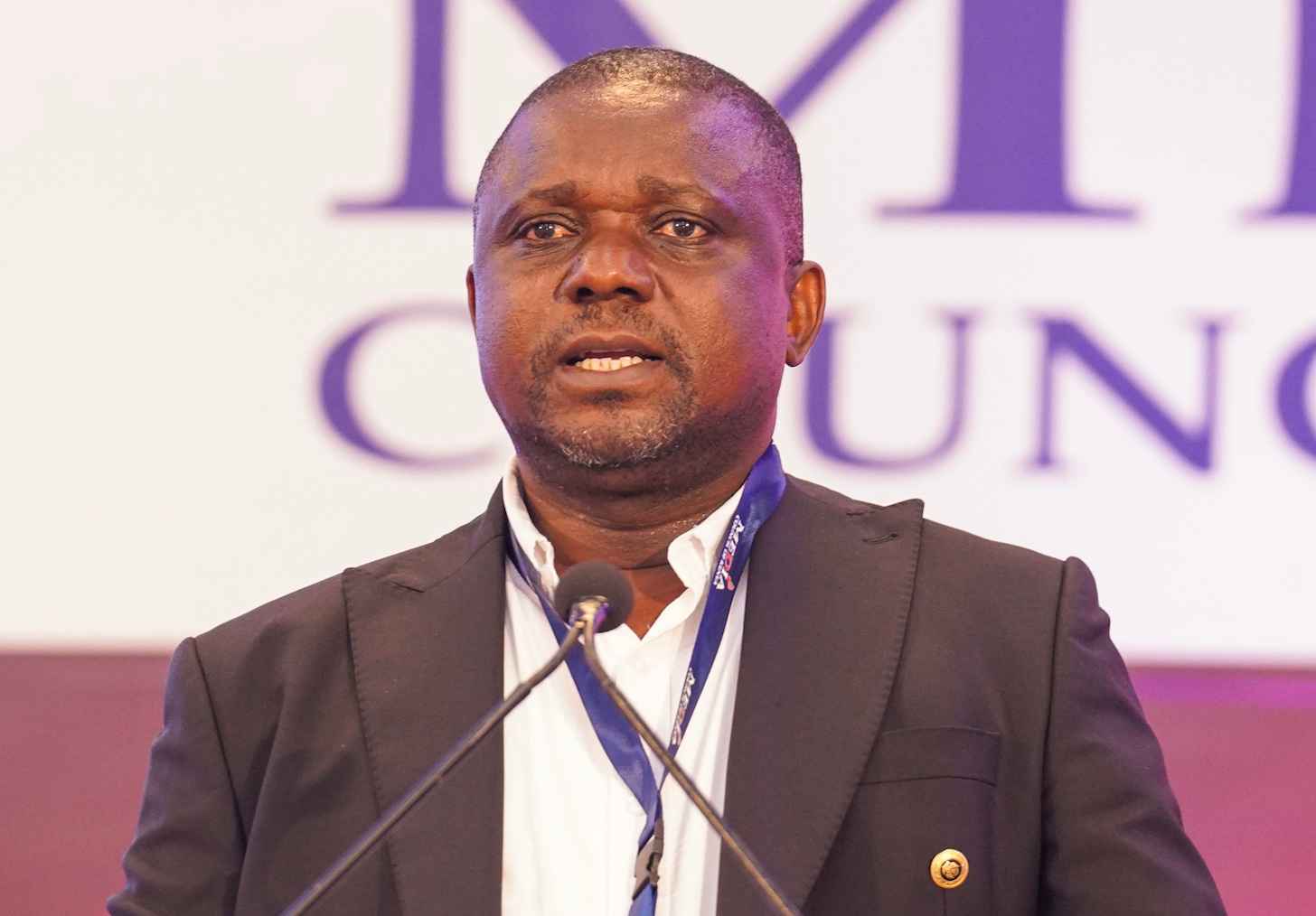
“Traditional business models for sustainable media outlets have come under immense pressure in the 21st century,” notes Victor Bwire, Director of Media Training and Development at the Media Council of Kenya. “Understanding sustainable business models is essential not only for media managers but also for international donors and development partners.”
Financial independence has become increasingly critical, as media enterprises with stable funding are better positioned to maintain editorial freedom and resist external influences, including government pressure and corruption. According to UNESCO, Anglophone African countries have shown stronger media sector growth compared to other regions on the continent. However, state and private commercial ownership continue to dominate the African media landscape.
While online content, private radio, and television have seen notable growth, newspaper circulation continues its decline across the continent, though some print publications have managed to maintain a stable readership base through adaptation and innovation.
Media pluralism faces several significant obstacles, including the need for legislative and structural reforms to bolster the independence of regulatory bodies. Funding and business management remain persistent challenges to sustainability, with mainstream financial institutions playing a limited role in financing media ventures despite some progress through targeted credit initiatives.
The ownership of media outlets by politicians or their affiliates continues to compromise editorial independence in many African countries, raising concerns about the media’s ability to fulfill its watchdog role effectively.
The upcoming convention will focus on information integrity, digital platforms, and media in Africa, aiming to guide discussions toward actionable resolutions and policy recommendations for governments and regulators. These conversations build upon the foundation laid by the historic Windhoek Declaration, which emphasized that a free and pluralistic press is essential for democracy and development.
The OECD’s participation as a knowledge partner brings valuable expertise in information integrity. In 2022, the organization established the Hub on Information Integrity to support analysis and policy development aimed at strengthening the information ecosystem while safeguarding freedom of expression. The OECD Council’s 2024 Recommendation on Information Integrity provides a global standard focused on resilience, transparency, and institutional accountability.
Industry observers emphasize that Africa cannot afford a media environment where journalists lack professional qualifications or fail to uphold ethical standards. Irresponsible journalism has the potential to undermine societal cohesion and democratic progress across the continent.
As the conference approaches, stakeholders are focusing on developing frameworks that balance innovation with responsibility, ensuring that African media can continue to fulfill its essential role in promoting democratic governance, supporting access to information, ensuring transparency and accountability, and shaping development narratives that reflect the continent’s diverse realities.
Fact Checker
Verify the accuracy of this article using The Disinformation Commission analysis and real-time sources.

16 Comments
This summit’s focus on AI, misinformation, and sustainability is timely and necessary. African media faces unique challenges that require tailored solutions to ensure a thriving, trustworthy information ecosystem.
I’m keen to see how the conference participants propose to leverage emerging technologies like AI to combat misinformation, while also addressing infrastructure gaps and resource constraints.
Expanding digital access to information is a double-edged sword, as it can also accelerate harmful content. Addressing this through comprehensive solutions will be vital for African media.
I’m curious to see what concrete proposals emerge from the summit to support sustainable, ethical journalism in the digital age across the continent.
Considering the rapid pace of digital transformation, this summit’s timing is critical. African media must adapt quickly to remain resilient and continue serving as a trusted source of information.
I hope the summit produces clear, actionable recommendations that can be swiftly put into practice by media organizations across the continent.
This summit seems crucial for tackling the complex digital challenges facing African media. Misinformation and sustainability are pressing issues that require multi-stakeholder collaboration to address effectively.
The role of AI in both enabling and combating misinformation will be a key focus. Striking the right balance between innovation and information integrity will be critical.
This summit’s focus on addressing the digital challenges confronting African media is timely and necessary. Developing a sustainable, trustworthy information ecosystem is crucial for the continent’s future.
I’m curious to see what specific policy recommendations or industry-wide initiatives emerge from the conference to support media resilience in the face of rapidly evolving digital landscapes.
The convergence of industry leaders, regulators, and technical experts at this summit holds promise for developing robust frameworks to strengthen media resilience in Africa.
Navigating the complexities of digital transformation while upholding journalistic integrity will be a key challenge. I hope the summit produces actionable, collaborative strategies.
The joint hosting of this summit by diverse stakeholders – from media councils to international organizations – signals a recognition of the need for a coordinated, multifaceted approach.
Bringing together such a breadth of expertise increases the potential for developing comprehensive, innovative solutions that can be effectively implemented across the African media landscape.
The challenges facing African media are complex and multifaceted. This summit’s holistic approach, covering AI, misinformation, and sustainability, is commendable and much-needed.
I’m eager to see how the conference participants propose to balance innovation and information integrity, ensuring digital transformation empowers rather than undermines African journalism.