


Listen to the article
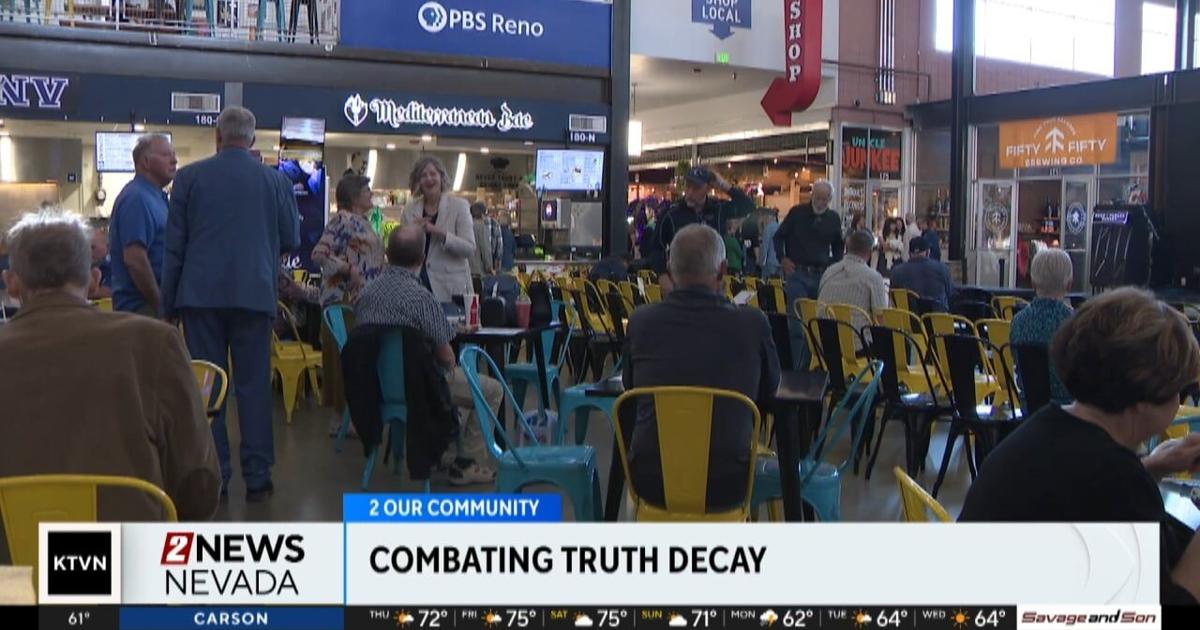
In an era where social media dominates information consumption, distinguishing between facts and opinions has become increasingly challenging for many Americans. Addressing this growing concern, the News Literate Community Initiative hosted a panel discussion Wednesday evening aimed at helping community members navigate the complex media landscape.
The event brought together experts and community members to discuss strategies for identifying misinformation and developing critical thinking skills when consuming news content.
Dr. Gi Yu, Dean of the University of Nevada’s Reynolds School of Journalism and a featured panelist, emphasized education as the cornerstone of addressing current information challenges. “I think the key for the solution to the problem that we have in terms of news, facts, and truth is education,” Dr. Yu stated. “Public education through this type of event is very crucial. Combating the misinformation and disinformation that is out there.”
The initiative has consistently highlighted social media’s profound influence on news consumption patterns. Organizers pointed to a generational divide in how people process information. Younger audiences who have grown up in the digital age often struggle to differentiate between opinion and fact-based content. Meanwhile, older generations accustomed to traditional news formats frequently find themselves overwhelmed by the volume and variety of information available online.
This digital transformation of news consumption comes at a time when trust in media institutions has reached historic lows. According to recent Gallup polls, Americans’ confidence in mass media has declined significantly over the past decade, with only about 34% saying they have a “great deal” or “fair amount” of trust in news outlets.
Cynthia Ryan, an attendee at Wednesday’s panel, expressed the urgency of the situation: “Any opportunity to help people understand how to tell truth from fiction, news from opinion—I think it’s more critical today than it has ever been at any time, largely because of social media. I hate to say that, but it is what it is.”
The News Literate Community Initiative frames media literacy not merely as a personal skill but as a civic necessity. Steve Mulveon, co-founder of the organization, connected information literacy directly to democratic participation.
“Our democratic society relies on involved citizens to be involved in the government, to know what’s going on, to understand the issues,” Mulveon explained. “If we have trouble separating fact from fiction, it’s very difficult for people to be involved in that process with any degree of confidence.”
The initiative’s approach emphasizes practical skills rather than partisan talking points. Attendees were encouraged to employ verification techniques such as cross-referencing information across multiple credible outlets and identifying original sources—practices that media experts consider fundamental to information literacy.
This event is part of a broader national movement toward improved media literacy education. Several states have recently introduced legislation to incorporate media literacy into public school curricula, recognizing its importance in preparing students for an information-saturated world.
As misinformation continues to pose challenges to public discourse, organizers stressed the importance of ongoing community engagement with media literacy resources. They encouraged participants to continue researching topics independently and to apply critical thinking skills to all information sources, regardless of political leaning or platform.
The News Literate Community Initiative plans to host additional workshops throughout the year, focusing on topics such as evaluating source credibility and understanding the economics driving news production in the digital age.
Fact Checker
Verify the accuracy of this article using The Disinformation Commission analysis and real-time sources.

14 Comments
The News Literate Community Initiative sounds like an important step in the right direction. Building critical thinking skills and the ability to discern truth from fiction is crucial in today’s information landscape.
Agreed. Fostering news literacy is essential for an informed and engaged citizenry. I’m curious to see what other strategies the panel discussed for combating misinformation.
The panel’s emphasis on education as the foundation for addressing the challenges around news and facts is a promising approach. Equipping people with the tools to identify misinformation and think critically is vital.
It’s concerning to hear about the growing generational divide in how people process information. Initiatives like this that aim to bridge that gap and promote media literacy are much needed.
Absolutely. Equipping people, especially younger audiences, with the tools to navigate the complex media landscape is crucial for maintaining an informed and engaged citizenry.
Interesting initiative to address the growing challenge of distinguishing facts from opinions in the age of social media. Fostering critical thinking and news literacy skills is crucial for combating misinformation.
Agreed, public education efforts like this are essential. Developing a discerning eye for credible sources and verifying information is a necessary skill in today’s digital landscape.
The panel discussion highlights an important issue facing many news consumers. I’m curious to learn more about the specific strategies they recommend for identifying misinformation and developing critical thinking.
Me too. The emphasis on education as the foundation for addressing this problem seems like a prudent approach. Equipping people with the tools to navigate the complex media landscape is key.
The News Literate Community Initiative sounds like an important step in the right direction. Fostering critical thinking and news literacy skills is essential for combating the spread of misinformation.
It’s concerning to hear about the decline in factual reporting and the generational divide in news consumption patterns. Initiatives like this are vital for promoting media literacy and restoring trust in journalism.
Interesting to hear about the focus on addressing the decline in factual reporting. Education and developing a discerning eye for credible sources seem like key strategies for tackling this issue.
I agree. Promoting media literacy and critical thinking skills is crucial in an era where social media dominates information consumption. This initiative appears to be a step in the right direction.
Appreciate the focus on education as the key to addressing the challenges around news and facts. Developing critical thinking skills and the ability to identify credible sources is vital in the digital age.