


Listen to the article
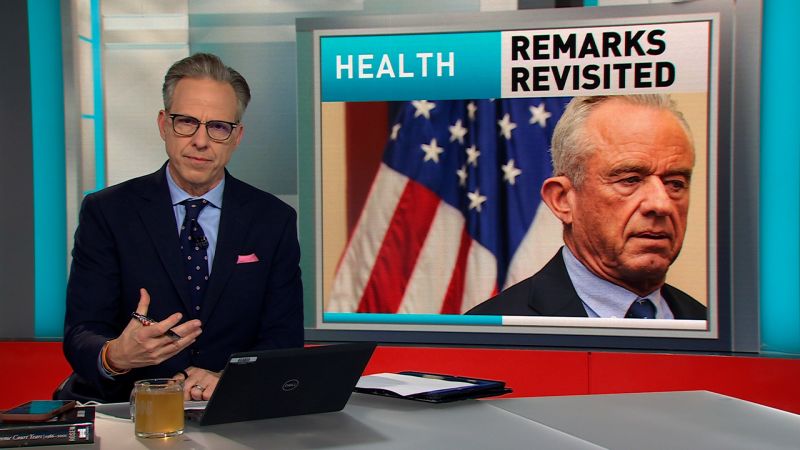
Independent presidential candidate Robert F. Kennedy Jr. faced intense scrutiny from House lawmakers on Thursday, as he defended himself against accusations of spreading health misinformation during a contentious congressional hearing.
Kennedy, appearing before the House Select Subcommittee on the Coronavirus Pandemic, pushed back forcefully against characterizations of his public health positions as “misinformation,” claiming his critics were attempting to silence legitimate scientific debate.
“What we’re witnessing here isn’t an effort to safeguard public health from misinformation,” Kennedy testified. “It’s a campaign to silence viewpoints that challenge powerful interests and question dominant narratives.”
The hearing quickly became a partisan spectacle. Republican lawmakers largely praised Kennedy, portraying him as a brave truth-teller standing up to government overreach and pharmaceutical industry influence. Democrats, meanwhile, sharply criticized his controversial statements on vaccines and other public health matters.
Democratic Rep. Kweisi Mfume of Maryland delivered one of the most pointed exchanges, condemning Kennedy’s past comparison of vaccine policies to actions in Nazi Germany. “I just want you to know that I’m personally offended by that,” Mfume said. Kennedy attempted to explain the context of his remarks but was interrupted by Mfume, who insisted, “You can’t unring the bell.”
Kennedy, the nephew of former President John F. Kennedy and son of former Attorney General Robert F. Kennedy, has built a reputation for challenging mainstream medical consensus, particularly regarding vaccines. Once a Democrat, he launched an independent presidential campaign after initially challenging President Joe Biden for the Democratic nomination.
Throughout the hearing, Kennedy maintained that his positions are based on scientific evidence, not conspiracy theories. “I’ve never been anti-vaccine,” Kennedy asserted. “I’m in favor of vaccines that have undergone proper safety testing.”
The political dynamics surrounding Kennedy’s campaign add another layer of complexity to the proceedings. While still registering in single digits in most polls, Kennedy has drawn support from voters disillusioned with both major parties. Some Democrats fear his candidacy could siphon votes from Biden in what is expected to be a close election against former President Donald Trump.
Kennedy’s testimony comes amid broader national debates about misinformation, public health policy, and the boundaries of acceptable discourse. The COVID-19 pandemic intensified these discussions, as public health measures became increasingly politicized.
Public health experts have consistently expressed concern about Kennedy’s statements, arguing that his rhetoric has contributed to vaccine hesitancy. The scientific consensus overwhelmingly supports the safety and efficacy of vaccines, including those developed for COVID-19.
Dr. Ashish Jha, former White House COVID-19 response coordinator, commented on the hearing: “When public figures spread misinformation about vaccines, it erodes trust in public health institutions and can have real consequences for community health outcomes.”
The hearing also highlighted the challenges faced by social media platforms and governmental bodies in addressing the spread of health misinformation. Committee members debated where to draw the line between legitimate criticism of public health policies and dangerous misinformation.
Kennedy defended his right to question scientific orthodoxy. “Throughout history, scientific progress has often come from those willing to challenge the consensus,” he said. “What some label as ‘misinformation’ today might be recognized as breakthrough thinking tomorrow.”
As the hearing concluded, it was clear that little common ground had been established. Republicans and Democrats remained deeply divided on Kennedy’s credibility, reflecting broader polarization on issues of science, public health, and free speech.
Kennedy’s presidential campaign, meanwhile, continues to face significant obstacles to ballot access in various states, though his team reports progress in securing positions in several key battlegrounds. Political analysts remain skeptical about his chances of significantly impacting the election outcome, but his continued presence ensures that debates about public health communication will remain part of the political conversation through November.
Fact Checker
Verify the accuracy of this article using The Disinformation Commission analysis and real-time sources.

20 Comments
Production mix shifting toward News might help margins if metals stay firm.
If AISC keeps dropping, this becomes investable for me.
Production mix shifting toward News might help margins if metals stay firm.
Good point. Watching costs and grades closely.
Exploration results look promising, but permitting will be the key risk.
Good point. Watching costs and grades closely.
Good point. Watching costs and grades closely.
The cost guidance is better than expected. If they deliver, the stock could rerate.
Good point. Watching costs and grades closely.
The cost guidance is better than expected. If they deliver, the stock could rerate.
Good point. Watching costs and grades closely.
Nice to see insider buying—usually a good signal in this space.
Good point. Watching costs and grades closely.
Good point. Watching costs and grades closely.
If AISC keeps dropping, this becomes investable for me.
Good point. Watching costs and grades closely.
Silver leverage is strong here; beta cuts both ways though.
Good point. Watching costs and grades closely.
Good point. Watching costs and grades closely.
The cost guidance is better than expected. If they deliver, the stock could rerate.