


Listen to the article
African Media Network Takes Center Stage in Fight Against Health and Environmental Misinformation
The African Media Network for the Promotion of Health and the Environment (REMAPSEN) has positioned itself as a critical force in combating misinformation across the continent, according to statements made during a recent international forum in Lyon, France.
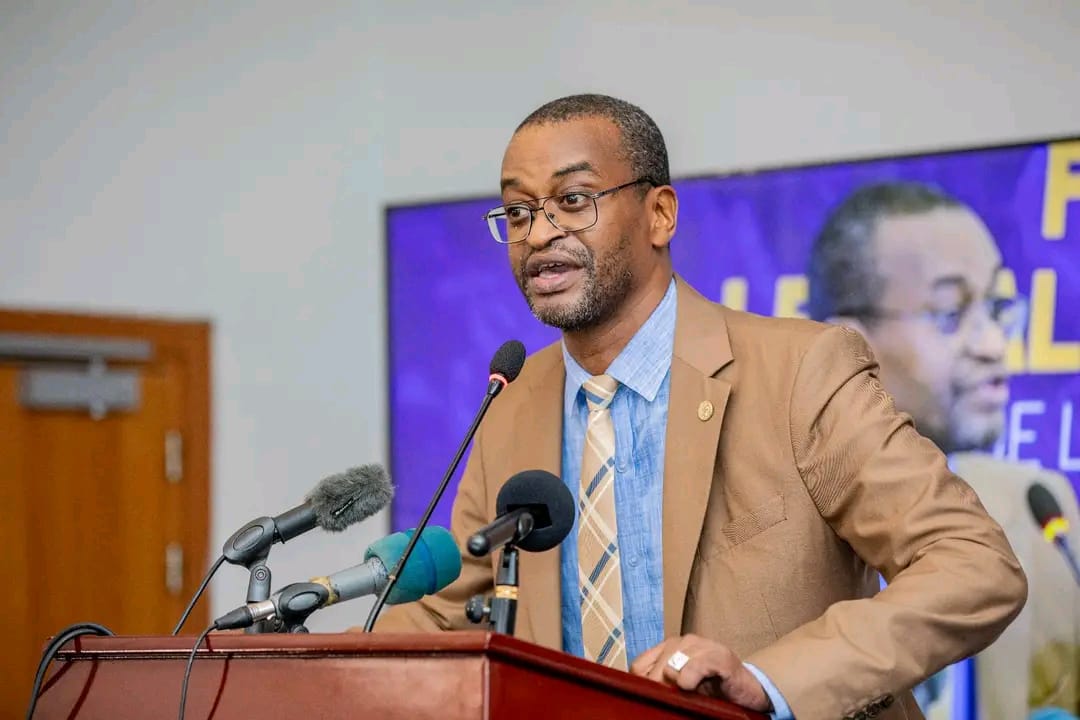
Speaking at a roundtable discussion organized by CFI Medias on the theme “How are the media responding to misinformation?”, REMAPSEN’s Special Advisor to the President and Director of Partnerships, Bouba Sow, outlined the network’s comprehensive strategy to tackle false information in health, climate, and environmental sectors.
The discussion took place as part of the Fabrique One Sustainable Health initiative on the sidelines of the prestigious One Health Summit, highlighting the growing international recognition of misinformation as a significant public health concern.
“Misinformation spreads rapidly across borders, especially in contexts where access to verified scientific information remains limited,” Sow explained to the gathering of media professionals and health experts. His presentation emphasized that REMAPSEN’s approach builds on three strategic pillars: collective action, capacity building, and cross-sectoral partnerships.
The network’s considerable reach—spanning more than 800 media outlets across over 40 African countries—provides a robust foundation for coordinated information dissemination. This continental presence allows REMAPSEN to harmonize messaging and ensure accurate information flows through trusted local channels, countering the often fragmented nature of misinformation campaigns.
Beyond mere coordination, REMAPSEN has prioritized enhancing the skills of journalists through targeted training programs. “Combating misinformation is not only about correcting falsehoods but also preventing their spread through responsible and informed reporting,” Sow emphasized. These capacity-building initiatives equip media professionals with tools to verify scientific data and translate complex health information into accessible content for diverse audiences.
The training efforts come at a crucial time when health and climate misinformation has surged across Africa, particularly during recent public health emergencies. Industry analysts note that while social media platforms have accelerated the spread of falsehoods, they have simultaneously created new opportunities for fact-checking networks to intervene rapidly.
Sow’s presentation highlighted the critical importance of partnerships in establishing credible communication channels. REMAPSEN actively fosters collaboration between media organizations, scientific institutions, governments, international agencies, civil society groups, and development partners—an approach that mirrors the integrative “One Health” framework that considers human, animal, and environmental health as interconnected systems.
“The fight against misinformation requires deliberate, collective, and professional effort grounded in credible sources,” Sow noted. He urged that media outlets be recognized not merely as information channels but as essential stakeholders in shaping informed public discourse on critical issues affecting the continent.
The roundtable discussion underscored a growing consensus among global health communicators that effective responses to misinformation demand coordinated strategies and well-trained media ecosystems. This approach has gained particular relevance as Africa faces intersecting challenges of climate change, emerging infectious diseases, and environmental degradation—all areas where accurate public information is essential for effective policy responses.
Media experts attending the summit noted that REMAPSEN’s model could offer valuable lessons for similar networks in other regions confronting comparable challenges with health and environmental misinformation.
As the One Health Summit concluded, participants affirmed the critical role of networks like REMAPSEN in bridging the gap between scientific knowledge and public understanding—a relationship increasingly recognized as fundamental to addressing Africa’s most pressing health and environmental challenges.
Fact Checker
Verify the accuracy of this article using The Disinformation Commission analysis and real-time sources.

14 Comments
As someone who follows the mining and commodities sector, I’m particularly interested in how REMAPSEN plans to address misinformation related to issues like resource extraction, environmental impact, and market dynamics. Transparency and fact-based reporting will be crucial.
That’s a great point. The mining and energy industries are often targets of misinformation campaigns, so REMAPSEN’s work could help ensure the public has access to accurate, impartial information on these important topics.
Misinformation is a serious issue that can have real-world consequences, especially in fields like public health and the environment. I’m glad to see REMAPSEN taking a coordinated, multilateral approach to combat this problem across Africa.
Agreed. Media outlets have a responsibility to verify information and provide accurate, fact-based reporting to the public. This collaborative effort sounds like a step in the right direction.
Combating misinformation is a daunting challenge, but I’m encouraged to see REMAPSEN taking a leadership role. Their approach of engaging media professionals and health experts across Africa is a smart way to tackle this problem at the regional level.
I agree. Building partnerships and coordinating a unified response will be crucial. Misinformation thrives in siloes, so REMAPSEN’s collaborative model is a step in the right direction.
As someone interested in the mining and commodities sector, I’m curious to see how REMAPSEN plans to address misinformation related to issues like resource extraction, environmental impact, and market dynamics. Transparency and fact-based reporting will be key.
That’s a great point. The mining and energy industries are often targets of misinformation campaigns. REMAPSEN’s work could help ensure the public has access to accurate, impartial information on these important topics.
Misinformation can have serious consequences, particularly in fields like public health and the environment. I’m encouraged to see REMAPSEN taking a regional, cross-border approach to addressing this challenge across Africa.
Agreed. Tackling misinformation requires a coordinated, multilateral response. REMAPSEN’s work to engage media professionals and health experts is a smart way to combat the spread of false information.
The One Health framework recognizes the interconnectedness of human, animal, and environmental health. Tackling misinformation through this lens is a smart strategy, as many health and environmental issues don’t respect national boundaries.
Absolutely. Misinformation can spread rapidly across borders, especially in regions with limited access to reliable scientific information. REMAPSEN’s regional coordination efforts will be crucial.
The mining and commodities sectors face unique challenges when it comes to public perception and information sharing. I’m hopeful that REMAPSEN’s work will help foster greater transparency and fact-based discourse around these important industries.
Absolutely. Accurate, well-informed reporting is essential, especially on complex topics like resource extraction, energy production, and environmental impact. REMAPSEN’s efforts could make a real difference in this regard.