


Listen to the article
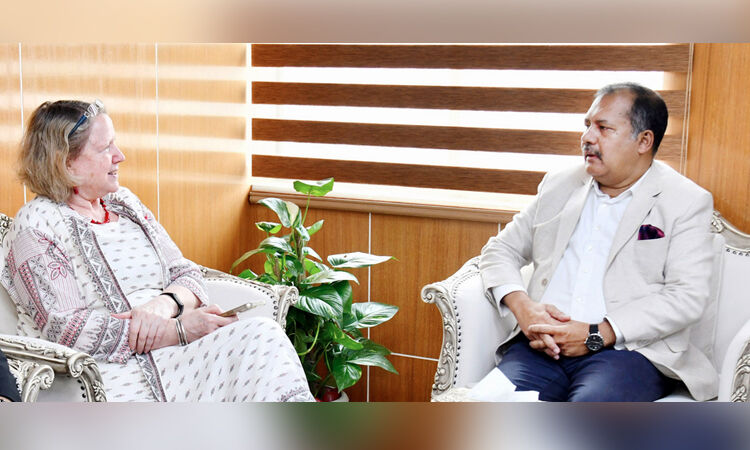
Bangladesh’s Information and Broadcasting Minister Zahir Uddin Swapon has urged UNESCO to develop a comprehensive strategy to combat the escalating threats of misinformation and disinformation in the country’s media landscape. The minister emphasized the need for a structured roadmap backed by UNESCO’s technical expertise during talks with the organization’s country representative to Bangladesh, Susan Vize.
The high-level meeting, which took place at the secretariat on Wednesday, brought together key figures from both Bangladesh’s government and UNESCO to address growing concerns about false information spreading through traditional and digital media channels.
During discussions, Vize detailed UNESCO’s current initiatives in Bangladesh, highlighting the organization’s multifaceted approach to strengthening media development and implementing policy frameworks specifically designed to counter the proliferation of false information. These efforts come at a critical time when misinformation is increasingly recognized as a threat to democratic processes and social cohesion worldwide.
“We are placing significant emphasis on fact-checking methodologies and have implemented training programs for university students to develop their skills in information verification techniques,” Vize explained. This educational approach aims to build a foundation of media literacy among younger generations who consume and share information primarily through digital platforms.
Minister Swapon expressed strong support for these initiatives and identified numerous opportunities to deepen the partnership between the Bangladesh government and UNESCO. “There is considerable scope to expand our collaboration in the media sector,” he noted, particularly emphasizing the importance of enhancing transparency and credibility in increasingly complex digital information environments.
The minister’s call for action comes amid global concerns about the detrimental effects of misinformation on public discourse and democratic processes. Bangladesh, like many developing nations, faces particular challenges in regulating digital content while balancing freedom of expression with the need to protect citizens from harmful false information.
Vize reassured the minister of UNESCO’s continued commitment to supporting Bangladesh in addressing these challenges. The organization has been working globally to promote media literacy, support independent journalism, and develop regulatory frameworks that can help governments and civil society organizations respond effectively to misinformation threats.
The meeting was also attended by State Minister Yeaser Khan Choudhury and Secretary Mahbuba Farjana, underscoring the government’s high-level commitment to addressing these issues.
Media experts have noted that Bangladesh’s call for UNESCO support comes at a time when the country is experiencing rapid digitalization, with increasing internet penetration and social media usage creating both opportunities and vulnerabilities in the information ecosystem.
The proposed structured roadmap would likely include components such as media literacy education, professional development for journalists, regulatory guidelines for social media platforms, and technical infrastructure for fact-checking initiatives. Such a comprehensive approach aligns with UNESCO’s global strategy on information disorders, which emphasizes the importance of multi-stakeholder cooperation.
UNESCO has been active in similar initiatives across South Asia, where countries face comparable challenges with misinformation spread through messaging apps and social media platforms. Their expertise could be particularly valuable in helping Bangladesh develop context-specific solutions that address local information challenges while adhering to international best practices.
The collaboration between Bangladesh’s Information and Broadcasting Ministry and UNESCO represents an important step toward creating a more resilient information ecosystem in the country, one that can better withstand the challenges posed by deliberate disinformation campaigns and unintentional spread of false information.
As digital transformation continues to reshape how citizens access and consume news, this partnership may serve as a model for other countries seeking to strengthen their defenses against information disorders while preserving open and democratic media environments.
Fact Checker
Verify the accuracy of this article using The Disinformation Commission analysis and real-time sources.

12 Comments
Addressing the proliferation of false information in traditional and digital media channels is a critical task. I hope the Bangladeshi government’s collaboration with UNESCO leads to effective solutions that promote reliable information and media literacy.
Fact-checking methodologies and training programs sound like a promising approach. Strengthening media development and policy frameworks will be key in this battle against misinformation.
Combating misinformation is crucial for maintaining a well-informed society. I’m glad to see the Bangladeshi government seeking UNESCO’s expertise in this area. Strengthening media development and fact-checking initiatives can go a long way in tackling the spread of false information.
Agreed. Misinformation poses serious risks to democratic processes and social cohesion. A comprehensive strategy backed by UNESCO’s technical support could be highly beneficial.
Misinformation can undermine democratic processes and social cohesion, so I’m glad to see the Bangladeshi government taking proactive steps to address this issue. UNESCO’s expertise and technical support could be invaluable in this effort.
Implementing policy frameworks and training programs to counter the spread of false information is crucial. I hope this collaborative approach between Bangladesh and UNESCO yields tangible results in the fight against misinformation.
The escalating threats of misinformation and disinformation in the media landscape are concerning. I hope the Bangladeshi government and UNESCO can develop an effective roadmap to address this challenge and promote reliable information.
Fact-checking methodologies and media development programs sound like a step in the right direction. Strengthening media literacy and public awareness will also be key in this battle against misinformation.
Misinformation is a threat that must be taken seriously. The Bangladeshi government’s efforts to work with UNESCO on this issue are commendable. I’m curious to see the specific initiatives and their impact on the media landscape.
Developing a comprehensive strategy to counter misinformation is an important step. I hope the collaboration between Bangladesh and UNESCO yields tangible results in promoting accurate and trustworthy information.
The need for a structured roadmap to combat misinformation is clear. I’m curious to see how the Bangladeshi government and UNESCO will work together to strengthen media development and fact-checking initiatives in the country.
Misinformation is a global challenge, and I’m glad to see Bangladesh taking a proactive stance. UNESCO’s involvement could bring valuable insights and best practices from other contexts.