


Listen to the article
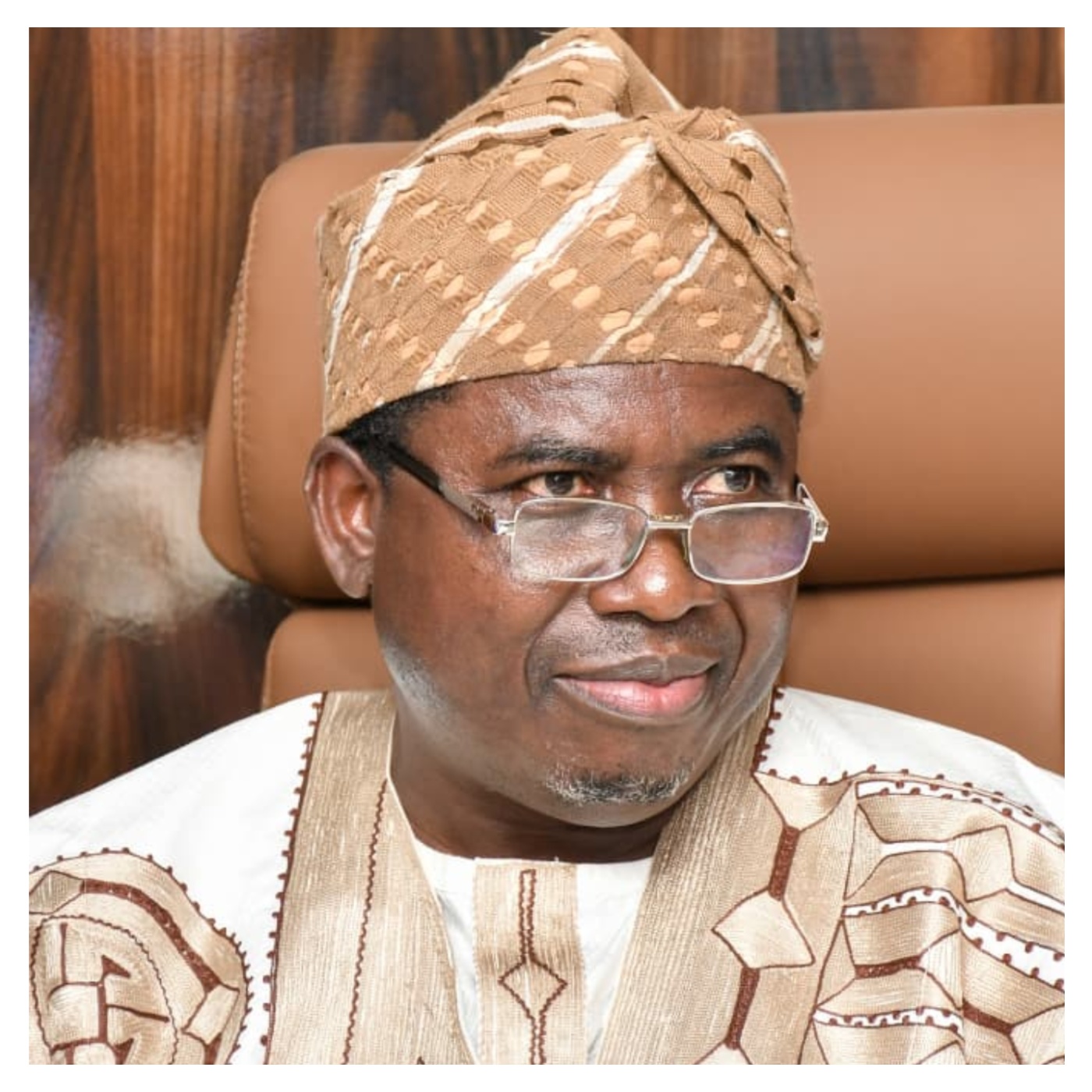
Nigeria’s electoral chief, Professor Joash Amupitan, has acknowledged a “significant trust deficit” facing the Independent National Electoral Commission (INEC) ahead of the 2027 general elections, urging media organizations to help rebuild public confidence in the electoral process.
Speaking during his first formal meeting with the INEC Press Corps in Abuja on Wednesday, Amupitan called on journalists to partner with the commission in reshaping national narratives around elections and ensuring transparency is effectively communicated to Nigeria’s 200 million citizens.
“We are acutely aware of the skepticism often held by the Nigerian electorate,” Amupitan said in the statement made available to TVC News. The chairman, who took office in late 2025 after succeeding Professor Mahmood Yakubu, emphasized the critical role media plays in conveying electoral information to the public.
The admission comes at a crucial time as INEC prepares for a series of high-stakes elections under Nigeria’s revised electoral framework established by the Electoral Act 2026. The commission recently announced January 16, 2027, as the date for the Presidential and National Assembly elections, a decision made after adjusting the original timeline that conflicted with Ramadan observances. Governorship and State House of Assembly elections will follow on February 6, 2027.
Segun Ojumu, Chairman of the INEC Press Corps who led the delegation to the commission’s headquarters, described Nigerian elections as a “huge logistical challenge” requiring collaboration among all stakeholders. Ojumu praised Amupitan’s leadership, noting the “transparent manner” in which the new chairman has managed INEC since assuming office.
Electoral analysts consider the upcoming off-cycle elections in two southwestern states crucial tests for INEC’s operational readiness before the national polls. These elections in Ekiti State (scheduled for June 20, 2026) and Osun State (August 8, 2026) operate on different timelines from the rest of the country and will serve as important indicators of the commission’s preparedness for the general elections.
Nigeria’s electoral system has faced persistent challenges with public perception in recent decades. Issues ranging from logistical failures to allegations of manipulation have contributed to widespread voter apathy and distrust. The 2023 general elections, while marking improvements in some areas, still faced significant criticism over operational challenges and transparency concerns.
Amupitan’s acknowledgment of this trust deficit represents a departure from previous administrations’ more defensive stances. Political analysts suggest this more candid approach could potentially open doors for meaningful electoral reforms if followed by concrete actions.
The electoral commission faces mounting pressure to deliver on technological improvements, particularly with the Bimodal Voter Accreditation System (BVAS) and electronic transmission of results, which experienced mixed implementation in previous elections. Civil society organizations continue to advocate for these technological solutions as safeguards against manipulation.
Professor Amupitan has pledged to deliver “free, fair, and inclusive” polls as Nigeria enters what promises to be an intensive electoral period. His administration’s ability to address the trust deficit while managing the enormous logistical demands of organizing elections across Africa’s most populous nation will likely define his tenure.
The meeting with the Press Corps also included John Onah, Assistant Secretary of the Press Corps, and Chux Ukwuatu, Welfare Director, indicating the commission’s efforts to strengthen relationships with key media stakeholders ahead of the electoral cycle.
Fact Checker
Verify the accuracy of this article using The Disinformation Commission analysis and real-time sources.

9 Comments
Tackling misinformation is a challenge, but an important one. INEC’s acknowledgment of the trust deficit is a good first step. I’m curious to see their specific plans to engage the media on this.
The 2026 electoral reforms seem to have set the stage for these efforts. It will be interesting to see how INEC and the media navigate this landscape to ensure a free and fair election.
Addressing misinformation is a challenge, but an important one for the integrity of Nigeria’s democracy. I’m glad to see INEC taking proactive steps to partner with the media on this.
Interesting move by the INEC chairman to address public trust issues ahead of the 2027 elections. Media will play a crucial role in combating misinformation and keeping the electorate informed.
A ‘significant trust deficit’ is concerning, but I’m hopeful that INEC and the media can work together to rebuild confidence in the electoral process. Clear, accurate communication will be crucial.
Agreed. Transparency and fact-based reporting from the media will be vital to counter misinformation and strengthen trust in the electoral system.
Rebuilding public confidence in the electoral process is essential for a healthy democracy. I hope the media and INEC can work together effectively to ensure transparency and accuracy of information.
Agreed. Transparent communication and partnership between INEC and media will be key to a successful and credible election.
The 2027 elections will be a key test for Nigeria’s democratic institutions. I hope INEC and the media can work collaboratively to ensure a free, fair, and well-informed electoral process.