


Listen to the article
In an interview with BBC, Bollywood filmmaker Suparn Verma discussed his film “Haq,” describing it as an attempt to provide an informed perspective on Shariah law and women’s rights through the lens of a legal drama.
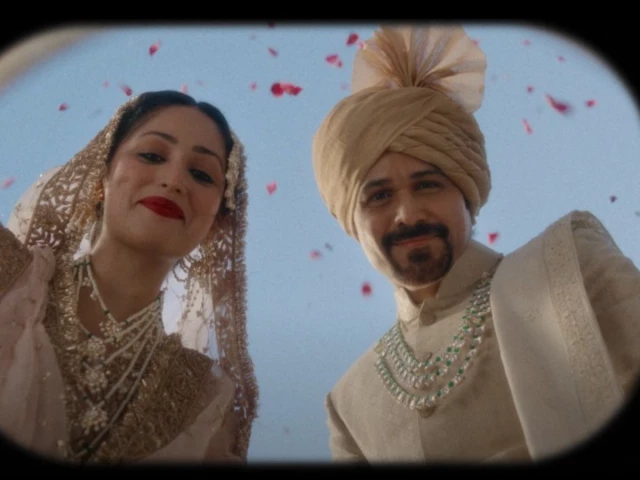
The film, which has garnered significant attention since its release, follows the story of protagonist Shazia Bano, portrayed by actress Yami Gautam, who fights a legal battle for alimony and dignity after being abandoned and divorced. Her personal struggle evolves into a national conversation about women’s rights in India.
Verma emphasized the extensive preparation undertaken for authenticity, noting that Gautam “spent four months understanding the dialect” and learning the Quran for her role. “The way we are using the Quran, we are quoting the Quran. It’s all there,” Verma explained, adding that this commitment to accuracy led him to conclude the film with the significant Arabic word “Iqra,” which means “read” or “recite” and is considered the first word revealed in the Quran.
The filmmaker expressed surprise at the overwhelming response to the film. “Honestly, you hope for a wave of love. You never expect a tsunami of connection the way ‘Haq’ has,” he told the BBC, confirming that many viewers have found personal resonance with Shazia’s story.
In an era of digital misinformation, Verma positioned his film as a corrective to widespread misconceptions about Islam. “There are so many misnomers when it comes to Islam. Today, we live in the age of misinformation,” he said, referencing controversial figures like Andrew Tate whose views on gender have sparked debate. “It’s a warped world that we live in… Everybody has information. You don’t know whether it’s right or wrong. In that space, I wanted ‘Haq’ to be a voice of reason.”
The production process involved rigorous research, with Verma and his team spending “almost a year and a half understanding Islamic law.” The filmmaker, who is not Muslim himself, cited lifelong friendships with Muslims and his identity as an Indian as motivations for delving deeply into the subject matter.
“Haq” addresses controversial topics including Shariah law and the practice of triple talaq (instant divorce), which was banned in India in 2019 after decades of activism by women’s rights groups. “When we talk about triple talaq, I wanted to take away the misnomers. I wanted you to understand mahr existed as a prenup for women,” Verma explained, referencing the Islamic concept of a mandatory payment made by the groom to the bride.
Despite the film addressing issues rooted in decades-old debates, Verma defended its contemporary relevance when questioned about the timing. “Somebody asked me, why did you make this film today? It’s 40 years old. And I’m like, what’s changed in 40 years for women? They lived in a man’s world then, they live in a man’s world now. They fight the same glass ceiling, the same biases.”
The film comes during a period of heightened discussion about gender equality in India’s entertainment industry, with more filmmakers exploring complex social issues through mainstream cinema. By centering a legal drama around Islamic personal law and women’s rights, “Haq” joins a growing number of productions using entertainment as a vehicle for social commentary on religious practices, gender dynamics, and legal frameworks in contemporary India.
Fact Checker
Verify the accuracy of this article using The Disinformation Commission analysis and real-time sources.

9 Comments
Anytime a filmmaker can use their platform to counter misinformation and promote greater understanding, it’s a welcome development. Wishing the ‘Haq’ team all the best with this important work.
The choice to end the film with the powerful word ‘Iqra’ from the Quran is a meaningful touch. Small details like that can really resonate and make a lasting impact.
Interesting that this film aims to provide a more informed perspective on Shariah law and women’s rights in Islam. It’s important to counter misinformation with factual and nuanced portrayals.
The fact that this film is generating such a strong response suggests there is a real need and appetite for this kind of nuanced, well-researched exploration of Islamic law and women’s rights. Kudos to the team.
As someone interested in the intersection of film, culture, and social issues, I’m intrigued by this project. I’ll have to keep an eye out for more information and reviews of ‘Haq’.
The overwhelmingly positive response to the film is heartening. There seems to be a real appetite for balanced, insightful depictions of these important issues.
It’s great to see a Bollywood production tackling complex topics like women’s rights and religious law in a thoughtful way. Kudos to the filmmakers for taking on this important work.
The filmmaker’s commitment to authenticity by having the lead actress learn the Quran and dialect is admirable. This level of research and attention to detail can really make a difference.
Yes, that attention to detail is crucial for building understanding and challenging stereotypes.