


Listen to the article
Public health experts have raised significant concerns over the United States’ capacity to handle infectious disease threats following an outbreak of hantavirus aboard the Dutch cruise ship MV Hondius. The incident has highlighted troubling gaps in the U.S. public health infrastructure, particularly in light of recent policy decisions that have weakened the country’s disease response capabilities.
According to The Guardian, the hantavirus outbreak has become a test case for America’s public health readiness at a time when the system faces unprecedented challenges. The U.S. withdrawal from the World Health Organization (WHO) and substantial cuts to health funding have left federal agencies struggling to mount an effective response.
Health authorities have been quick to emphasize that while passengers of the MV Hondius and their close contacts face potential risks, the broader public has little cause for alarm. “This is not Covid, this is not influenza. It spreads very, very differently,” explained Maria Van Kerkhove, WHO’s director of epidemic and pandemic management. Experts have consistently maintained that a hantavirus pandemic remains unlikely, even with confirmed and suspected cases of Andes virus linked to the cruise ship.
The current outbreak involves a specific type of hantavirus—the Andes virus—which can spread from person to person, unlike most other hantavirus strains that typically transfer from rodents to humans. However, transmission requires close contact with an infected individual, making widespread community transmission improbable under normal circumstances.
What has proven more contagious than the virus itself is the wave of misinformation sweeping across social media platforms. Bill Hanage, epidemiology professor at Harvard University, observed that while most people worldwide have no reason for concern, the spread of false information could undermine public trust in health authorities and reduce compliance with necessary precautions.
“When misinformation runs rampant, people become less likely to follow legitimate health guidance when it really matters,” Hanage noted.
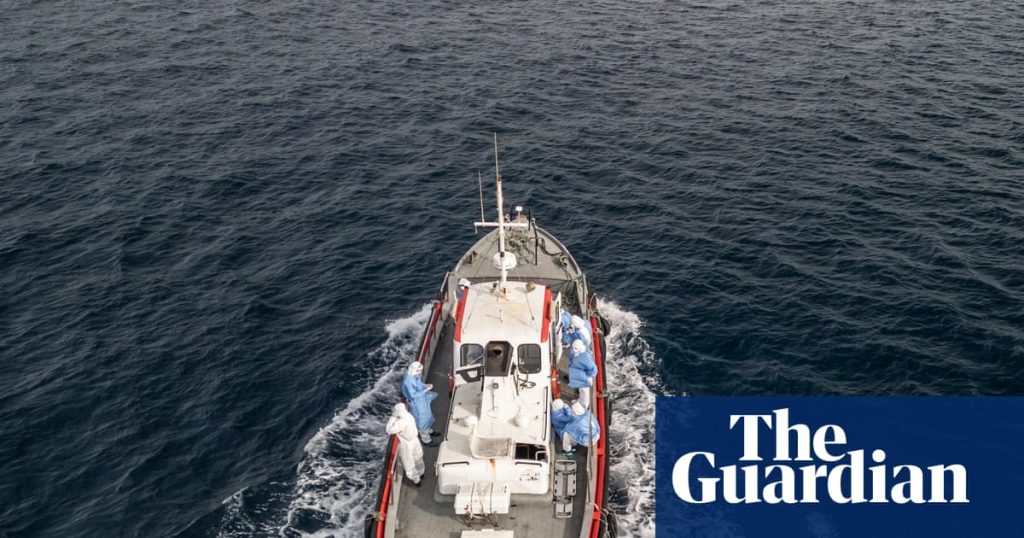
The Centers for Disease Control and Prevention (CDC) has come under particular scrutiny for its handling of the situation. Critics point to a conspicuous lack of public briefings and poor coordination with international health authorities during the critical early days of the outbreak. The agency’s delayed decision to dispatch personnel to the cruise ship in the Canary Islands has further fueled concerns about operational readiness.
One senior public health official, speaking on condition of anonymity, described the response as “worryingly disjointed” and suggested that budget constraints have left the CDC without adequate resources to address rare disease outbreaks while maintaining routine operations.
The situation aboard the MV Hondius represents more than just an isolated health incident—it serves as a warning about the consequences of diminished public health capacity. Over the past three years, substantial reductions in funding and staffing across federal health agencies have eroded America’s ability to monitor, detect, and respond to emerging infectious threats.
Public health advocates argue that this deterioration in capacity is particularly alarming given the lessons of the COVID-19 pandemic. “We’re seeing in real-time what happens when we fail to maintain robust disease surveillance systems and international health partnerships,” said one epidemiologist familiar with federal response protocols.
The hantavirus incident also underscores the importance of international cooperation in addressing global health threats. While the WHO continues to coordinate the multi-country response to the outbreak, the absence of full U.S. participation represents a significant departure from historical patterns of leadership in global health crises.
As health officials work to contain the current outbreak, the broader implications for U.S. pandemic preparedness remain a pressing concern. Experts warn that without renewed investment in public health infrastructure and international partnerships, the country may find itself increasingly vulnerable to future disease threats, regardless of their origin or transmission pattern.
Fact Checker
Verify the accuracy of this article using The Disinformation Commission analysis and real-time sources.

8 Comments
While a hantavirus pandemic may be unlikely, this incident reveals vulnerabilities in the US public health infrastructure. Strengthening disease surveillance, research, and international cooperation should be top priorities to safeguard against future outbreaks, whether from known or emerging pathogens.
Hantavirus outbreaks are quite rare and not as easily transmissible as COVID-19. However, it’s still concerning to see gaps in the US public health infrastructure that could hamper a timely response. Hopefully, this serves as a wake-up call to strengthen disease preparedness.
I agree. Investing in robust public health systems is critical to protect against emerging infectious threats, whether it’s hantavirus or the next pandemic. Reducing funding and withdrawing from global health organizations is shortsighted.
The hantavirus incident on the Dutch cruise ship has exposed significant weaknesses in the US public health infrastructure. Experts are right to sound the alarm, as these gaps could hamper the country’s ability to effectively respond to future infectious disease threats. Rebuilding and strengthening this capacity should be a national priority.
The hantavirus outbreak on the cruise ship is a sobering reminder that the US needs to shore up its public health capabilities. Cutting funding and withdrawing from global health organizations like the WHO is a risky move that could undermine America’s ability to detect and respond to infectious disease threats.
I agree. Staying engaged with international health authorities and maintaining robust disease monitoring systems are critical for the US to stay ahead of evolving health challenges. Reducing this capacity could leave the country vulnerable to the next pandemic, whether it’s hantavirus or something else.
The hantavirus outbreak on the cruise ship highlights the need for the US to maintain its global health leadership and collaborations. Downplaying these risks or spreading misinformation could have serious consequences. Public health experts should be empowered to provide clear, science-based guidance.
Absolutely. Transparent communication from health authorities is crucial to counter the spread of misinformation, which can undermine public trust and hamper effective disease response. Reliable data and evidence-based policies should guide the US pandemic preparedness strategy.