


Listen to the article
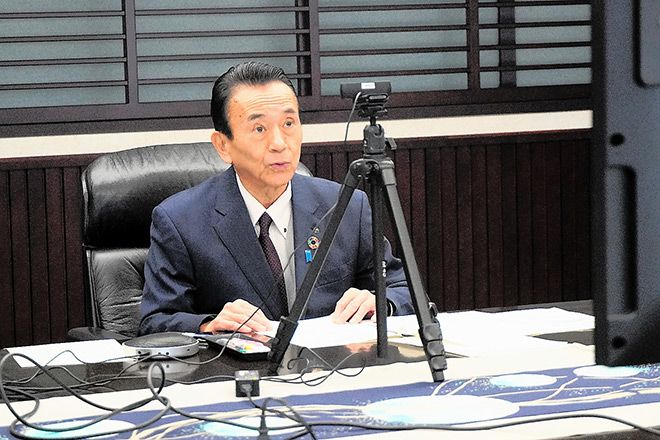
In a significant move to combat rising xenophobia, Japan’s National Governors’ Association has drafted a joint statement directly challenging the spreading sentiment that “As foreigners increase, so does crime.” The initiative, spearheaded by Shizuoka Governor Yasutomo Suzuki, aims to address growing social media misinformation and ease public anxieties about international residents.
The declaration, tentatively titled “Joint declaration by governors nationwide aiming to realize a multicultural society,” is expected to receive formal approval during a meeting of all 47 Japanese governors on November 26. The document represents a united stance from leaders across Japan’s 46 prefectures and Tokyo.
This latest action builds upon previous efforts by the association, which has already called on the central government to develop a comprehensive plan for accepting non-Japanese nationals, enact fundamental legislation on multicultural coexistence, and establish a dedicated oversight organization for international residents.
The declaration rests on three fundamental pillars. The first focuses on promoting multicultural coexistence through community-building initiatives that bring Japanese citizens and foreign residents together. This section takes a firm stance against xenophobia, explicitly rejecting “exclusivism and xenophobia based on information not grounded in facts or data.” Instead, it advocates for “calm discussions based on realistic evidence and concrete measures, without relying on impressions.”
The second pillar addresses “coexistence based on rules and ensuring peace of mind,” clarifying that multiculturalism “does not mean the disorderly acceptance or preferential treatment for foreigners.” This section outlines plans to provide comprehensive information and consultation services on everyday matters such as garbage disposal and noise regulations to help international residents understand local rules. It also emphasizes the importance of expanding Japanese-language learning opportunities.
The declaration’s third pillar emphasizes “accurate and proactive information dissemination,” highlighting the crucial economic role that foreign residents play in Japan. The document points out that international residents have become “indispensable members of the community,” helping to offset Japan’s demographic challenges across various sectors including manufacturing, services, construction, and healthcare fields.
This section also directly confronts the xenophobic narrative by noting that criminal convictions among foreigners have actually been decreasing even as the international population grows. The governors aim to use this factual information to dispel unfounded fears and encourage public discourse based on accurate data rather than stereotypes.
The declaration comes at a pivotal moment in Japan’s relationship with its foreign resident population. During a meeting in late July, the association compiled a proposal urging the central government to improve conditions for accepting foreign nationals, stating that “from the perspective of local governments, foreigners are the same ‘residents’ and ‘community members’ as Japanese.”
This latest action appears to be a direct response to growing nationalist sentiment in Japan’s political sphere. The far-right Sanseito party recently gained ground in July’s Upper House election after campaigning for stricter screening of foreigners, prompting concern among many governors about the potential social impact of such rhetoric.
By issuing this joint declaration, Japan’s governors are taking a proactive stance in shaping the national conversation around immigration and multiculturalism, emphasizing facts over fear and community building over division at a time when Japan faces significant demographic challenges that may require greater international integration.
Fact Checker
Verify the accuracy of this article using The Disinformation Commission analysis and real-time sources.

16 Comments
This is a welcome development, especially given the rise of xenophobic sentiment in some areas. Glad to see Japanese leaders taking proactive steps to foster a more inclusive and tolerant society.
Curious to see how the central government responds and whether they will support the governors’ efforts to develop a comprehensive plan for accepting non-Japanese nationals.
This joint declaration is a welcome development in the fight against online misinformation and its real-world impacts. Glad to see leaders taking proactive steps to address these challenges.
Curious to see how the central government responds and whether they will support the governors’ calls for a comprehensive plan and new legislation on multicultural coexistence.
The declaration’s focus on addressing social media misinformation is crucial. Spreading false narratives about crime and foreigners can significantly impact public perceptions and lead to harmful policies.
Establishing an oversight organization for international residents could help ensure their rights and concerns are properly addressed. Hopeful this leads to positive changes.
This joint statement by Japanese governors is an encouraging development. Tackling online misinformation and xenophobia head-on is an important step toward building a more inclusive society.
The community-building efforts outlined in the declaration could go a long way in breaking down barriers and fostering greater understanding between Japanese and non-Japanese residents.
Interesting to see governors taking a stand against online misinformation and xenophobia. This joint statement could help foster greater understanding and inclusion of international residents across Japan.
Agreed, tackling social media misinformation head-on is an important step. Establishing a dedicated oversight organization for international residents also seems like a positive move.
Promoting multicultural coexistence and addressing xenophobic narratives online are critical issues. The governors’ initiative seems like a positive step in the right direction.
Establishing an oversight organization for international residents could help ensure their needs and concerns are properly addressed. Hopeful this leads to meaningful change.
The three pillars of the declaration – promoting multicultural coexistence, enacting legislation, and creating an oversight body – sound like a comprehensive approach to address these challenges.
Community-building initiatives that bring Japanese and non-Japanese residents together could go a long way in breaking down barriers and misconceptions.
Kudos to the Japanese governors for taking this bold stance. Combating xenophobia and promoting multicultural coexistence are important steps for a more inclusive and equitable society.
The community-building initiatives sound like a smart approach to fostering greater understanding and interaction between Japanese and non-Japanese residents.