


Listen to the article
Medical Experts Warn Against Social Media Nutrition Misinformation
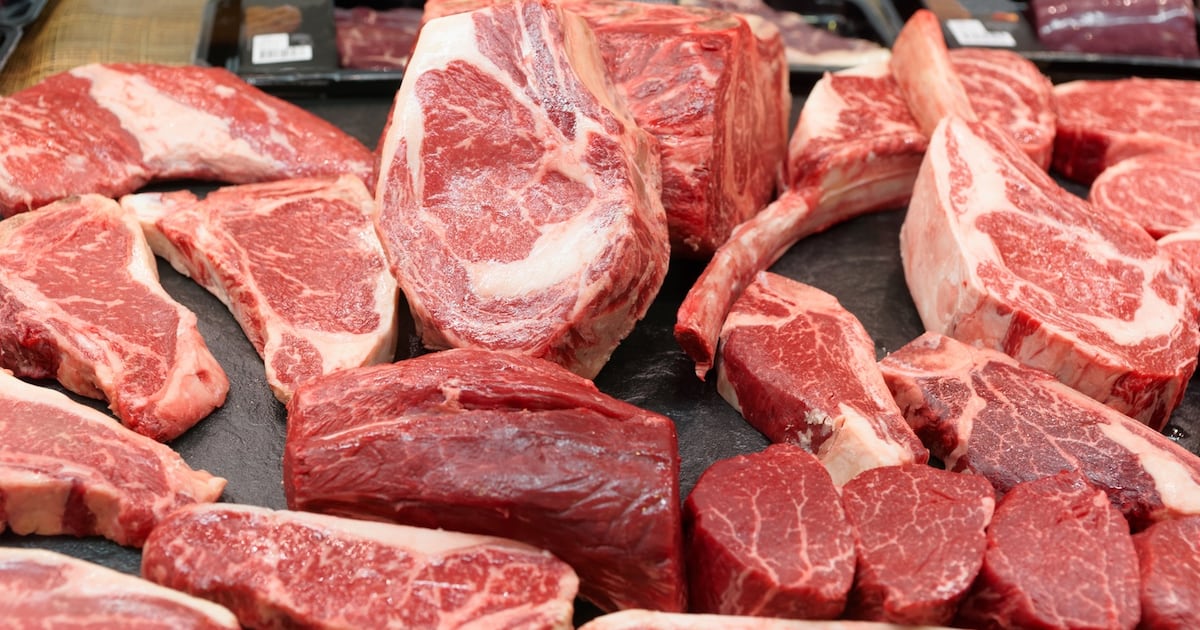
Social media influencers promoting extreme diets like the carnivore diet—which encourages unlimited consumption of beef, butter, and bacon—are spreading dangerous dietary misinformation, according to medical professionals.
Dr. Gary McGowan, a physician at Cork University Hospital with a master’s degree in preventative cardiology, has raised serious concerns about this trend. With 55,000 Instagram followers, Dr. McGowan actively works to counter misleading nutritional claims circulating on social media platforms.
“It’s all part of the manosphere political movement and Make America Healthy Again that sees red meat as masculine,” said Dr. McGowan. “This carnivore diet can dramatically increase LDL cholesterol to three to five times the normal range for a healthy adult. It goes against over 50 years of research on the links between saturated fat and heart disease.”
The medical expert also highlighted concerns about the marketing of electrolyte drinks to the general population. These products, which can contain three times the recommended daily intake of salt, are being promoted for everyday consumption despite being designed for specific groups.
“It’s about convincing people they need more salt, but more salt will lead to an increase in high blood pressure in a population which already has high rates,” Dr. McGowan explained. “Electrolyte drinks are marketed at people to stay hydrated and boost their cognition, but they are only for certain groups such as endurance athletes or those working outdoors in hot countries.”
At a Food Safety Authority of Ireland (FSAI) event in Dublin last Thursday, Dr. McGowan discussed strategies to counter nutritional misinformation. He emphasized the importance of clarifying a person’s viewpoint using their own words and responding clearly to one point at a time.
“Debate is not just about knowledge, it’s about how you approach the argument,” he noted. Dr. McGowan added that the public can easily be misled by social media influencers giving nutritional advice because “the untrained eye doesn’t know how to interpret nutritional evidence.”
This problem is compounded by artificial intelligence, as Dr. McGowan pointed out. “If you ask AI to give you a summary of why saturated fat does not increase the risk of heart disease or why saturated fat does increase the risk of heart disease, you won’t be able to tell which is correct.”
Greg Dempsey, CEO of the FSAI, acknowledged the challenges faced by health authorities in the digital age. “Digital media shapes opinion long before the experts can reach them,” he said. “We are challenged by other actors who don’t have the same rigour, transparency and objective to protect public health.”
The consequences of this misinformation are significant, according to Dempsey, leading to “unnecessary fear and confusion, unsafe food practices, viral food consumption challenges and the promotion of restrictive diets.”
The problem extends beyond nutrition into the broader information landscape. Journalist and entrepreneur Mark Little, who also spoke at the event, noted that approximately 50 percent of internet content is now generated by artificial intelligence, further complicating the fight against misinformation.
“Misinformation makes [some] people feel powerful. It is this secret knowledge that we have undervalued,” Little said. He suggested that “pre-bunking”—proactively seeding accurate information into social media channels—is one of the most effective strategies for countering disinformation.
The growing influence of social media “fit-fluencers” and dietary gurus represents a significant public health challenge, as they often lack medical credentials but command large audiences seeking health advice. Health authorities continue to grapple with effective strategies to ensure evidence-based nutritional information reaches the public amid the noise of viral content and influencer marketing.
Fact Checker
Verify the accuracy of this article using The Disinformation Commission analysis and real-time sources.

16 Comments
Interesting to see the connection between this diet trend and political movements. Seems like an ideological angle is being used to market an unhealthy lifestyle. Doctors need to remain vigilant in calling out misinformation, no matter the source.
Good point. Politicizing nutrition is concerning, as it can lead people to ignore evidence-based guidance in favor of partisan messaging. Medical professionals have a responsibility to provide impartial, science-based advice.
The marketing of electrolyte drinks as an everyday beverage is very concerning. Excessive salt intake can have serious health implications. Doctors are right to caution against these kinds of misleading product claims targeting consumers.
Agreed. These types of products should be used judiciously, if at all, by the general public. Medical professionals have an important role in ensuring nutrition information is factual and not exploited for commercial gain.
Electrolyte drinks being marketed for everyday use despite high salt content is another concerning trend. Consumers need clear, factual information to make healthy choices, not misleading product claims.
Agreed. Those types of products should be used cautiously, if at all, by the general public. Doctors and regulators have an important role in ensuring nutrition information is accurate and not exploited for commercial gain.
Interesting to see the political dimensions behind this diet trend. It’s concerning when health advice becomes ideologically driven rather than grounded in science. Doctors should continue to provide impartial, evidence-based guidance on nutrition.
Absolutely. Politicizing dietary recommendations is extremely problematic, as it can lead people to ignore credible medical advice in favor of partisan messaging. Maintaining objectivity is crucial for doctors working to counter misinformation.
The carnivore diet sounds very extreme and potentially dangerous, especially for heart health. Doctors are right to be concerned about the impact of this misinformation on public wellbeing. Balanced, science-backed nutrition advice is essential.
I agree. While individual dietary preferences may vary, promoting unlimited consumption of saturated fat and red meat goes against established nutritional guidelines. Medical professionals have a duty to counter these kinds of harmful claims.
The carnivore diet sounds very risky, especially for heart health. Promoting unlimited consumption of red meat and saturated fat goes against established dietary science. Doctors are right to warn against these influencer-driven dietary fads.
Absolutely. While some people may find certain restrictive diets work for them, it’s crucial that medical professionals guide the public on scientifically-validated nutrition advice, not fads that could be dangerous.
It’s disheartening to see the spread of misinformation on social media platforms. Doctors taking an active role to counter false claims is crucial for public health. Credible voices need to drown out harmful diet fads.
Absolutely. Social media has amplified the reach of dubious health advice, so it’s vital that medical professionals work to provide accurate, evidence-based information to the public. Responsible social media use is key.
Concerning to hear about the spread of dangerous diet misinformation online. Doctors should continue to provide evidence-based guidance on healthy, balanced nutrition, not extreme fads that can harm people’s health.
I agree, social media has become a breeding ground for dubious health claims. Fact-checking and credible medical voices are essential to counter these misleading narratives.