


Listen to the article
Skin Cancer Risks in Diverse Populations Highlight Diagnostic Disparities
Skin cancer, a condition often associated with fair-skinned populations, poses a significant yet underrecognized threat to individuals of all skin tones. Medical experts are increasingly concerned about the disparities in diagnosis and treatment outcomes among people of color.
Recent studies have shown that skin cancer diagnoses in patients with darker skin tones frequently occur at more advanced stages, significantly complicating treatment options and reducing survival rates. This diagnostic delay stems from multiple factors deeply rooted in both public perception and healthcare practices.
“The misconception that darker skin provides complete protection against skin cancer has proven dangerous,” explains Dr. Marisa Garshick, a board-certified dermatologist at Memorial Sloan Kettering Cancer Center. “While melanin does offer some natural protection, it doesn’t eliminate the risk entirely.”
Health professionals point to a troubling knowledge gap among both patients and providers. Many individuals with darker skin tones don’t consider themselves at risk for skin cancer, leading to reduced vigilance in skin self-examinations and preventative care. This perception is sometimes reinforced by media campaigns that predominantly feature fair-skinned individuals when discussing skin cancer prevention.
The medical community itself bears responsibility for these disparities as well. Research published in the Journal of the American Academy of Dermatology indicates that many healthcare providers demonstrate a lower index of suspicion for skin cancer when examining patients of color, potentially missing early warning signs that would prompt immediate intervention in lighter-skinned patients.
Dr. Andrew Alexis, Director of the Skin of Color Center at Mount Sinai West, notes that skin cancers often present differently in darker skin. “While the classic signs of melanoma follow the ABCDE rule—Asymmetry, Border irregularity, Color variation, Diameter, and Evolution—in darker skin, these cancers may appear less pigmented or show up in unexpected locations like the palms, soles, or under nails.”
These diagnostic challenges are compounded by a significant underrepresentation of diverse skin tones in dermatology textbooks and training materials. A 2018 review of major dermatology resources found that less than 5% of clinical images depicted conditions on darker skin, leaving many physicians ill-prepared to recognize skin cancer in diverse populations.
The consequences of these disparities are stark. According to data from the American Cancer Society, the five-year survival rate for melanoma—the deadliest form of skin cancer—is 66% for Black patients compared to 90% for white patients when diagnosed at the same stage.
“This isn’t just about awareness—it’s a matter of healthcare equity,” says Dr. Valerie Harvey, president of the Skin of Color Society. “Everyone deserves the same opportunity for early detection and successful treatment.”
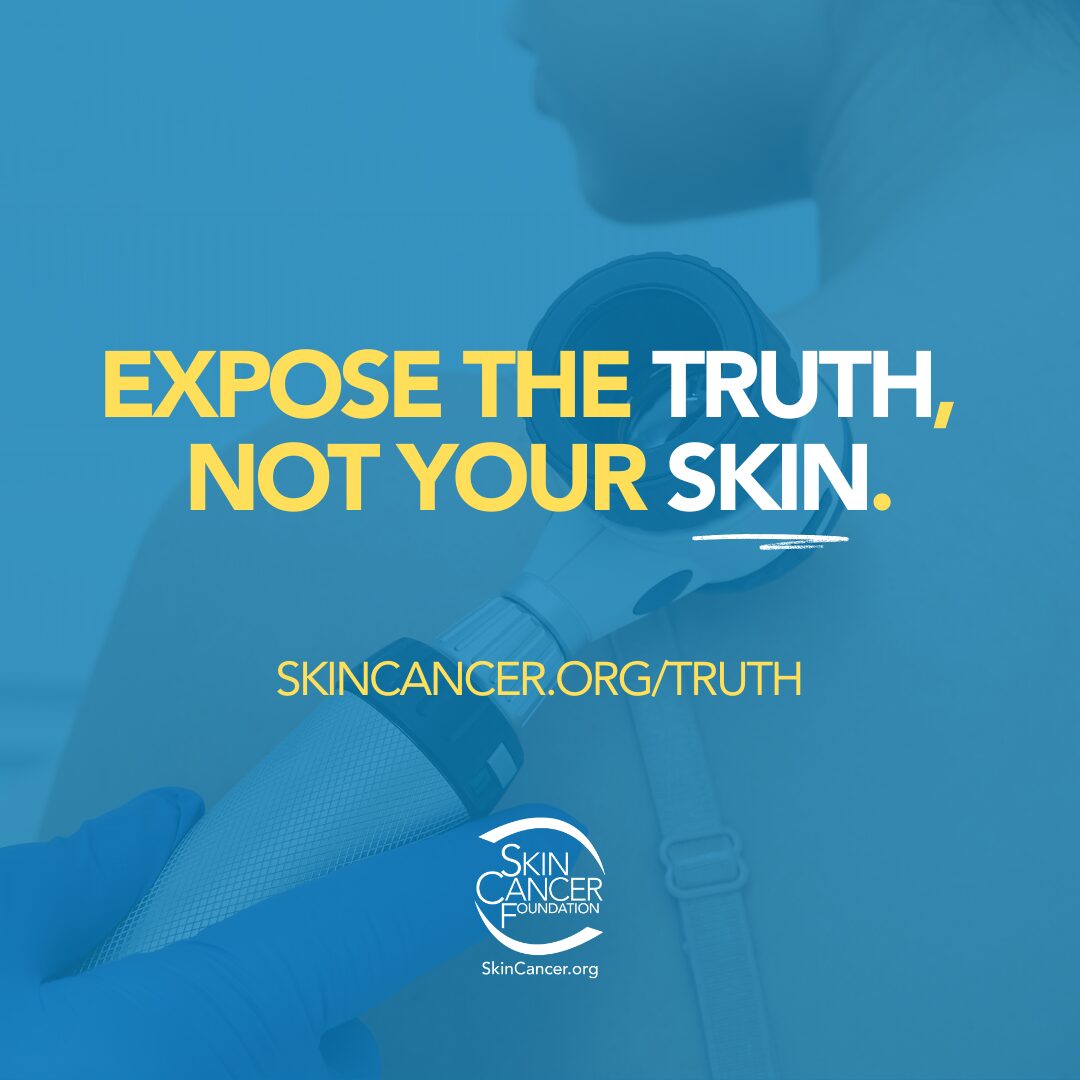
Public health organizations have begun addressing these disparities through targeted education campaigns. The Skin Cancer Foundation has expanded its resources with specific information for people of color, and organizations like the Black Dermatologists Association are working to increase representation in the field.
For patients, experts recommend regular skin self-examinations regardless of skin tone, with particular attention to areas like the palms, soles, nail beds, and mucous membranes—places where skin cancer more commonly develops in individuals with darker skin.
Healthcare providers are also being encouraged to incorporate more comprehensive skin cancer screening protocols for all patients, regardless of perceived risk based on skin tone.
As awareness grows about the universal risk of skin cancer across all skin types, medical professionals hope to see earlier diagnoses and improved outcomes for all population groups. The message from dermatologists is clear: skin cancer doesn’t discriminate, and neither should prevention and detection efforts.
Fact Checker
Verify the accuracy of this article using The Disinformation Commission analysis and real-time sources.

14 Comments
Fascinating to learn about the disparities in skin cancer diagnosis and treatment. This underscores the importance of tailored healthcare approaches.
Indeed. Increased awareness and culturally competent care are crucial for addressing these gaps and ensuring better outcomes for all patients.
Valuable information on a topic that doesn’t get enough attention. Skin cancer risks should be taken seriously by everyone, not just fair-skinned individuals.
Agreed. Increasing education and emphasizing the importance of regular skin checks could make a significant difference in early detection and treatment.
It’s concerning to hear about the delayed diagnoses and poorer survival rates for skin cancer in people with darker skin tones. More needs to be done to close these gaps.
Agreed. This is a complex issue that requires a multifaceted approach, from public education to provider training to improved screening protocols.
This is an important reminder that skin cancer can affect anyone, regardless of skin tone. Promoting greater awareness and early detection is key.
Absolutely. Addressing the misconceptions and biases in healthcare is critical for ensuring equitable care and improved outcomes for all patients.
Glad to see this myth being debunked. Melanin does provide some protection, but it’s not a guarantee against skin cancer. Regular skin checks are important for everyone.
Agreed. Misconceptions about skin cancer risk factors can lead to delayed diagnoses, which are especially problematic for people of color.
This highlights the need for more inclusive cancer research and outreach. Skin cancer prevention and detection should be a priority for all populations.
Absolutely. Focusing on equitable access to education and early intervention could make a big difference in improving outcomes.
This is an important issue that needs more awareness. Skin cancer can affect anyone, regardless of skin tone. Educating the public and healthcare providers on the risks for diverse populations is crucial.
Absolutely. Diagnostic disparities can have serious consequences. Increased screening and outreach in underserved communities could save lives.