


Listen to the article
Medical Debate Ignites Over Celebrity Nutritionist’s Salt Claims
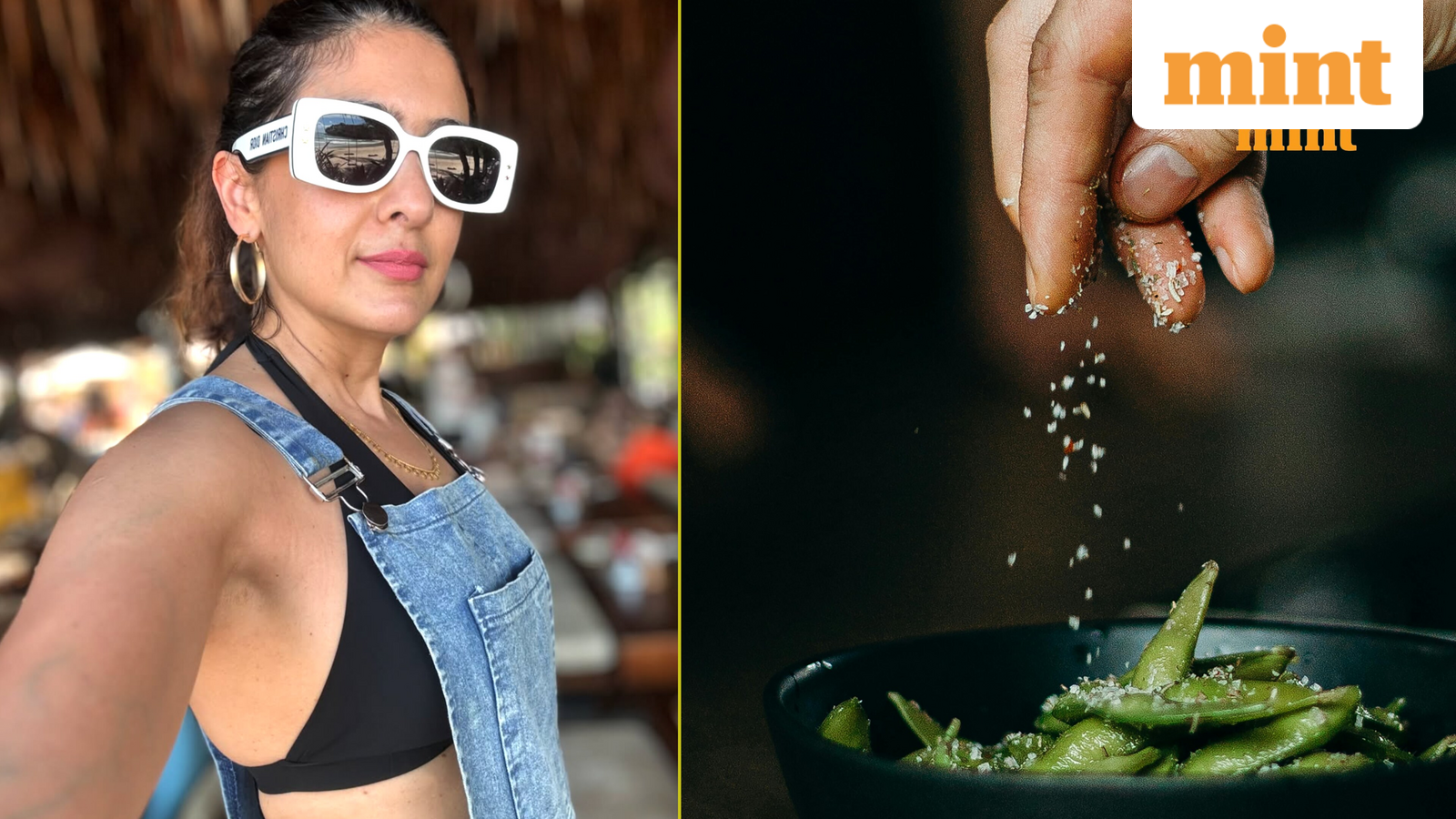
Celebrity nutritionist Pooja Makhija has sparked controversy with her recent statements about salt consumption, drawing sharp criticism from a medical professional at AIIMS. The nutritionist’s claims, made during a YouTube podcast with Raj Shamani, challenge the widely accepted connection between sodium intake and high blood pressure.
Makhija, who has worked with numerous Bollywood celebrities including Alia Bhatt, Kareena Kapoor Khan, Shahid Kapoor, and Hrithik Roshan, argues that sodium has been unfairly demonized. According to her website, she has helped clients lose over 125,000 kilograms collectively throughout her career.
During the podcast, Makhija presented her controversial perspective by referencing emergency medical procedures. “Someone gets a stroke, someone gets a heart attack, or someone just collapsed out of we don’t know what, we rush him in an ambulance. Without talking to any doctors, without knowing medical history, what is the first thing they give? Saline. What is saline? 9000mg of sodium,” she stated.
She further claimed that sodium actually reduces blood pressure, saying, “Why? Because sodium reduces BP. Even for a person who’s got a stroke, they will first give you saline. And, sometimes they do a push, which is two units of saline, which is 18,000 milligrams of sodium.”
Makhija’s argument extends beyond emergency treatment to everyday nutrition. She contends that inadequate salt intake forces kidneys to work harder to reabsorb sodium, triggering a cascade of effects: the brain signals the pancreas to release more insulin, which lowers blood sugar and increases hunger. “Your body requires sodium to restart the water that is being held, the kidneys to filter, and the heart to pump. Sodium is not the culprit. It was demonised so that sugar could shine and diseases could flourish,” she said.
The nutritionist also made comparative claims about how the body processes excess nutrients. “If you have excess salt, it’ll come out in your urine. If you have excess sugar, does it just come out in your urine? It gets stored as fat,” Makhija argued.
Her practical advice includes cooking with iodized salt for thyroid support and adding a small crystal of rock salt to drinking water, especially since modern filtration systems remove natural minerals from water.
However, these claims have not gone unchallenged. Dr. Arihant Jain, Senior Resident in Emergency Medicine and Trauma at AIIMS New Delhi, strongly refuted Makhija’s statements in a detailed comment on the YouTube video.
“The information about salt shared in this video isn’t accurate or evidence-based. Salt is definitely harmful for certain group of individuals,” Dr. Jain wrote. He clarified that medical professionals don’t administer saline to raise sodium levels but rather to replace lost body fluids when clinically necessary. In fact, he noted that heart attack patients often avoid excess fluids as their bodies may already be retaining water.
Dr. Jain also addressed a specific misunderstanding in Makhija’s explanation: “The ‘push’ being discussed refers to a diluted injection of epinephrine (adrenaline), where saline is just the diluting agent — the actual drug being given is epinephrine, not saline.”
The AIIMS doctor pointed to evolving medical practices, noting that recent studies actually prefer Ringer’s lactate solution over normal saline for many emergency situations. He expressed concern about the potential harm such misinformation could cause, particularly for vulnerable populations who might take such advice seriously without understanding their personal risk factors.
This public disagreement highlights the ongoing tension between nutrition trends and established medical science. While nutritionists like Makhija focus on dietary approaches to health, medical professionals emphasize the need for evidence-based recommendations that account for individual medical conditions.
The debate serves as a reminder for consumers to critically evaluate health claims, particularly those that contradict established medical consensus, and to consult healthcare professionals before making significant changes to their diets, especially for those with pre-existing conditions.
Fact Checker
Verify the accuracy of this article using The Disinformation Commission analysis and real-time sources.

10 Comments
The nutritionist’s perspective on sodium’s role in medical emergencies is certainly thought-provoking. However, I imagine the medical community would want to see robust clinical data to support claims that run counter to widely accepted guidelines.
Agreed. While individual anecdotes can be interesting, the medical establishment tends to put more weight on large-scale, peer-reviewed studies when it comes to updating standard practices.
The nutritionist’s claims about sodium reducing blood pressure seem to go against the conventional wisdom. I wonder if there are specific physiological mechanisms she is referring to that could explain this counterintuitive finding.
That’s a good question. If there is credible scientific evidence to support her position, it would be worth exploring further. However, extraordinary claims typically require extraordinary proof in the medical field.
This debate highlights the complexities involved in nutrition and health recommendations. It’s important to consider multiple perspectives, but ultimately decisions should be guided by the preponderance of high-quality, peer-reviewed research.
Well said. While individual experiences and perspectives can provide useful insights, the medical community tends to place the greatest emphasis on large-scale, rigorous studies when updating clinical guidelines.
Interesting debate on salt intake recommendations. It’s always good to see medical professionals engage in constructive dialogue, even if they don’t see eye-to-eye initially. I wonder what the broader scientific consensus is on this topic.
You raise a fair point. There seems to be some conflicting views, so it would be helpful to see a balanced review of the evidence from reputable sources.
As someone interested in health and nutrition, I’m curious to learn more about the scientific evidence on this topic. It’s good to see these issues being debated publicly, as it can help raise awareness and spur further research.
That’s a fair perspective. Healthy debate on medical topics can be valuable, as long as it’s grounded in rigorous science rather than just personal opinions or anecdotes.