


Listen to the article
In a surprising turn of events, Ireland’s recent general election appears unlikely to usher in governmental change despite significant support for left-wing opposition. Sinn Féin secured 19% of the vote, placing it close to the ruling coalition parties Fianna Fáil and Fine Gael, yet remains poised for exclusion from government formation.
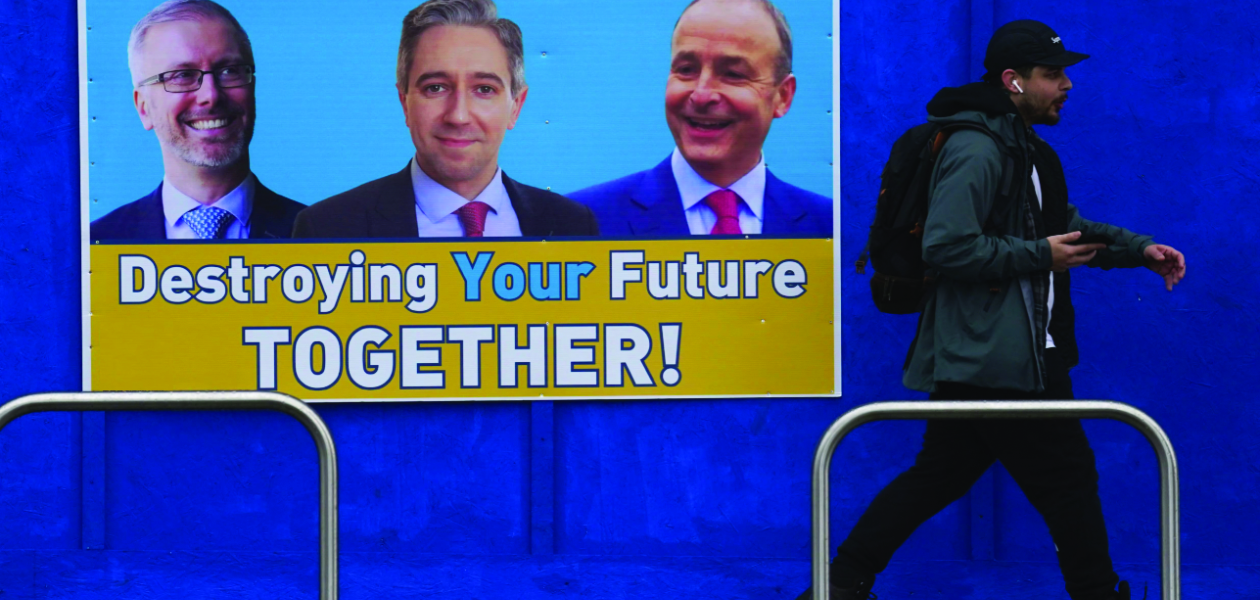
The current coalition, which has openly acknowledged its fundamental policy differences with Sinn Féin, is expected to continue its governing approach. Critics argue this will further deepen Ireland’s housing crisis, continue the erosion of public services through neoliberal policies, and strengthen military alignment with the EU and United States while undermining Ireland’s traditional neutrality.
Ireland employs a proportional representation electoral system with a single transferable vote, designed to ensure elected representatives accurately reflect voter preferences. This meticulous system, while promoting fair representation, requires a lengthy counting process that can extend for days after polling closes.
The nation faces multiple intensifying crises after a century of governance alternating between Fine Gael, Fianna Fáil and their allies. Nearly 15,000 people are now homeless, rental costs have reached unprecedented levels, and emergency accommodation systems are overwhelmed. The healthcare system shows similar strain, with overcrowded emergency departments and reports of patients dying due to treatment delays, while healthcare professionals increasingly emigrate.
Approximately 40% of Irish parents report skipping meals to ensure their children can eat, highlighting the severity of the cost-of-living crisis. These issues, according to analysts, aren’t merely isolated policy failures but structural consequences of a system that prioritizes business interests over public welfare.
While the government has offered voters short-term financial incentives, Sinn Féin has presented comprehensive plans addressing housing, healthcare, and cost-of-living concerns. The party has also criticized Ireland’s foreign policy, particularly regarding U.S. military transit through Irish airspace during operations related to the Gaza conflict.
Fine Gael’s election campaign stumbled following public backlash when Taoiseach (Prime Minister) Simon Harris was criticized for dismissively turning away from a distressed care worker. His team faced accusations of attempting to manipulate media coverage to discredit her, reinforcing perceptions of disconnection between the government and ordinary citizens.
In contrast, Sinn Féin leader Mary Lou McDonald has gained recognition for her more accessible and empathetic approach, creating a stark contrast with Harris and Fianna Fáil leader Micheál Martin. This shifting dynamic is reflected in polling trends, with Fine Gael and Fianna Fáil now commanding approximately 40% of the vote combined—a dramatic decline from their 81.8% combined share in 1982.
Voter turnout fell to just under 60%, the lowest in over a century, indicating widespread disillusionment with Ireland’s parliamentary system. Sinn Féin’s performance was hampered by what supporters describe as a hostile media environment and the rise of far-right anti-immigration sentiment. The party also reportedly faced targeted online campaigns from international sources opposing its positions.
Ireland’s national broadcaster RTÉ has faced particular criticism for alleged bias against Sinn Féin, especially after the party pledged to review the broadcaster’s coverage of the Gaza conflict if elected. This occurred against the backdrop of RTÉ receiving a €750 million government bailout following financial scandals, raising questions about editorial independence.
Despite these challenges, Sinn Féin achieved notable victories. Finance spokesperson Pearse Doherty secured the highest vote count nationwide, while Mairéad Farrell made history as the first woman to top the poll in Galway West. Overall, Sinn Féin led in 14 constituencies and secured more legislative seats than Fine Gael and their former coalition partners, the Greens, combined.
Political analysts suggest the combined 40% of non-participating eligible voters and 20% supporting Sinn Féin indicates a majority opposition to neoliberal policies, potentially signaling a shift in Ireland’s political landscape after a century of two-party dominance.
As counting concludes, attention turns to coalition negotiations that will determine whether Ireland continues its current policy direction or embraces the more progressive agenda championed by opposition parties.
Fact Checker
Verify the accuracy of this article using The Disinformation Commission analysis and real-time sources.

9 Comments
The media’s influence in shaping public perception and preserving the status quo is a concerning trend not just in Ireland, but globally. Diversifying media ownership and sources could help counter this issue.
Interesting development in Irish politics. The low voter turnout is concerning, as it suggests public disengagement. The media’s influence in preserving the status quo is worrying – we need more transparency and diverse voices in the political discourse.
I agree, the media’s role in shaping public opinion is a critical issue. Proportional representation should enable greater representation, but if voter turnout remains low, the system’s benefits may be diminished.
The prolonged vote counting process in Ireland’s electoral system highlights the complexity of ensuring fair representation. While it promotes proportionality, the extended timeline could contribute to public disengagement.
That’s a valid concern. The balance between fair representation and timely results is an ongoing challenge for electoral systems. Improving transparency and public education around the process could help address this.
The power dynamics between the major parties and their differing policy approaches will be fascinating to watch unfold. I wonder how Sinn Féin’s strong showing will influence the political landscape, even if they are excluded from the government.
That’s a good question. Sinn Féin’s significant support could still have an impact, even if they are not in the ruling coalition. Their role as a vocal opposition party may help shape the policy agenda.
The housing crisis and erosion of public services are major concerns that need urgent attention. I hope the next government, regardless of its composition, will prioritize these issues and uphold Ireland’s traditional neutrality.
You raise valid points. Maintaining a balanced foreign policy and investing in public welfare should be key priorities for the new administration.